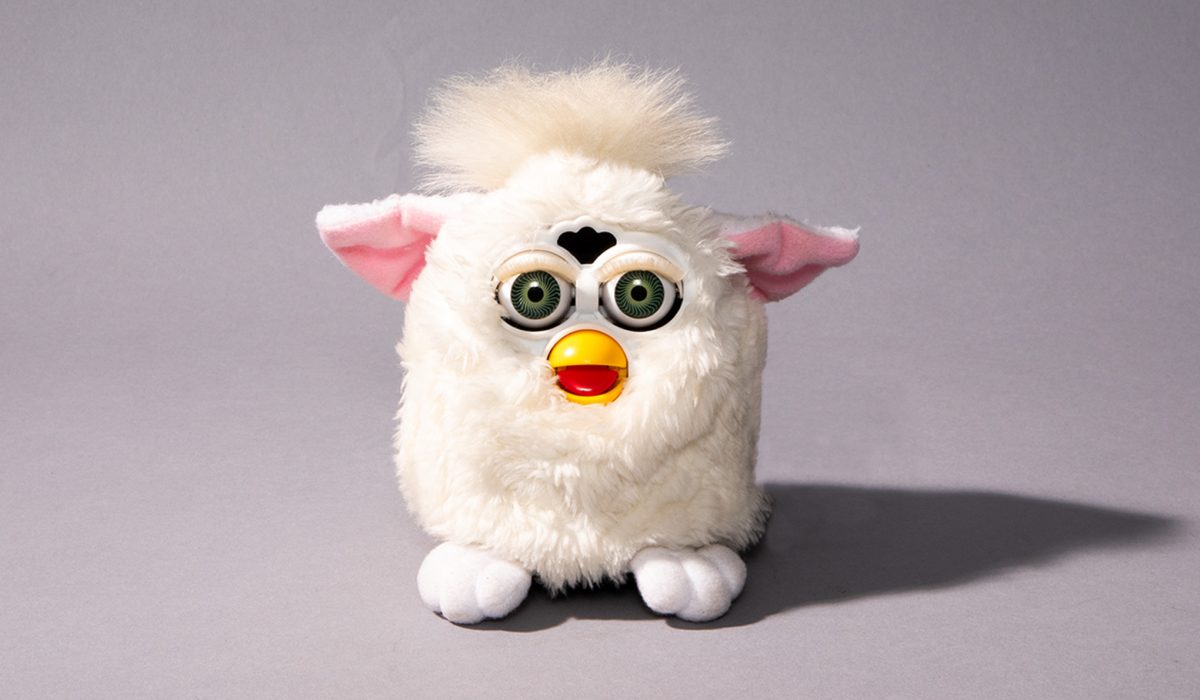
Furby, a unique electronic toy first released in 1998, captured the attention of children and collectors alike with its curious blend of cuteness and eeriness. Though limited in functionality, it created a memorable and lasting impact on toy design and pop culture.
Origins and Concept of Furby
Furby was introduced as an interactive robotic toy that could seemingly “communicate” with its owner. Designed to look like a small furry creature with large, expressive eyes, it combined simple speech capabilities with the illusion of responsiveness to its environment. This novel approach made it stand out in the crowded toy market of the late 1990s.
The toy’s ability to mouth phrases and react to sound and light gave it a presence that felt surprisingly lifelike despite its limited technological sophistication. The creators aimed to foster a sense of companionship, albeit through unconventional and limited interactions.
Why Furby Became a Cultural Sensation
Furby quickly became a must-have item during the holiday season after its release, partially because of its scarcity and partly due to its unique charm. Unlike most toys that relied on complex functions or traditional play patterns, Furby’s appeal was centered around its personality-like behavior, which some found endearing and others unsettling.
This blend of fascination and mild discomfort contributed to its popularity in media, spawning memes and cultural references that persist to this day. Furby was not just a toy but a cultural talking point that intrigued both children and adults.
Technological Limitations and Innovations
Although Furby’s capabilities were fairly basic, it employed some early interactive technologies such as infrared communication with other Furbies and simple audio processing to respond to stimuli. The toy could transition from speaking “Furbish” (its fictional language) to English phrases, which gave the illusion of learning and growth.
These functions, while primitive by today’s standards, marked an important step in advanced toy interactivity, showing how simple robotics and programming could create engaging user experiences even with limited hardware.
Legacy and Modern Reverberations
Over two decades later, Furby remains a notable example of how a toy can achieve cultural significance despite technological constraints. It influenced a generation of interactive toys and remains a collector’s item, occasionally revived or updated to incorporate contemporary tech.
Its legacy also underscores the challenges and opportunities in designing products that engage users emotionally in addition to functionally, a concept increasingly relevant in today’s innovation-driven markets.
The Balance of Cute and Cursed in Toy Design
Furby’s design straddled the line between adorable and eerie, a factor that both intrigued and unsettled many users. This delicate balance has become a reference point in discussions about toy aesthetics and the psychological responses they elicit.
The “cute but cursed” phenomenon seen in Furby illustrates deeper trends in how consumers interact emotionally with non-human products, emphasizing the importance of nuanced design that can appeal across diverse audiences.