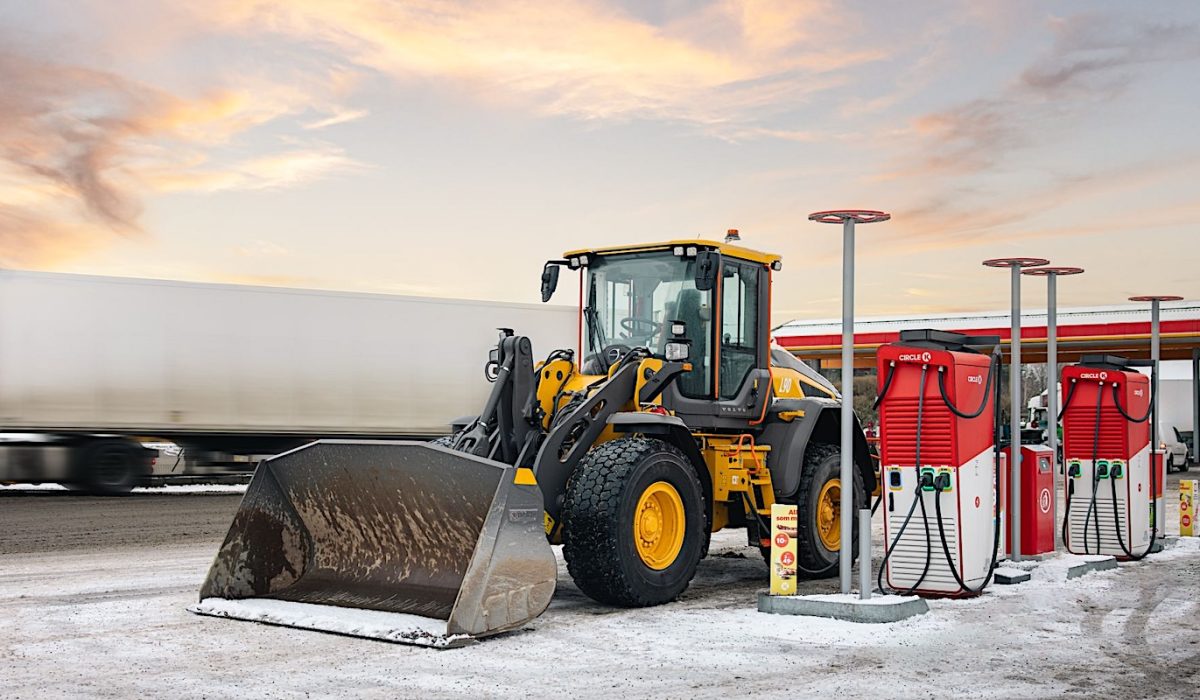
The electrification of heavy machinery is gaining traction across various industries, prompting questions about charging infrastructure for large vehicles like wheel loaders. An image circulating of an electric wheel loader charging at a Circle K station highlights an emerging solution for heavy equipment operators.
Rising Demand for Electrification in Construction and Mining
As sustainability goals become more stringent, construction and mining companies are increasingly adopting electric heavy machinery to reduce emissions onsite. Traditional diesel-powered equipment is being replaced by electric alternatives to meet climate commitments and improve local air quality.
However, the transition requires robust charging solutions that can accommodate the large batteries and high energy demands of such equipment. This has sparked innovations in charging infrastructure tailored to heavy-duty vehicles.
Leveraging Existing Fuel and Charging Networks
The recent instance of an electric wheel loader charging at a Circle K station illustrates how existing fuel stations are adapting to serve electric heavy equipment. Many stations have begun installing high-capacity fast chargers capable of servicing large vehicles beyond passenger cars.
Utilizing familiar fueling spots reduces logistical challenges for operators and accelerates the adoption of electric machinery by making charging more accessible at or near job sites.
Technical Challenges and Solutions for Heavy Equipment Charging
Charging a wheel loader involves managing significant power requirements and ensuring safety protocols due to the size and load of the machinery. Fast-charging technologies and high-voltage connectors are being developed to minimize downtime and maintain operational efficiency.
Additionally, smart grid integrations and battery management systems help optimize energy use and reduce strain on public electricity infrastructure during peak demand periods.
The Future of Heavy Equipment Electrification
As more heavy machinery goes electric, widespread availability of charging stations like the one at Circle K will become essential. Industry stakeholders are exploring partnerships between equipment manufacturers, utility providers, and charging network operators to expand infrastructure rapidly.
This progress is expected to transform construction and industrial operations with cleaner, quieter, and more efficient equipment, supporting broader sustainability efforts across sectors.