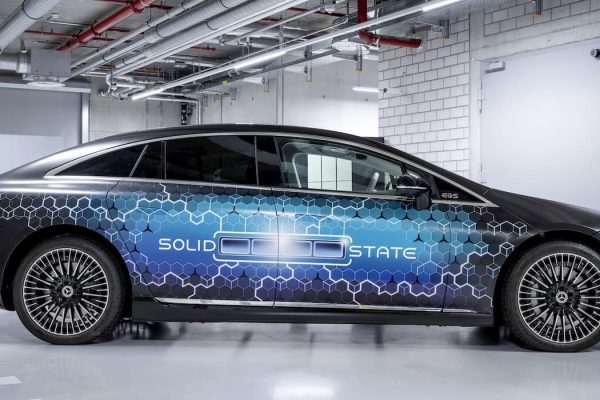

Recent developments in electric vehicle (EV) battery technology have brought renewed attention to solid-state batteries, with Donut Labs’ prototype undergoing significant testing. Meanwhile, Tesla faces internal shifts as a notable engineer resigns, raising questions about the company’s current trajectory in battery and solar technology.
Testing of Donut Solid-State Batteries Reveals Key Challenges
Donut Labs has recently advanced public testing of its solid-state battery technology, which promises higher energy density and improved safety compared to conventional lithium-ion batteries. However, early test results underscore that the technology is still in its infancy, with performance and durability hurdles yet to be overcome.
Solid-state batteries replace the liquid electrolyte used in traditional batteries with a solid material, potentially enabling faster charging times and longer battery life. Despite this, scaling the technology for mass production remains a critical barrier that Donut Labs and other innovators must address before widespread adoption can occur.
Tesla Engineer Resignation Sparks Speculation on Company Direction
A prominent Tesla engineer has recently left the company, coinciding with increasing scrutiny of Tesla’s technology roadmap and execution. Industry observers speculate that this departure may reflect internal disagreements or challenges related to battery development and solar integration efforts.
While Tesla continues to push the boundaries of EV and energy storage technology, recent events highlight the intense pressure faced by key technical personnel. The company’s ability to retain talent will likely influence its capacity to innovate and maintain leadership in the competitive EV marketplace.
Solar Energy Value Remains a Focus for Renewable Integration
In addition to battery advancements, the evolving economics of solar power continue to shape energy strategies for auto manufacturers and consumers alike. Solar technology complements battery storage by providing clean electricity, enhancing the overall sustainability of EV ecosystems.
However, the value derived from solar installations depends on effective integration with storage solutions and grid management, areas still under active development. Industry stakeholders are watching closely as innovations in these fields may determine the future viability of comprehensive renewable energy adoption.
Industry Perspectives on the Future of Solid-State Batteries
Experts emphasize that while solid-state batteries represent a promising leap forward, current prototypes are far from ready to replace established lithium-ion technology. The path to commercialization requires solving critical issues related to materials stability, manufacturing costs, and long-term reliability.
Companies like Donut Labs remain hopeful that ongoing research and testing will deliver breakthroughs. The industry’s collective success will depend on collaborative efforts across research institutions, manufacturers, and the evolving supply chain to bring these next-generation batteries to market.
Conclusion: A Long Road Ahead for Battery Breakthroughs
The recent developments surrounding Donut Labs’ battery tests and Tesla’s shifting personnel highlight the complexities involved in advancing EV technology. While the promise of solid-state batteries is substantial, stakeholders must temper expectations with the reality of current technical and production challenges.
As companies continue research and real-world testing, the future of battery innovation remains dynamic but uncertain, demanding sustained investment and patience from both industry and consumers alike.