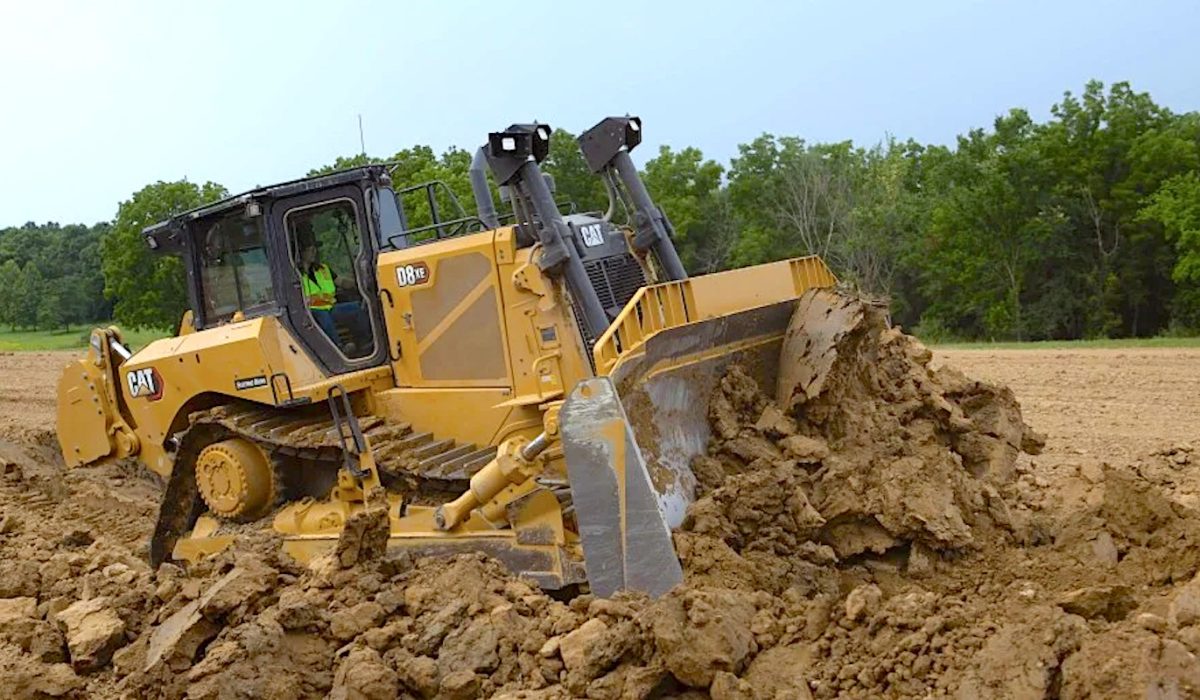
Caterpillar has introduced its newest and heaviest tracked electric drive dozer, integrating diesel-electric technology inspired by designs over a century old. The combination aims to deliver remarkable efficiency and high torque for heavy-duty construction tasks.
Reviving Proven Diesel-Electric Technology
The diesel-electric concept, widely known for its use in locomotives, relies on diesel engines operating generators that supply power to electric motors. This configuration offers consistent performance with efficient torque delivery, a design that has endured in railroad applications for decades.
Caterpillar has adapted this tradition into its latest dozer model, intending to bring similar benefits to construction machinery. The approach allows the machine to handle demanding terrain and heavy loads while potentially reducing fuel consumption and emissions compared to conventional purely mechanical drivetrains.
Design and Engineering Advantages
Integrating diesel-electric powertrains in tracked dozers introduces several engineering advantages. The electric motors provide immediate torque without the lag typically associated with mechanical transmission systems, improving responsiveness in the field.
This setup also allows for refined control over power distribution, enhancing the machine’s ability to navigate difficult or uneven work sites. Additionally, the modular nature of electric components could simplify maintenance and reduce downtime.
Efficiency Improvements and Environmental Impact
The combination of modern diesel engines and electric drive technology promises significant efficiency gains. By optimizing engine operation to run at steady rpm ranges feeding electric motors, fuel efficiency can be improved over traditional direct-drive systems.
Reduced fuel consumption not only lowers operational costs but also diminishes the carbon footprint of heavy machinery. This aligns with broader industry trends toward sustainability and cleaner construction equipment.
Implications for the Construction Industry
Caterpillar’s deployment of this technology reflects an evolving focus on innovation in heavy equipment. The ability to deliver robust power with improved efficiency could set new standards for dozers and other tracked vehicles.
If successful, this approach might encourage wider adoption of diesel-electric systems in construction machinery, balancing power needs with environmental and economic considerations.
Future Prospects and Developments
While the current model showcases the potential of diesel-electric drives in dozers, further advancements in battery technology and hybrid systems may complement or eventually supersede this setup.
Caterpillar’s innovation signals a stepping stone towards increasingly electrified and efficient heavy machinery, with continued investment in research likely to yield even more effective solutions in the near future.