
The US Energy Information Administration (EIA) has forecasted a significant surge in renewable energy capacity in 2026, driven by solar, wind, and battery storage projects. This growth marks a crucial step toward increasing the share of clean energy in the national grid, according to recent data analysis.
Projected Growth in Renewable Energy Capacity
Data released by the EIA indicates that overall renewable energy capacity will increase by 62% in 2026 compared to 2025. This expansion is mainly attributed to new solar and wind installations, as well as the deployment of additional battery storage systems.
The substantial rise ensures that renewable sources will account for nearly all of the net new generating capacity being added to the energy mix in the upcoming year, underscoring a clear trend away from fossil fuel generation.
Role of Solar Power in the Capacity Expansion
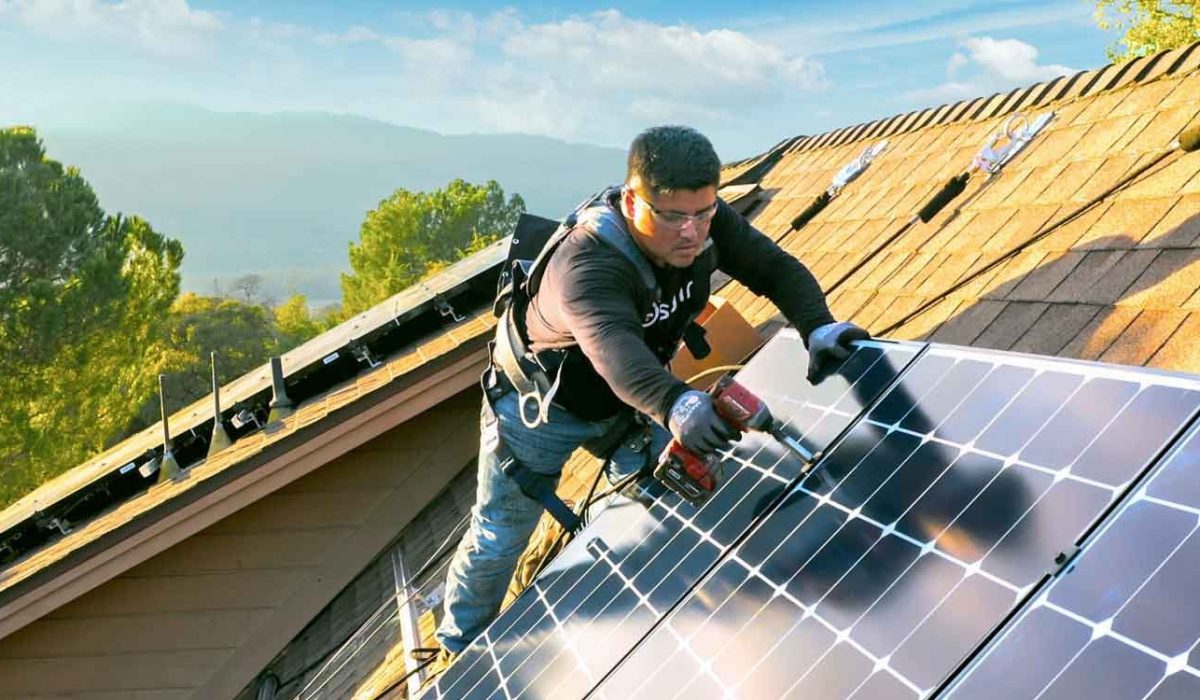
Solar energy continues to be a dominant driver of renewable growth. The EIA data shows that solar installations will significantly contribute to the increased capacity, facilitated by declining costs and supportive federal policies.
Utility-scale solar projects, in particular, are expected to lead the expansion, while residential solar growth remains steady due to increasing adoption of rooftop systems.
Wind Energy’s Contribution to Renewable Growth
Wind power also plays a major role in the forecasted growth. Both onshore and offshore wind projects are anticipated to come online in greater numbers, bolstered by advancements in turbine technology and expanding transmission infrastructure.
Offshore wind development, especially, is gaining momentum due to its high capacity factors and suitability for meeting coastal energy demand.
Increasing Importance of Battery Storage
Battery storage capacity is set to rise significantly, enabling greater integration of intermittent renewable energy into the grid. The expansions in storage will help to balance supply and demand, improve grid reliability, and facilitate the shift to cleaner energy.
Enhanced storage technologies and decreasing costs are making battery projects more economically viable, encouraging investment across different regions.
Implications for US Energy Policy and Climate Goals
This projected surge in renewable capacity aligns with US climate objectives aimed at reducing greenhouse gas emissions and transitioning to a low-carbon energy system.
The data indicates growing momentum behind clean energy technologies, which could help the country meet its commitments under international climate agreements and foster economic opportunities in emerging energy sectors.