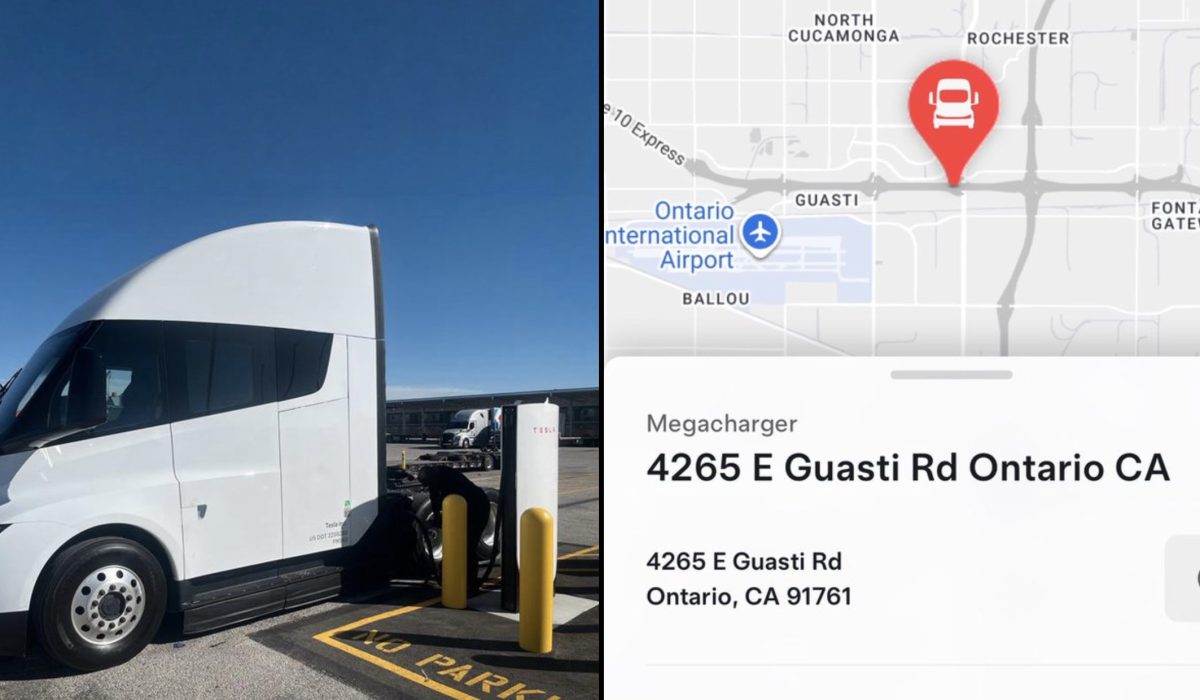
Tesla has officially opened its first Megacharger station dedicated to its Semi electric trucks in Ontario, California. This milestone marks the beginning of what is expected to be a nationwide network aimed at supporting Tesla’s freight customers.
First Megacharger Station Unveiled
The new Megacharger station in Ontario, California, is the first publicly available facility built specifically to serve Tesla Semi vehicles. The station features multiple high-capacity chargers designed to deliver the fast charging necessary for large electric trucks, reducing downtime for freight operators.
This launch is a crucial development as Tesla continues its push into the commercial trucking market with its Semi model. The availability of dedicated charging infrastructure is expected to alleviate range anxiety and increase adoption among fleet operators.
Scaling Up Semi Production
Tesla’s Semi production is ramping up at the company’s dedicated factory in Nevada. With production accelerating, the company is preparing to meet anticipated demand from commercial customers who are eager to transition to cleaner transportation options.
The operational Megacharger station complements the increased manufacturing output, offering customers immediate support for charging needs and highlighting Tesla’s integrated approach to electric truck deployment.
Expanding Megacharger Network Plans
Tesla plans to expand its Megacharger network aggressively, aiming for a total of 66 stations across the United States. These stations will be strategically located to support long-haul routes and key freight corridors, improving logistical efficiency for truck operators.
The expansion is part of Tesla’s broader strategy to influence the heavy-duty trucking industry and reduce carbon emissions via electrification, providing infrastructure that makes electric trucks more viable for commercial use.
Impact on the Electric Truck Market
The introduction of the first Megacharger station signals increasing maturity in the electric trucking sector. By addressing one of the key challenges for electric trucks—charging infrastructure—Tesla is positioning itself as a leader in commercial EV technology.
This infrastructure development could also prompt other manufacturers and logistics companies to accelerate their own electric vehicle initiatives, potentially reshaping freight transportation towards sustainability.
Looking Ahead
As Tesla continues to build out its network and increase Semi production, the company is setting a precedent for the future of electric trucking. The success of the Megacharger rollout may serve as a model for similar infrastructure deployments worldwide.
Future developments will likely focus on enhancing charger speeds, increasing station coverage, and integrating renewable energy sources, further supporting Tesla’s vision for an electrified transport industry.