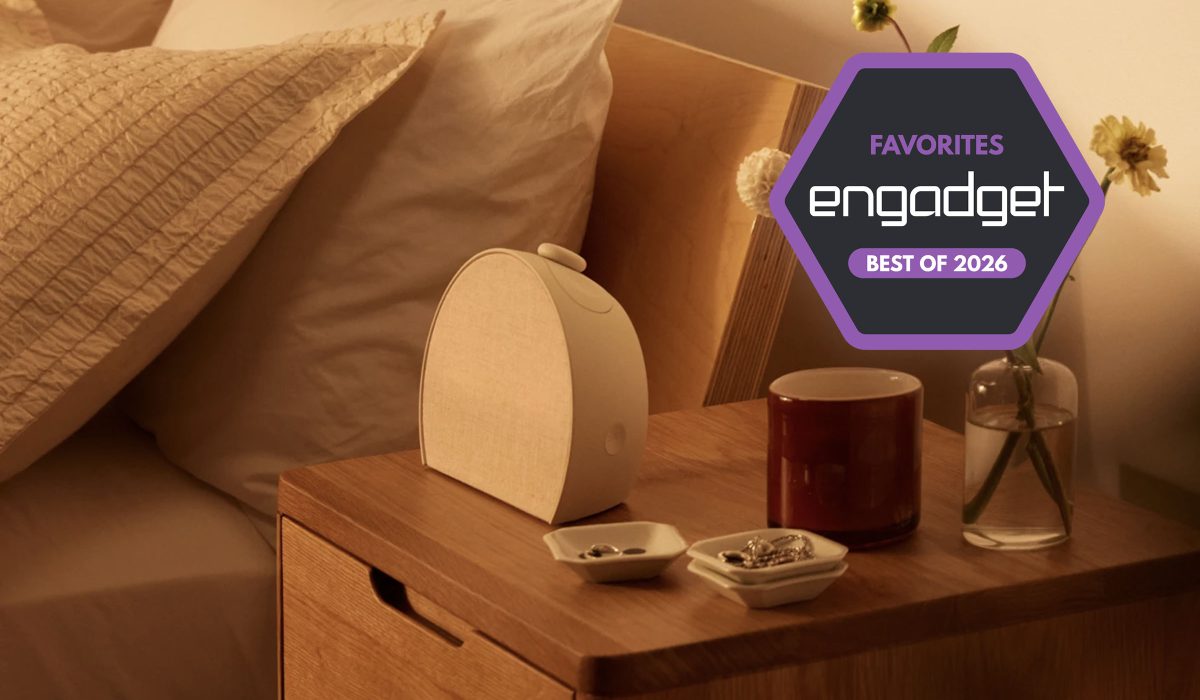
As technology often contributes to poor sleep habits, a growing number of apps and gadgets have emerged to improve sleep quality. These tools combine advanced features and user-friendly designs to help users establish better sleep routines and improve their overall rest.
Understanding the Role of Technology in Sleep
Technology is frequently criticized for disrupting sleep due to blue light exposure and constant notifications that keep users engaged. However, recent innovations in sleep technology aim to counter these negative effects by providing supportive environments for rest.
Many devices and applications use data tracking, personalized recommendations, and soothing stimuli to promote relaxation and help users fall asleep faster. The key to effective use lies in balancing technology use with mindful habits to avoid overexposure to screens before bedtime.
Top Sleep Apps to Enhance Your Routine
Sleep apps have become popular tools for managing sleep schedules and improving sleep quality. Apps that offer features such as smart alarms, sleep tracking, and guided meditation have shown positive impacts in helping users maintain consistent sleep.
Some apps integrate with wearable devices, gathering data on sleep stages, movement, and heart rate. This data allows for tailored advice and progress tracking, making it easier to establish healthier patterns over time.
Innovative Sleep Gadgets for Better Rest
Beyond software, several gadgets are designed to enhance sleep through environmental control and biofeedback. Devices like smart mattresses, white noise machines, and light-based alarm clocks adjust to user preferences to foster an optimal sleep setting.
Other gadgets monitor vital signs such as breathing and heart rate to provide insights into sleep quality and identify disruptions. These insights can be crucial for users seeking to address specific sleep problems or improve restful periods.
The Importance of Consistent Sleep Schedules
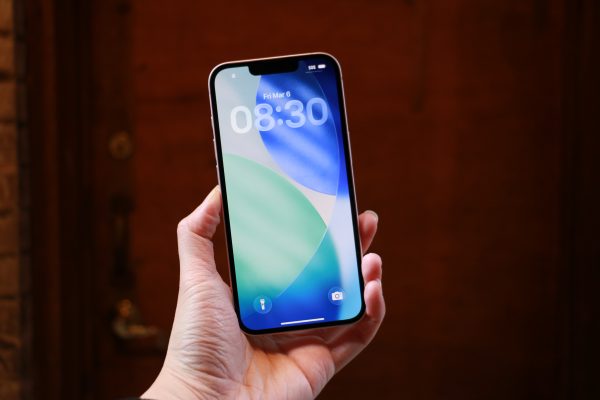
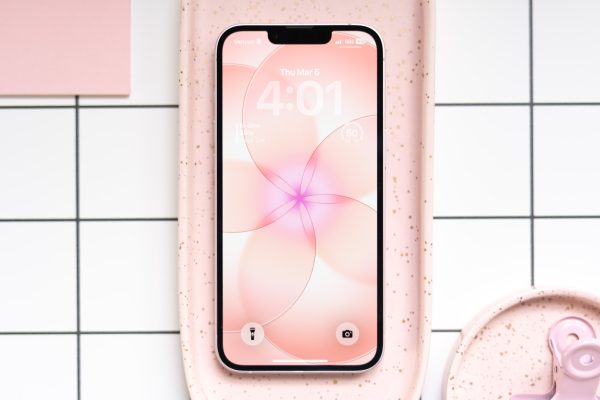
Most sleep experts emphasize the importance of maintaining a regular sleep schedule. Both Android and iPhone devices now feature integrated tools that help users set and adhere to customized sleep times.
These built-in features encourage habits like winding down at a consistent time and limiting screen exposure before bed, which can contribute significantly to better sleep hygiene and overall health.
Looking Forward: The Future of Sleep Technology
As interest in health and wellness grows, so does the development of next-generation sleep technology. Emerging trends suggest more personalized, adaptive solutions that integrate artificial intelligence and advanced sensors.
Future devices may offer real-time adjustments to sleeping conditions, deeper analysis of sleep patterns, and even predictive alerts for potential health issues related to sleep. As these innovations evolve, they hold promise for transforming how people achieve restorative rest.