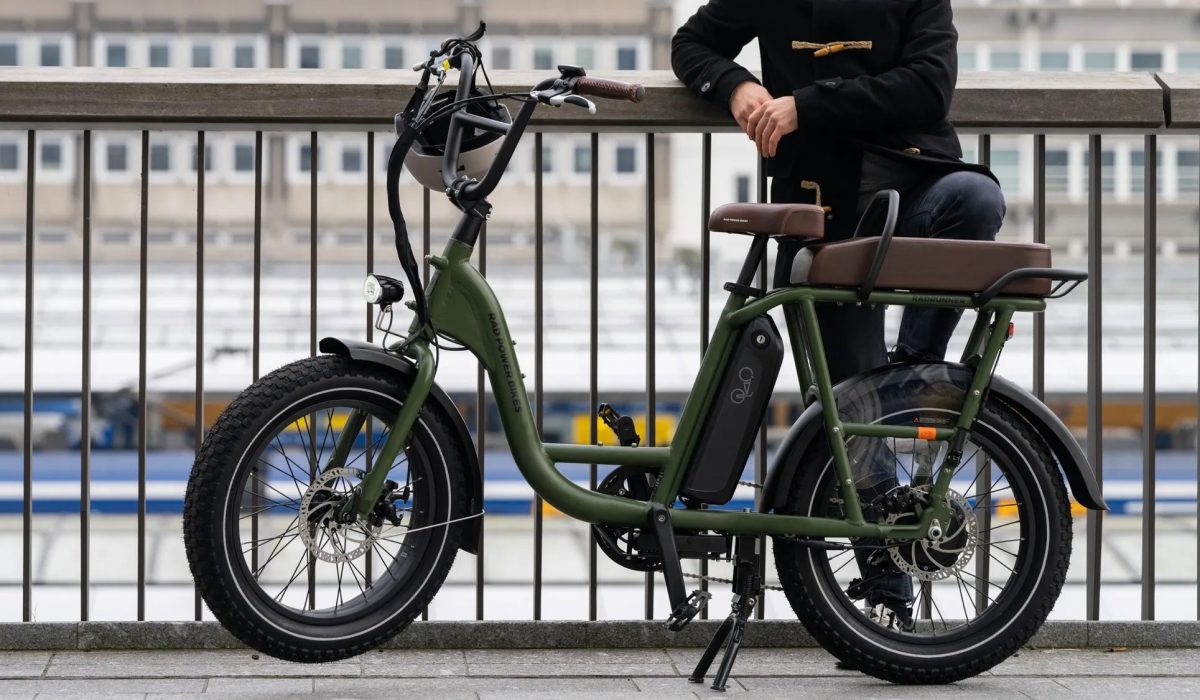
Rad Power Bikes, recently acquired following bankruptcy, has announced intentions to begin manufacturing its electric bikes in the United States. This move signals a potential shift in the e-bike industry, which has historically relied heavily on overseas production. However, industry analysts and insiders note several complexities that could affect the realization of this goal.
Background of Rad Power Bikes’ Ownership Change
Rad Power Bikes went through financial challenges that culminated in bankruptcy before securing new ownership. The new owners have expressed commitment to reviving the brand and steering it toward a more sustainable and domestic manufacturing approach. This strategy reflects a broader consumer demand for American-made products and transparency in supply chains.
The announcement is positioned as part of a rebirth for Rad Power Bikes, intending to restore consumer confidence and reestablish market presence. The company’s leadership claims that producing e-bikes in the U.S. aligns with their vision for quality control and agility in responding to market trends.
Industry Complexity in Domestic E-Bike Manufacturing
While the idea of building e-bikes domestically holds appeal, the industry faces significant challenges such as sourcing components, labor costs, and production scale. Most e-bike components, including batteries and motors, are currently manufactured in Asia, where supply chains have been optimized over many years.
Transitioning production to the United States requires overcoming logistical hurdles and building new manufacturing infrastructure. This increases upfront costs and can affect pricing competitiveness compared to established overseas manufacturing hubs.
Benefits and Challenges of Local Production
Producing e-bikes in the U.S. could enhance quality control, reduce supply chain vulnerabilities, and improve lead times. Additionally, it may boost local economies and appeal to customers focused on domestic manufacturing ethics.
However, challenges such as workforce skill development and scaling production to meet demand remain significant. The cost implications might also affect retail pricing and profitability, particularly in a competitive market segment dominated by low-cost imports.
Historical Attempts and Market Realities
This is not the first time Rad Power Bikes or similar companies have promised U.S.-based manufacturing. Past announcements have sometimes met delays or adjustments due to practical constraints. Industry watchers caution that while intentions are clear, execution will require time and significant investment.
The competitive landscape of the e-bike market, influenced by global supply chain efficiencies and price sensitivity, means companies must carefully balance ambition with operational realities.
Outlook for Rad Power Bikes and U.S. E-Bike Manufacturing
If Rad Power Bikes successfully establishes domestic production, it may set a precedent for others in the industry. It could potentially shift some manufacturing strategies within the broader electric mobility sector in the U.S.
However, the company’s ability to manage cost structures, supply chain integration, and scale will be critical. Stakeholders, including consumers and industry experts, will be watching closely to see if these promises materialize into tangible products made on American soil.