
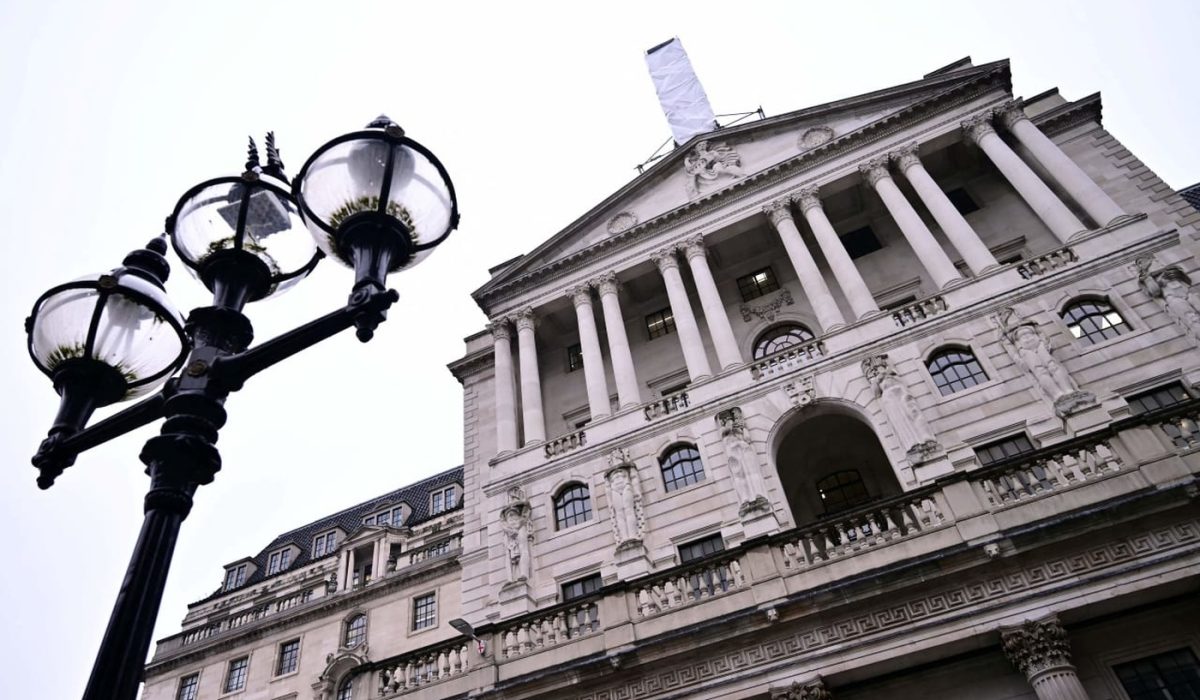
U.K. government bond yields have experienced a notable surge following recent geopolitical tensions in the Middle East, with investors reacting to rising oil prices and anticipated inflationary pressures. This development has raised expectations that the Bank of England may respond with interest rate hikes.
Impact of Iran Attack on Global Oil Prices
The recent attack near Iran has contributed to heightened geopolitical risks, leading to a sharp increase in global oil prices. As oil is a critical energy source worldwide, any potential disruption in supply lines often results in investor concerns about inflation and economic instability.
Investors typically react to such geopolitical events by adjusting their portfolios to mitigate risks, which in this case has resulted in increased yields on government bonds, particularly in economies sensitive to energy price fluctuations.
Why U.K. Bonds Are More Affected Than Others
The U.K. government bond market has been hit harder compared to other nations following the attack, largely because Britain is seen as vulnerable to inflation fueled by rising energy costs. The country imports a significant portion of its energy, making it susceptible to price shocks in the oil markets.
Consequently, investors have priced in the possibility of the Bank of England accelerating interest rate increases to combat mounting inflation, pushing yields higher to adjust for anticipated tighter monetary policy.
Inflation Expectations and Monetary Policy Implications
Higher oil prices often translate directly into increased inflation, as energy costs feed through into production and transportation expenses. For the U.K., investors predict these inflationary pressures will compel the Bank of England to maintain or elevate its rate hike trajectory.
Such expectations have a direct effect on bond yields, as investors demand higher returns to offset potential losses from rising interest rates. This dynamic is a central factor behind the sharp rise in U.K. government bond yields.
Investor Sentiment and Market Volatility
Heightened geopolitical risks and inflation fears generally contribute to greater market volatility. In the case of U.K. bonds, uncertainty around the timing and magnitude of future rate hikes has increased risk premiums demanded by bondholders.
This shift in investor sentiment may lead to further fluctuations in bond yields as markets continue to evaluate geopolitical developments and economic data related to inflation and monetary policy.
Outlook for U.K. Financial Markets
Going forward, the U.K. bond market will remain sensitive to global energy prices and geopolitical events. Monitoring inflation trends and the Bank of England’s policy decisions will be crucial for investors seeking to navigate the evolving landscape.
Financial markets in the U.K. may also be influenced by broader global economic conditions, especially if oil prices stabilize or escalate further, which will likely shape the trajectory of bond yields and investment strategies.