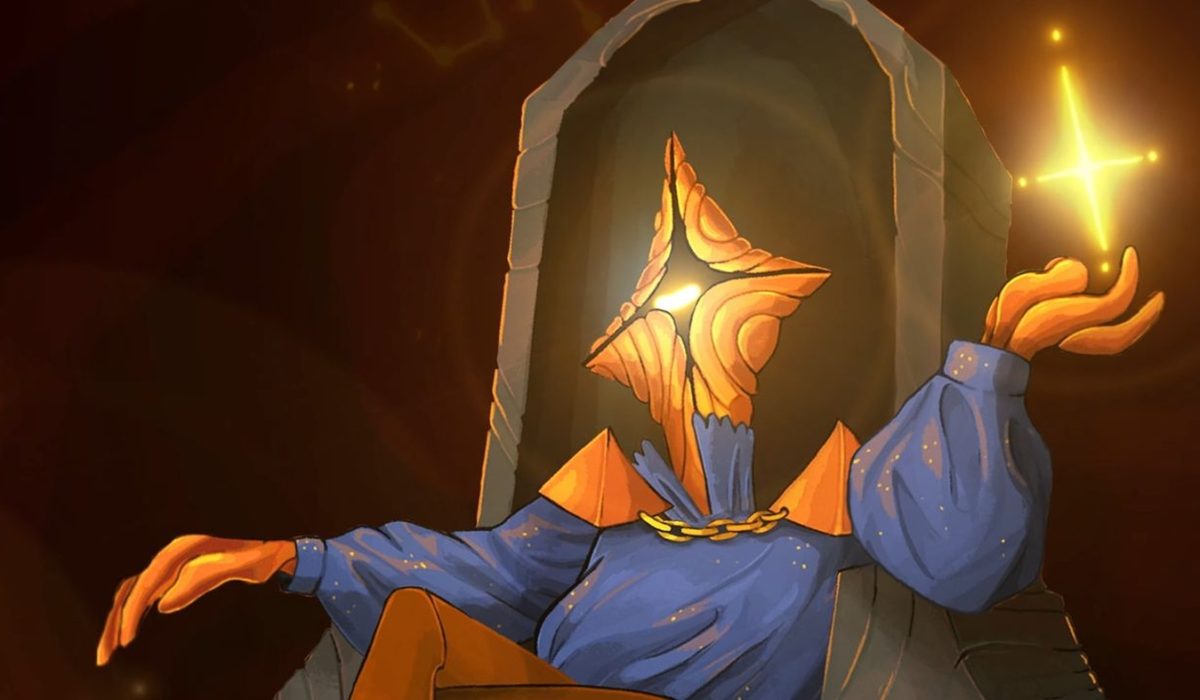
The developer of Slay the Spire 2, Mega Crit, has openly opposed implementing microtransactions in their upcoming game, even though many players have expressed willingness to purchase cosmetic items. This stance highlights a commitment to maintaining a fair gaming experience without relying on in-game purchases.
Developer’s Stance Against Microtransactions
Mega Crit has made it clear that they do not want microtransactions to be part of Slay the Spire 2’s business model. Despite the potential for generating ongoing revenue through cosmetic sales, the developers prioritize a gameplay experience free from monetization pressures.
The team expressed concerns that microtransactions could detract from the game’s integrity, potentially upsetting the player balance and the overall enjoyment of the roguelike card game that made the original Slay the Spire so popular.
Player Willingness to Support Cosmetic Purchases
Contrary to the developer’s reservations, many players have indicated a strong interest in buying cosmetic content if it were available. Some members of the community have jokingly threatened to purchase every available cosmetic item, showing support for the studio while craving new personalization options.
This enthusiasm highlights a desire among the fanbase for ways to support the developer financially beyond the initial purchase, specifically through optional cosmetic content that does not affect gameplay.
Maintaining Game Integrity and Player Trust
Mega Crit’s refusal to adopt microtransactions aligns with a growing concern in the gaming industry regarding pay-to-win mechanics and exploitative monetization. By avoiding microtransactions, the studio aims to preserve player trust and ensure that their game remains skill-based rather than purchase-dependent.
This approach can cultivate a dedicated and loyal player community, prioritizing the experience and satisfaction of fans above short-term financial gain.
Potential Alternatives to Monetization
While rejecting microtransactions, Mega Crit may explore other revenue models such as expansions, DLC, or one-time cosmetic packs that players can purchase upfront. Such alternatives could provide additional content without fragmenting the player base.
The studio’s approach could influence other developers in the roguelike and card game genres to carefully consider the impact of monetization choices on their communities and game longevity.