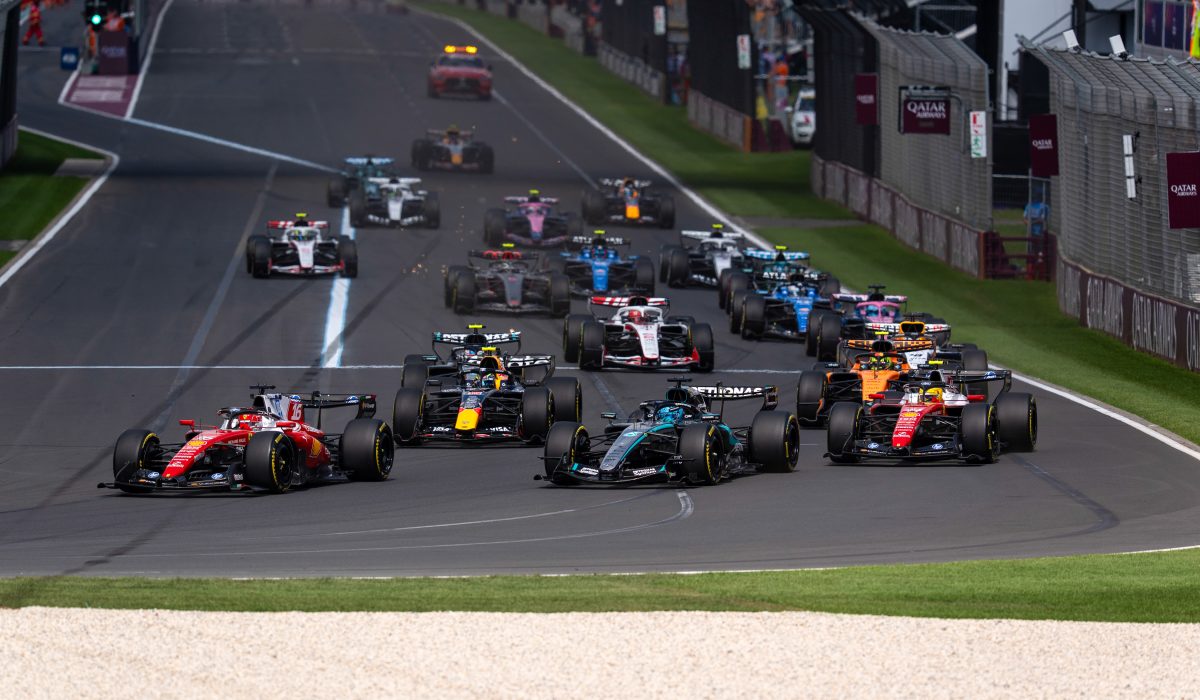
The 2026 Australian Grand Prix marks a pivotal moment for Formula 1 as it debuts a new style of racing centered around energy conservation and reliability. This shift presents fresh challenges for teams and drivers, fundamentally altering race strategies and on-track dynamics.
Energy Conservation as a Core Strategy
One of the standout features of the 2026 season is an increased emphasis on managing energy across each lap. Drivers must carefully balance speed and efficiency, making sure they do not deplete their available energy reserves prematurely. This new approach demands precision and adaptability, forcing teams to rethink traditional racing tactics.
Energy management requires not only careful throttle control but also tactical usage of power units, regenerative braking systems, and other hybrid technologies. The constant game of optimizing energy usage could lead to more varied race outcomes and unexpected leaderboards.
Reliability Takes Center Stage
Alongside energy management, reliability has become more critical than ever. The complex hybrid powertrains and energy recovery systems used in the 2026 cars increase the mechanical and electronic strain experienced during a Grand Prix weekend. Any technical failure now risks compromising a driver’s race performance or leading to early retirement from the event.
Teams have responded by bolstering their engineering efforts to ensure components can endure the increased operational demands. This focus on longevity is reshaping development priorities and could influence in-season upgrades and testing.
Impact on Driving Styles
With new energy rules in place, drivers are adapting their usual driving styles. Aggressive throttle inputs and heavy braking are replaced by smoother, calculated inputs to maximize energy recuperation and reduce unnecessary consumption. This change may also affect overtaking strategies and tyre management as energy usage intertwines with overall race craft.
Some drivers have embraced these challenges faster than others, which could create interesting rivalries and surprises throughout the season. The ability to master energy conservation alongside traditional racing skills is now a defining factor for success.
Technical Innovations Supporting the Shift
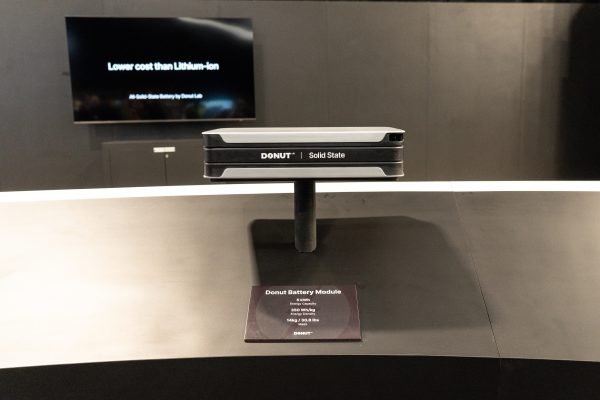
The 2026 regulations have spurred manufacturers to develop advanced hybrid systems and energy storage technologies. Innovations include more efficient electric motors, improved battery management systems, and enhanced regenerative braking mechanisms. These advancements not only improve lap-to-lap performance but also contribute to sustainability goals.
The interplay of these technologies makes Formula 1 a testbed for cutting-edge automotive innovation, with lessons learned potentially filtering down to commercial electric vehicle designs in the future.
Fan Experience and Race Dynamics
The introduction of energy conservation strategies promises to add a new layer of complexity that could make races more unpredictable and engaging for fans. The variability in energy management might lead to fluctuating race positions, strategic pit stops, and surprise outcomes.
Broadcasters and commentators will have additional material to analyze and communicate, potentially enhancing the viewer experience by highlighting how teams and drivers navigate these technical challenges lap by lap.