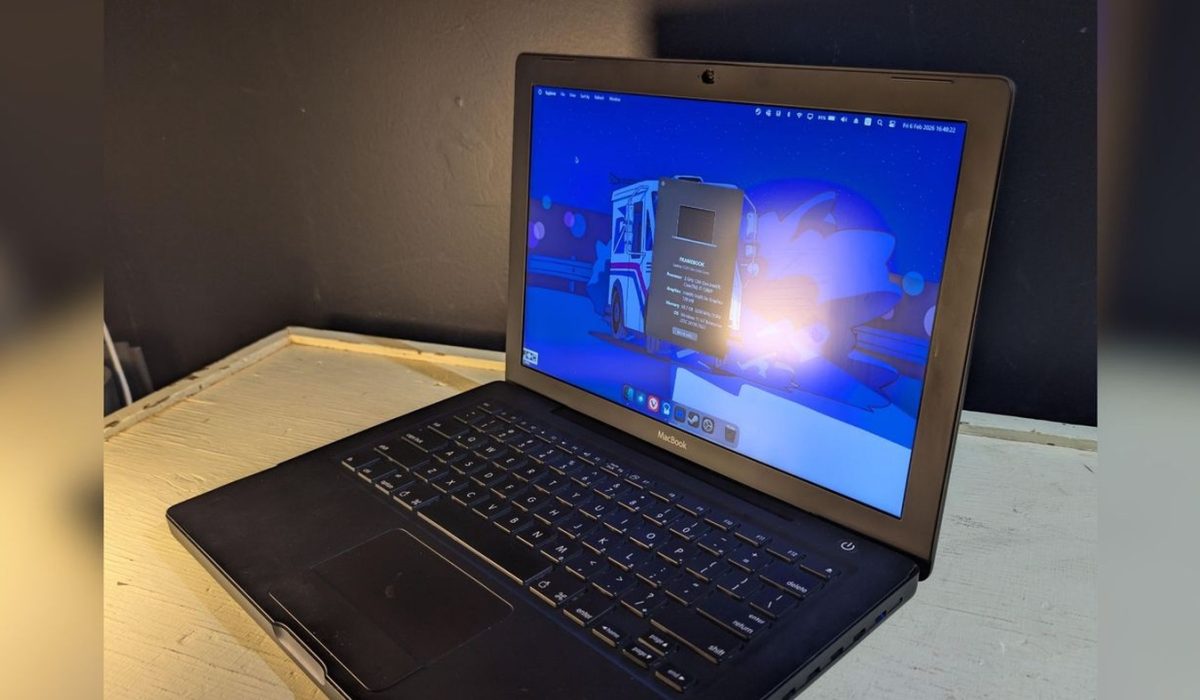
A maker has ingeniously merged old and new technology by installing a Framework laptop’s modular components inside a 2006 MacBook chassis, offering a novel take on sustainable computing and e-waste reduction.
Innovative Approach to Vintage Laptop Restoration
Rather than discarding an aging 2006 MacBook, the creator dismantled the device and repurposed its outer shell to house a modern Framework laptop’s parts. This unusual upgrade blends the iconic aesthetics of the original MacBook with the superior functionality and repairability of the Framework system. The customization is not seamless but represents a thoughtful and creative way to extend the life of an older device.
By performing this hardware swap, the maker retains the classic MacBook’s nostalgic appeal while benefiting from a modular laptop design praised for easy repairs and component upgrades. This hybrid is described as “only a little bit janky,” acknowledging the challenges of fitting new parts into a chassis not designed for them.
Addressing Electronic Waste Through Hardware Creativity
This project exemplifies a hands-on strategy to curbing e-waste by refurbishing and reusing existing technology in inventive ways. Instead of contributing to the growing global problem of discarded electronics, this approach gives new purpose to otherwise obsolete devices.
Framework laptops are known for encouraging sustainable consumer behavior by supporting upgrades and repairs over replacements. Integrating such modern, modular components inside older laptops resonates with environmental advocates and tech enthusiasts alike, demonstrating how creativity can promote sustainability.
Challenges and Limitations of Hybrid Laptop Builds
While the concept is compelling, there are practical challenges to combining components from different eras and designs. Ensuring compatibility, fitting modern hardware into restricted spaces, and managing cooling and power requirements are significant hurdles. These factors may explain the slight “jankiness” observed in the final build.
Such projects also highlight the limitations of non-standard modifications. Users should expect some trade-offs in performance, ergonomics, and long-term reliability compared to purpose-built devices. Nonetheless, the experiment serves as proof of concept for hardware hacking enthusiasts.
Potential Impact on Future Sustainable Tech Designs
Innovations like this may inspire manufacturers and consumers to rethink how laptops and other electronics evolve. Emphasizing modularity, repairability, and adaptive use of legacy parts could become more prominent in combating the rapid obsolescence cycle prevalent in consumer electronics.
As the awareness around e-waste grows, projects that merge classic form factors with modern, durable hardware could gain traction as a niche but meaningful movement within tech culture.
Community Response and Broader Implications
Tech enthusiasts and environmental advocates have shown interest in such creative hardware projects, praising the initiative for highlighting issues of sustainability in electronics. Sharing these builds sparks conversations about designing future devices with longevity in mind.
This demonstration underscores the importance of open, modular design philosophies as a countermeasure to the disposable nature of many modern gadgets, promoting a more circular electronics economy.