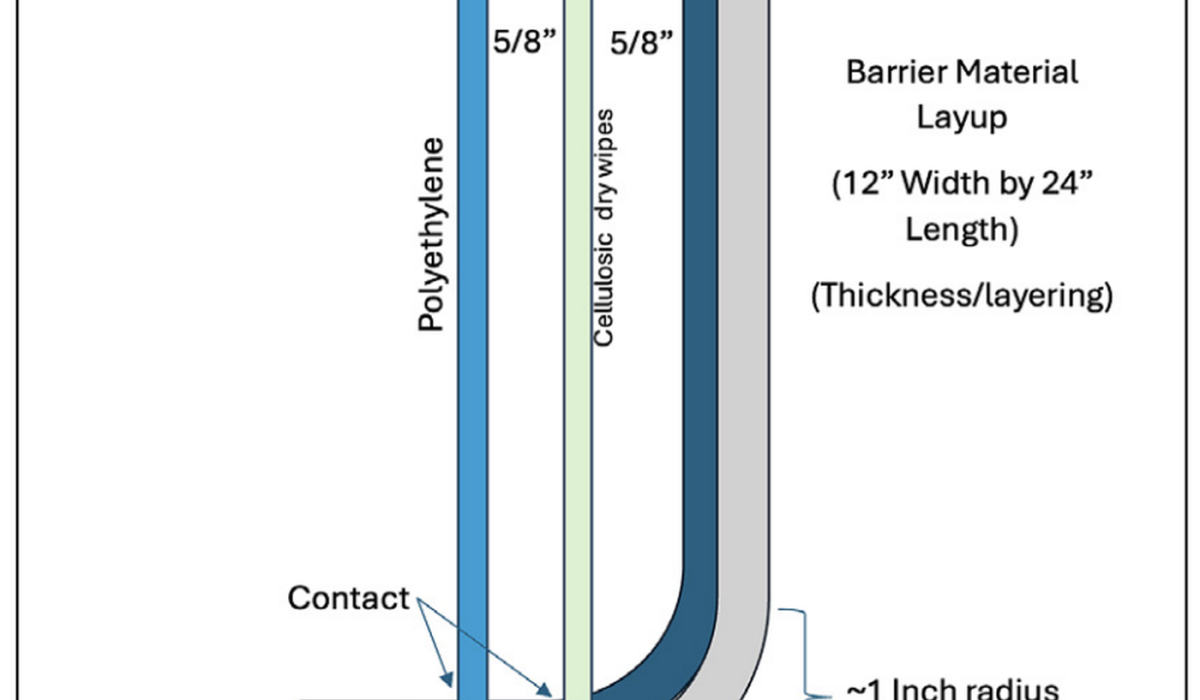
NASA’s Engineering and Safety Center (NESC) has collaborated with experts across multiple centers to create a new test configuration aimed at assessing the flammability resistance of barrier material assemblies intended for space flight cabins. This effort focuses on enhancing fire safety in the confined environment of spacecraft.
Collaboration Across NASA Centers
The initiative brought together flammability and materials specialists from the Johnson Space Center, White Sands Test Facility, and the Marshall Space Flight Center. By pooling expertise from these diverse locations, the team was able to design a comprehensive testing protocol that evaluates materials under conditions simulating spaceflight environments.
This multi-center partnership allowed for extensive knowledge sharing and resource utilization, ensuring that the developed test configuration was robust and relevant to operational spacecraft safety requirements.
Design of the Test Configuration
The test setup was developed to evaluate barrier materials’ ability to prevent the spread of flames in the event of cabin ignition. It simulates possible fire scenarios that might occur in spaceflight, incorporating variables like oxygen levels and confinement characteristics.
The configuration emphasizes realistic conditions to validate whether the barrier assemblies can effectively isolate potential fire sources and protect spacecraft occupants by limiting flame propagation and smoke generation.
Importance of Barrier Material Assemblies
Barrier materials in spacecraft cabins play a critical role in fire safety systems. They serve to compartmentalize and contain any ignition that might occur inside the vehicle, thus buying time for crew response and fire suppression.
Improving the performance of these materials contributes directly to overall mission safety, as fire remains one of the most hazardous risks during manned spaceflight.
Testing Results and Future Applications
While detailed results of the latest tests have not been published, the development of this testing approach represents a significant advancement in NASA’s safety protocol validation. The methodology can be applied to newly proposed materials and assemblies intended for future spacecraft designs.
These testing standards set by NESC could influence material selection and certification processes across commercial and international spaceflight programs, fostering safer environments for astronauts.
Enhancing Spaceflight Safety
Fire prevention and containment remain priorities for human spaceflight agencies worldwide. By systematically evaluating material performance through realistic tests, NASA strengthens its commitment to crew safety and mission assurance.
This work aligns with broader efforts to mitigate hazards in prolonged human presence in space, where immediate emergency response options are limited compared to terrestrial settings.