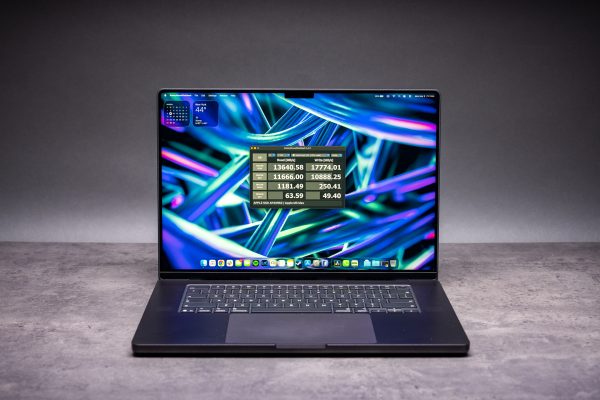
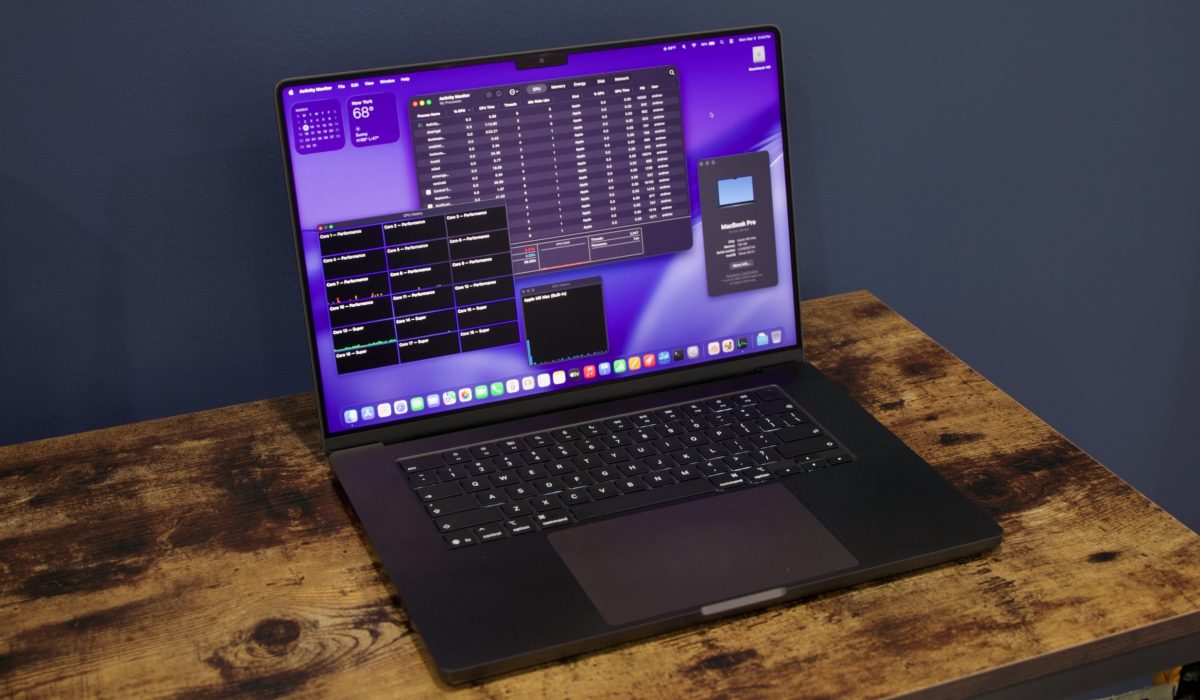
Apple’s 2026 16-inch MacBook Pro featuring the M5 Max chip introduces a revamped architecture with new “performance” CPU cores, marking a notable evolution from previous models. Early testing indicates these cores represent more than just a branding change, offering meaningful performance improvements.
Overview of the M5 Max Chip
The M5 Max is Apple’s latest iteration in the lineup of its ARM-based silicon chips designed specifically for professional laptops. Unlike its predecessors, the chip boasts new “performance” cores that depart from the earlier “Efficient” core designations, signaling a shift in Apple’s approach to balancing power and efficiency.
This chip is built to optimize intensive computing tasks common in creative workflows, software development, and data processing, aiming to provide users with enhanced speed and responsiveness.
Performance Core Architecture Changes
Apple’s new “performance” cores in the M5 Max appear to deviate substantially from the previous E-cores nomenclature used in the M-series. Testing shows that these cores deliver higher single-thread and multi-thread processing capabilities, suggesting improvements in clock speed and architectural efficiency.
The cores leverage a blend of advanced microarchitectural features that bolster execution throughput and reduce latency, which translates to smoother performance for demanding applications.
Impact on Real-World Use
Users running high-end software for video editing, 3D rendering, and machine learning workloads report noticeable gains in speed and responsiveness. Benchmark comparisons demonstrate that the M5 Max’s performance cores can sustain higher workloads without thermal throttling.
This allows creators and professionals to work faster and more efficiently, especially in scenarios that tax CPU-intensive tasks over extended periods.
Battery Life and Efficiency Considerations
Despite the enhanced performance, Apple claims the M5 Max chip maintains impressive power efficiency, thanks to a refined balance between the new performance cores and highly efficient cores. This enables longer battery life on the 16-inch MacBook Pro even under heavy workloads.
Tests indicate the laptop can sustain high performance without compromising mobility, a critical factor for users who demand power on the go.
Software Optimization and Compatibility
Apple continues to refine macOS to leverage the full capabilities of the M5 Max’s architecture. The operating system and native applications have been optimized to take advantage of the new core design, ensuring smoother multitasking and faster app launches.
Third-party developers are also updating their software to align with the M5 Max chip’s capabilities, promising wider ecosystem support and enhanced performance across a broad range of applications.
Conclusion: A Significant Step Forward for MacBook Pro
The 2026 16-inch MacBook Pro with the M5 Max chip represents a significant advancement in Apple’s silicon technology. The new “performance” cores deliver genuine improvements that go beyond simple rebranding, boosting the professional user experience.
As testing continues and software ecosystems adapt, the combination of raw power and efficiency positions Apple well for the competitive high-performance laptop market in the coming years.