
The spring travel season, often a time for relaxation and leisure, is encountering significant disruptions this year due to ongoing geopolitical tensions and residual winter challenges affecting travel infrastructure and costs.
Impact of the Iran Conflict on Global Travel
The recent conflict involving Iran has added uncertainty to air travel routes and fuel prices worldwide. Airlines are adjusting flight paths to avoid potentially dangerous airspace, which results in longer travel times and increased operational costs. These adjustments contribute to higher ticket prices and potential schedule disruptions for travelers.
Additionally, the geopolitical instability is causing airlines and travel companies to reassess safety protocols and contingency plans. Some regions close to the conflict zone are experiencing reduced tourist activity, further impacting the travel economy.
Lingering Effects of a Difficult Winter on Travel Infrastructure
Many parts of the United States experienced a harsh winter, leading to backlogs in airport maintenance and transportation services. The accumulated delays and necessary repairs have had a lingering effect on travel efficiency during the spring season.
Travel infrastructure strains, including increased flight cancellations and limited staffing, have contributed to chaotic conditions at major transportation hubs. Travelers are advised to allow extra time for their journeys and remain vigilant to sudden schedule changes.
Rising Costs Adding Pressure on Travelers
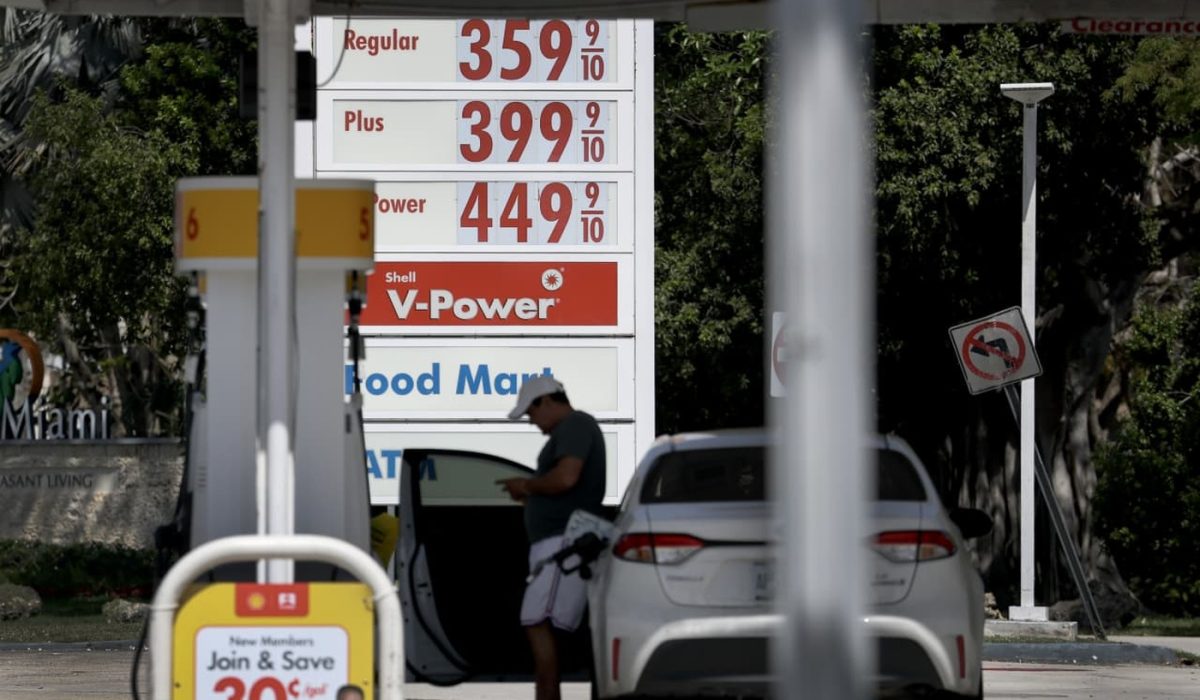
Fuel price increases driven by global instability and supply chain interruptions are causing airlines and other travel providers to raise prices. This inflation affects not only airfare but also hotel rates and other travel-related expenses, making spring vacations costlier than anticipated.
Consumers are facing a dilemma between postponing trips or accepting higher expenses, affecting overall travel demand trends and potentially influencing the market in coming months.
Airlines and Travel Companies Respond to Challenges
In response to these compounded difficulties, many airlines have introduced flexible booking policies to accommodate changing travel plans. Enhanced customer service efforts aim to manage increased demand for assistance amid flight disruptions.
Travel companies are also investing in technology to better predict and manage operational challenges, including real-time monitoring of geopolitical risks and weather impacts, to improve traveler experience despite ongoing uncertainties.
Traveler Advice for Navigating the Chaotic Season
Experts recommend that travelers stay informed about current geopolitical developments and monitor airline communications closely for changes. Purchasing travel insurance and considering refundable tickets can offer extra protection against unforeseen cancellations or delays.
Planning trips with buffer time and maintaining flexible itineraries can help mitigate the stress associated with the unpredictable spring travel landscape.