As new car prices approach an average of $55,000, industry experts are examining how off-lease electric vehicles (EVs) with steep depreciation may provide a more affordable option for consumers and assist dealers in addressing the affordability challenge.
Rising New Car Prices and the Affordability Challenge
The average transaction price for new vehicles has steadily increased, driven by factors such as advanced technology, supply chain constraints, and higher production costs. This upward trend has placed additional financial pressure on buyers, prompting concerns over sticker shock and reduced vehicle accessibility.
Higher prices have particularly impacted first-time car buyers and those with limited budgets, limiting the ability of dealerships to meet demand across all market segments. The rising costs are prompting dealers and manufacturers to explore alternative solutions for balancing affordability and profitability.
The Role of Off-Lease Electric Vehicles
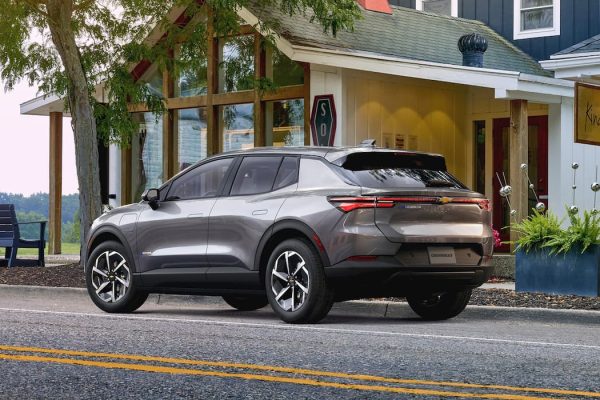
Off-lease EVs are emerging as a pivotal element in this landscape. Vehicles returned after their lease term often experience significant depreciation, which can translate into attractive pricing for used car buyers. This phenomenon is especially pronounced with EVs due to evolving battery technologies and government incentives that affect new car pricing.
These low-mileage, relatively new EVs may provide cost-conscious consumers a chance to enter the electric vehicle market at a more accessible price point, while dealers gain an avenue to sell vehicles more efficiently amid rising new car costs.
Impact on Car Dealerships and Sales Strategies
Car dealers, including those supported by technology platforms like CDK, are reassessing their inventory and sales approaches. Dave Thomas from CDK highlights how leveraging off-lease EVs could drive higher volume sales and reduce inventory dwell times.
Dealerships may implement targeted marketing campaigns focused on the affordability and benefits of nearly new EVs to broaden their customer base, especially as demand grows for sustainable transportation options without the premium price of brand-new EVs.
Consumer Benefits and Market Adoption
For consumers, purchasing an off-lease EV delivers several advantages beyond affordability, including manufacturer warranties still in effect, recent model technology, and reduced depreciation costs compared to new car purchases. These factors contribute to a more accessible pathway toward EV adoption.
As the market matures, increased availability of off-lease EVs could accelerate the transition to electric transportation and improve perceptions around total cost of ownership, driving further consumer acceptance.
Challenges and Considerations Ahead
Despite the positive outlook, challenges remain. The supply of off-lease EVs is dependent on lease volumes, and battery performance longevity still plays a role in consumer confidence. Additionally, varying regional incentives and charging infrastructure availability affect adoption rates.
Dealers and manufacturers will need to navigate these complexities carefully while maintaining transparency about vehicle condition and expected costs over time to maximize the benefits of off-lease EV options.