
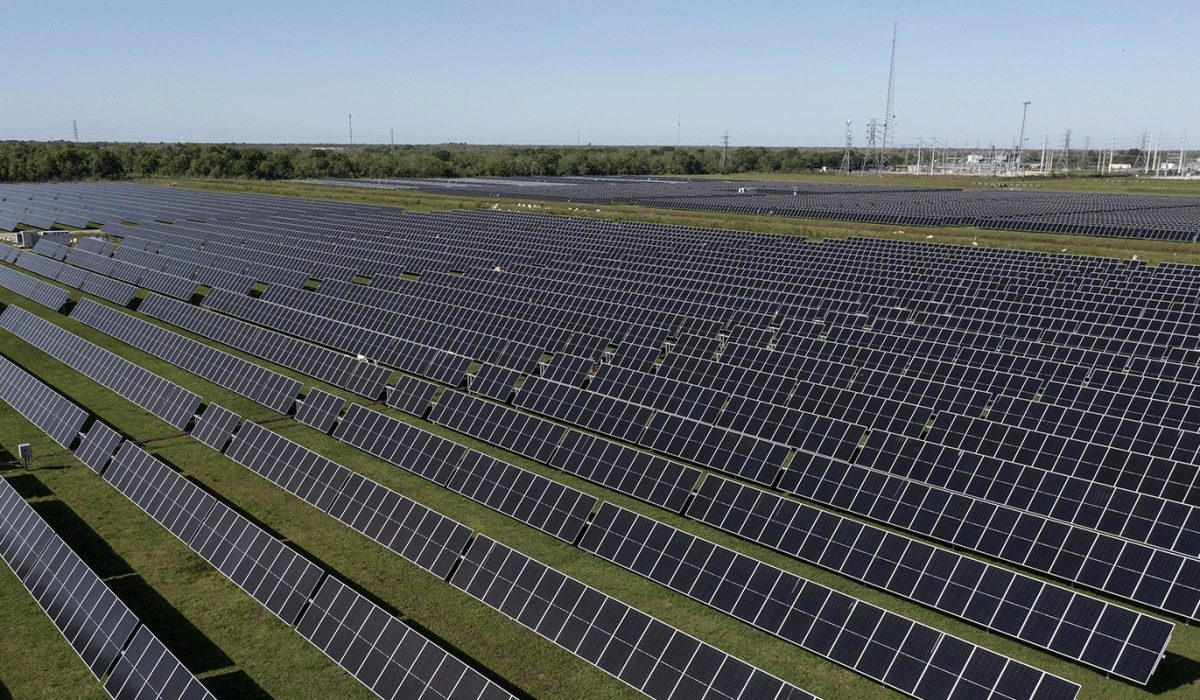
In 2025, the United States installed 43 gigawatts (GW) of new solar power capacity, continuing a five-year trend of solar energy dominating new power additions to the grid. This milestone reflects the accelerating adoption of renewable energy technologies amid growing environmental and economic incentives.
Record-Breaking Solar Capacity Installations
The 43 GW of new solar capacity added in 2025 marks the largest annual increase the US has experienced from solar power. For the fifth year running, solar installations have outpaced other energy sources, underscoring the technology’s rapid growth and increasing competitiveness.
Solar farms and distributed rooftop systems contributed significantly to the expansion, with utility-scale projects driving a substantial portion of the additions. This wide deployment across various scales indicates robust market demand and supportive policy frameworks.
Drivers Behind Solar’s Continued Dominance
Several factors continue to fuel solar power’s growth. Advances in photovoltaic technologies have improved panel efficiency and reduced costs, making solar more accessible for residential, commercial, and industrial users.
Additionally, federal and state incentives, including tax credits and renewable portfolio standards, create an attractive environment for solar investments. Corporate commitments to sustainability goals also boost demand for clean energy sources.
Impact on the US Energy Grid
The integration of 43 GW of new solar power significantly changes the US energy landscape, increasing the renewable share of electricity generation. This shift supports national climate goals by reducing reliance on fossil fuels and lowering carbon emissions.
Grid operators are adapting to the intermittent nature of solar energy by enhancing grid flexibility and investing in energy storage solutions. These efforts help ensure grid reliability even as solar penetration increases.
Future Outlook for Solar Power in the US
Looking ahead, solar power investment is expected to remain strong as costs continue to fall and technology advances. Innovations in panel design, energy storage, and grid management will further enhance solar’s role in the energy transition.
Policy developments at federal and state levels, along with growing corporate sustainability commitments, will likely sustain the growth momentum, reinforcing solar as a cornerstone of the US energy system.