The ongoing conflict in Iran is increasingly being shaped and visualized through the lens of artificial intelligence technologies. AI tools and platforms are turning real-world events into a form of digital theater that blends information, analysis, and online engagement in unprecedented ways.
AI-Powered Intelligence Dashboards
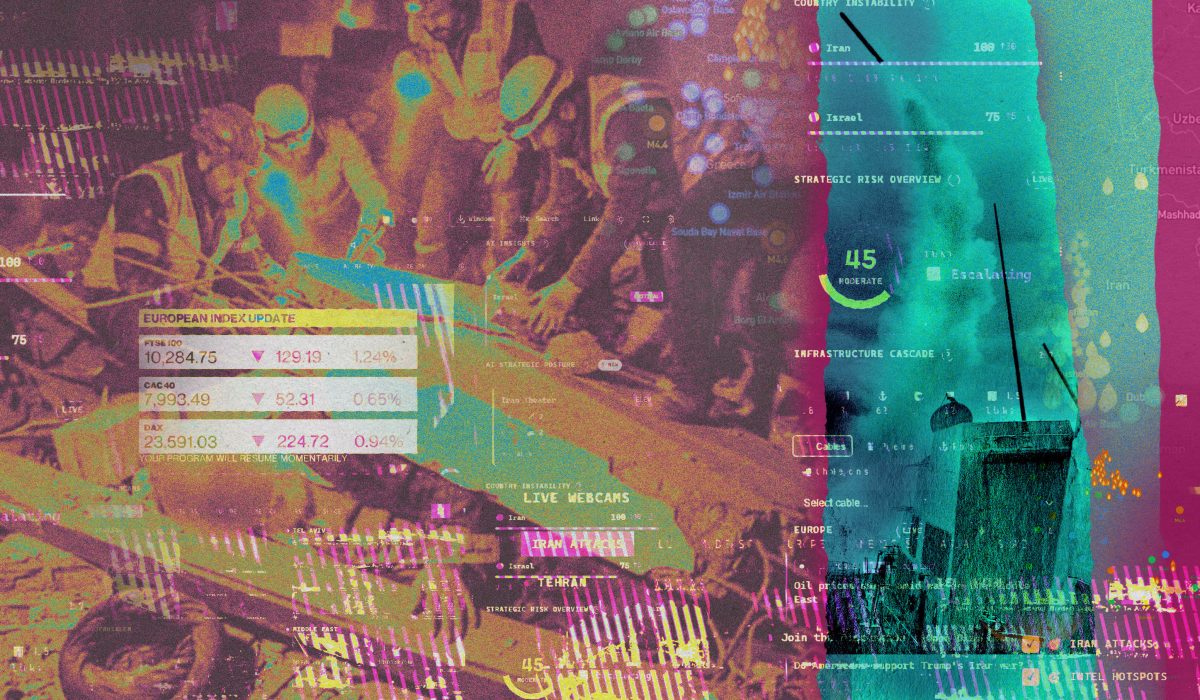
One of the most notable trends in the Iran conflict is the use of AI-driven intelligence dashboards. These platforms collect, process, and visualize vast amounts of data from social media, satellite imagery, and open sources.
Users can engage with these dashboards to observe conflict developments in real time, track troop movements, or monitor political activities. The approach allows for a more interactive and accessible way of understanding evolving events, often through visually compelling interfaces.
Enhancing Information Dissemination and Analysis
Artificial intelligence has significantly enhanced the speed and accuracy of information dissemination in conflict zones. Automated content filters and natural language processing models help verify news, detect misinformation, and summarize key updates amidst the flood of data.
This capability enables analysts, journalists, and the public to stay informed with greater confidence, providing a clearer picture despite the complexities and propaganda common in conflict environments.
Theatrical Elements in Conflict Visualization
AI technologies also contribute to dramatizing the conflict through vivid simulations and interactive media. By converting raw data into dynamic visuals and narratives, these tools can amplify the emotional and human aspects of warfare.
Such presentations often provoke strong public interest and debate, turning factual information into engaging storytelling that blends data with a theatrical experience.
Challenges and Ethical Considerations
Despite its advantages, the use of AI in conflict reporting and visualization raises ethical questions. There are concerns about privacy, data manipulation, and the potential for AI-generated content to exacerbate misinformation or propaganda.
Moreover, the risk of oversimplifying complex geopolitical issues into easily consumable theater prompts debate about the responsibility of AI developers and content creators in conflict zones.
The Future of AI in Conflict Reporting
Looking ahead, AI is likely to become an even more integral component of conflict reporting and analysis. Advances in machine learning and data integration will further enhance the ability to provide nuanced, real-time insights.
However, balancing innovation with ethical practices will be essential to ensure AI tools support truthful and constructive engagement rather than merely entertainment or manipulation.