
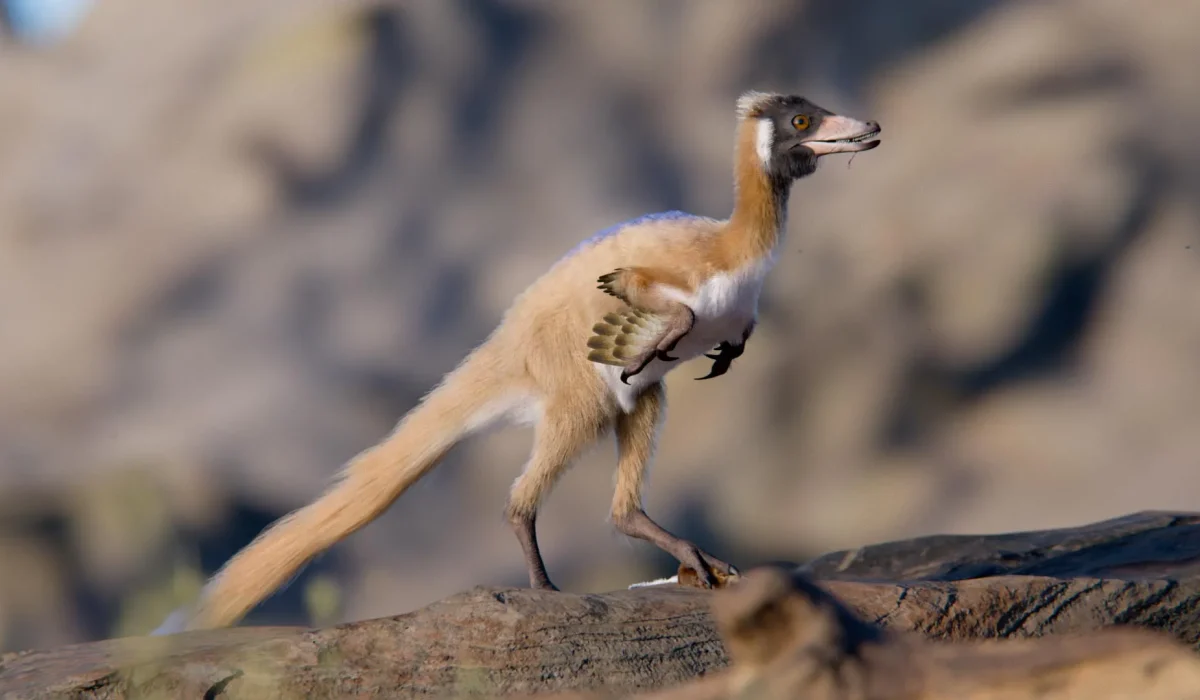
A recently discovered nearly complete skeleton of Alnashetri cerropoliciensis in Patagonia is providing new clues about the evolutionary history of alvarezsaurs, a group of small, bird-like dinosaurs. Weighing less than two pounds, this fossil challenges previous assumptions and sheds light on how these creatures evolved over time.
Significance of the Alnashetri Fossil
The fossil of Alnashetri cerropoliciensis is remarkable due to its nearly complete preservation and its small size, which makes it one of the tiniest dinosaurs known from South America. Such a well-preserved specimen allows scientists to study detailed anatomical features that were previously unidentified in this group.
Its discovery fills a critical gap in the dinosaur fossil record, making it possible to trace evolutionary trends more precisely within alvarezsaurs, which have long puzzled researchers due to their unique physical characteristics.
Insights into Alvarezsaurs’ Evolution
Alvarezsaurs are known for their bird-like appearance, specialized stubby arms, and adaptations believed to be linked to ant-eating. The new fossil suggests that these dinosaurs first became very small before evolving their distinctive traits.
This finding points to a gradual evolutionary process where body size reduction preceded the development of specialized physical features, challenging prior theories that focused mainly on their feeding adaptations.
Implications for Understanding Dinosaur Diversity
The discovery highlights the diversity of dinosaur species in the Late Cretaceous period of South America. It underscores how small-bodied dinosaurs could occupy ecological niches that are often overshadowed by larger, more famous dinosaurs.
By understanding the evolution of such tiny species, scientists gain a more comprehensive picture of ecosystem dynamics and evolutionary pressures acting on different dinosaur groups during that era.
Future Research Directions
Researchers aim to conduct further comparative studies between Alnashetri cerropoliciensis and other known alvarezsaurs to refine the evolutionary timeline. Additional fossil finds may help clarify how widespread these tiny, bird-like dinosaurs were across ancient landscapes.
Moreover, studies on morphology and biomechanics of the new fossil are expected to provide deeper insights into the functional adaptations related to their feeding and locomotion behaviors.