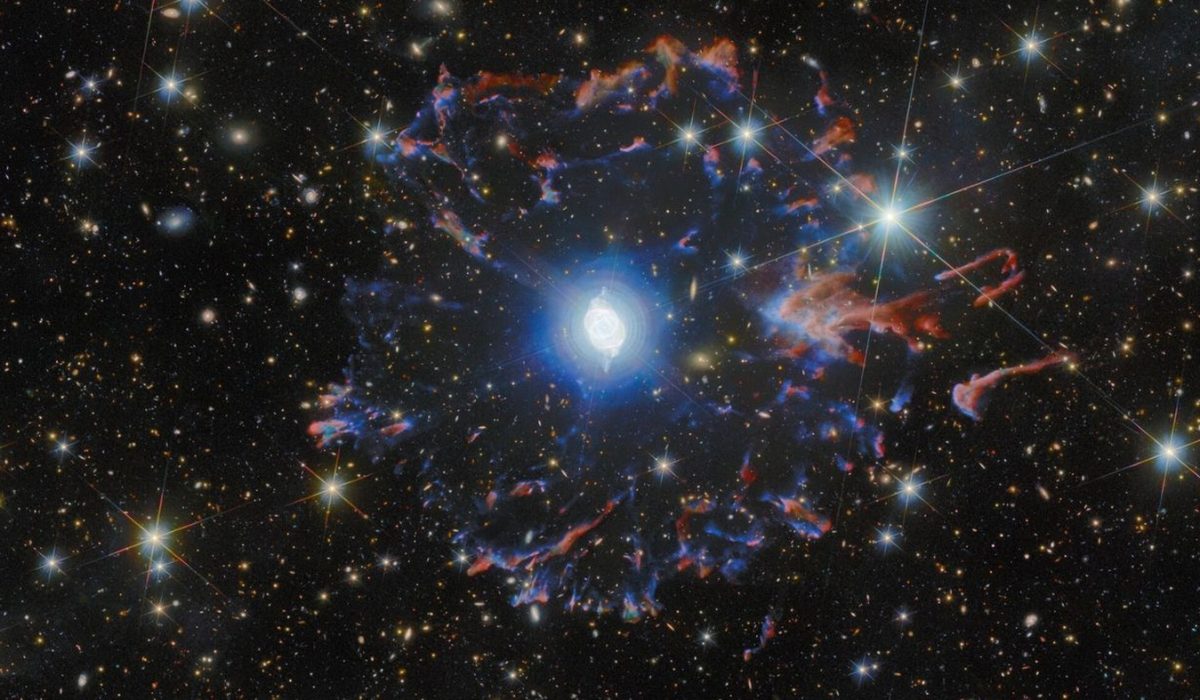
On March 10, 2026, the Hubble and Euclid space telescopes revealed a breathtaking image capturing the death of a star at the heart of the Cat’s Eye Nebula. This detailed snapshot offers new insights into the complex processes surrounding stellar death and nebula formation.
The Cat’s Eye Nebula: A Cosmic Portrait
The Cat’s Eye Nebula, cataloged as NGC 6543, is one of the most intricate planetary nebulae observed in our galaxy. Located approximately 3,300 light-years from Earth, it is known for its striking, eye-like structure composed of concentric gas shells and filaments. The new image reveals unprecedented detail in the nebula’s inner structures and the dying star at its core.
These details help astronomers understand the late stages of a star’s life, particularly the interactions that shape the complex and symmetrical forms seen in planetary nebulae like the Cat’s Eye.
Role of Hubble and Euclid Telescopes
The combined efforts of the Hubble Space Telescope and the Euclid telescope were crucial in obtaining this detailed image. While Hubble is renowned for its high-resolution visible light imaging, the Euclid telescope contributes infrared perspectives that help penetrate dust and reveal hidden structures within the nebula.
This synergy allows scientists to study the physical conditions and chemical composition of the nebula with greater accuracy and at multiple wavelengths, offering a comprehensive view of stellar death.
Insights into Stellar Death
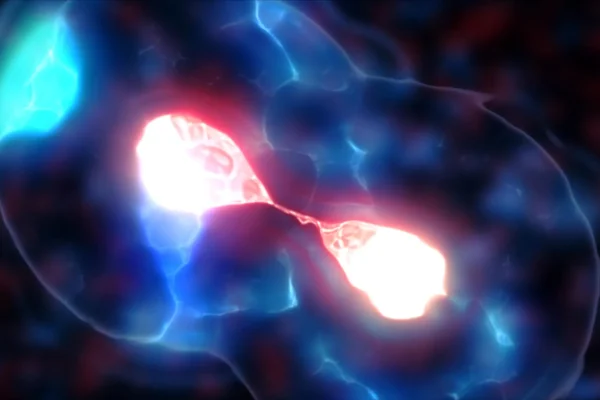
The image illustrates the star’s transformation from a red giant shedding its outer layers to a white dwarf at the nebula’s center. As the star ejects gas and dust into space, the expelled material forms the nebula’s glowing shells illuminated by intense ultraviolet radiation from the central star.
Careful analysis of the flow and composition of these layers provides clues about the nucleosynthesis—the creation of heavier elements—and the star’s evolutionary history. This data enriches astrophysical models of how such nebulae evolve over thousands of years.
Importance for Astronomy and Future Exploration
Studying planetary nebulae like the Cat’s Eye gives astronomers a window into the final phases of stars similar in size to our Sun. Understanding these processes helps clarify the chemical enrichment of the interstellar medium, which influences future star and planet formation.
Continued observations with current and upcoming space telescopes will enhance astronomers’ abilities to study such cosmic phenomena in greater detail, deepening scientific knowledge about the lifecycle of stars and the dynamic structures they leave behind.