The 2025 Technical Update highlights innovative efforts by NASA’s human factors team to optimize mission success by balancing crew capabilities and mission design. This approach aims to enhance human performance and ensure safety across complex space missions.
The Role of Human Factors in Space Missions
The human factors team at NASA plays a crucial role in integrating knowledge about human performance into mission planning and design. Their goal is to leverage natural human strengths while mitigating risks to astronauts and missions.
Experts on the team draw from extensive experience not only within NASA but also from other safety-critical industries such as aviation and healthcare. This cross-industry expertise allows them to anticipate potential challenges and improve design solutions.
Designing for Human Performance
Effective mission design requires understanding how crew members interact with technology and the environment in space. The team assesses physical, cognitive, and social aspects of human performance to develop supportive systems and procedures.
This integrated approach helps reduce errors, fatigue, and stress, which are critical factors during long-duration space flights. The human factors toolbox is continually expanded to include new methods and technologies that support crew effectiveness.
Balancing Crew and Mission Parameters
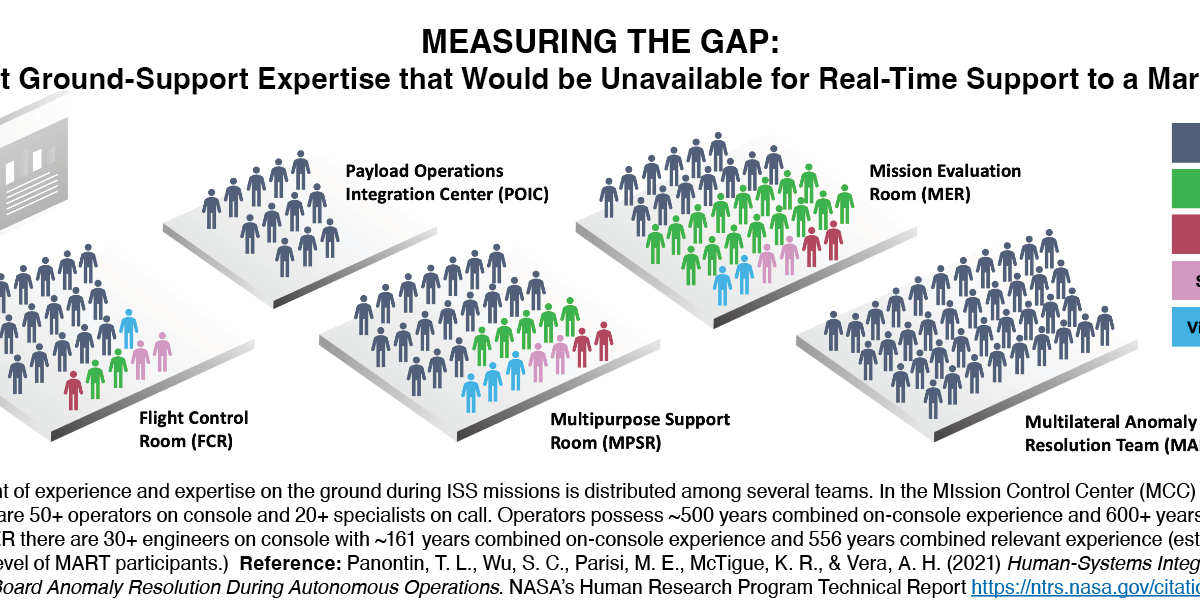
One of the key challenges is finding the right balance between mission demands and crew capabilities. The team analyzes mission objectives, schedules, equipment, and environmental conditions to determine optimal configurations.
This balance ensures that astronauts can perform tasks efficiently without compromising safety or mission success. Adjustments to mission parameters based on human factors insights contribute to resilient mission design.
Applications Beyond NASA
Insights and tools developed by the human factors team have implications beyond space exploration. Their methods are applicable to other endurance and safety-critical operations, such as underwater exploration and remote medical procedures.
By continuously refining these tools, NASA supports broader advancements in human-system interaction in challenging environments, improving safety and performance globally.
Future Directions in Human Factors Research
The human factors team is exploring new technologies, including advanced simulations and wearable monitoring, to enhance understanding of crew conditions in real time. Future work aims to integrate personalized data to tailor mission support further.
Ongoing collaboration with scientists and engineers ensures that human factors remain central in the evolution of space missions, supporting both current and next-generation exploration goals.