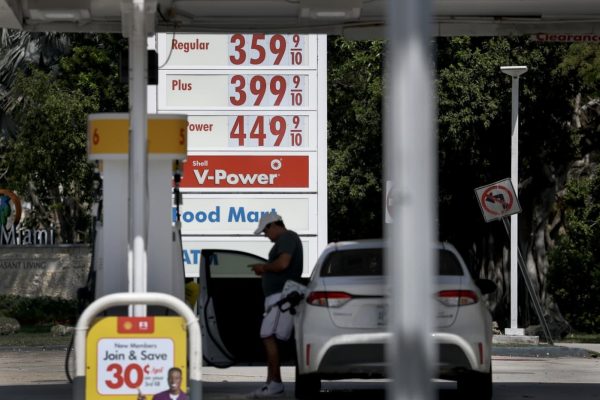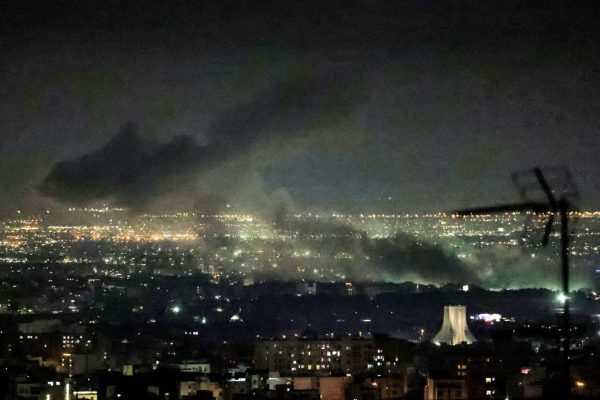
Oil futures experienced a significant decline on Tuesday, continuing a downward trend from the previous session as global energy ministers prepare to meet regarding the potential release of emergency crude reserves. This development comes as the ongoing conflict involving Iran enters its 11th day, raising concerns about supply stability.
Market Reaction to Geopolitical Tensions
Oil prices are highly sensitive to geopolitical events, and the conflict involving Iran has created uncertainty about the security of crude supplies. Investors initially pushed oil futures higher amid fears of supply disruptions; however, the prospect of coordinated reserve releases has led to a marked sell-off. The sharp decline reflects market optimism that an intervention might ease short-term supply concerns.
Traders remain cautious, monitoring developments closely as any escalation in the conflict could quickly reverse the downward momentum in prices. The vulnerability of oil markets to political instability continues to underscore the intricate connection between geopolitics and commodity pricing.
Emergency Crude Reserves: Purpose and Impact
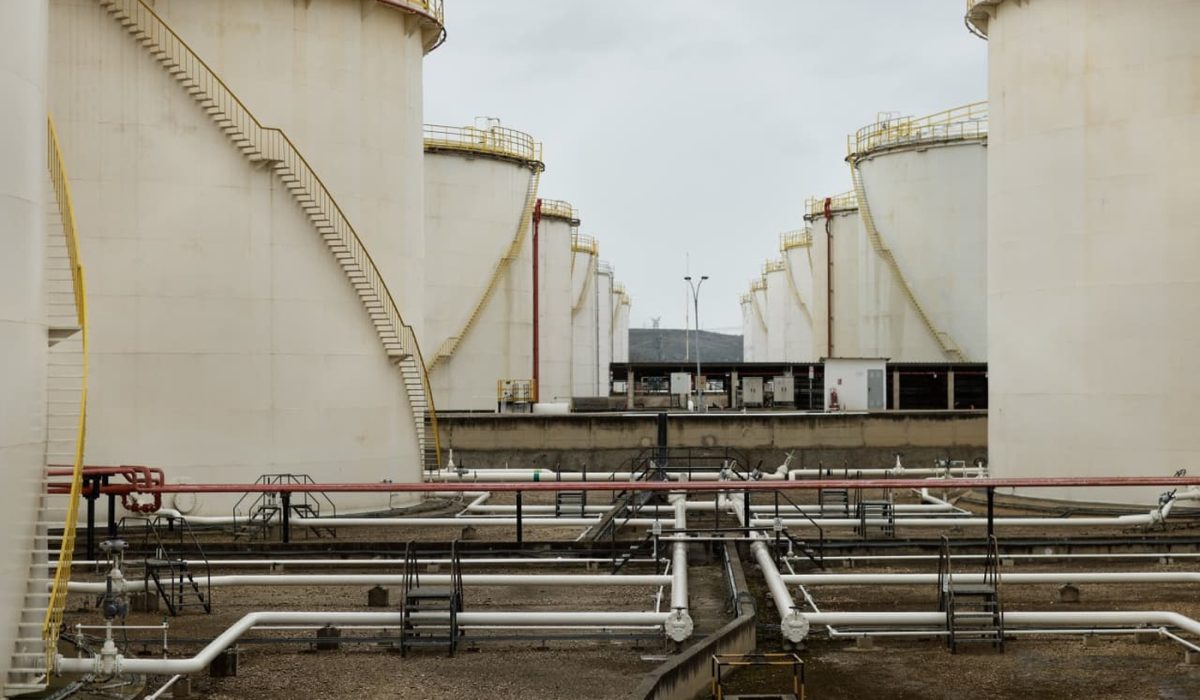
Strategic petroleum reserves are held by countries to mitigate risks from supply interruptions caused by geopolitical unrest, natural disasters, or other emergencies. The planned meeting of energy ministers aims to assess whether releasing these reserves could stabilize the market amid current tensions.
Such a coordinated release typically aims to increase supply temporarily, dampening price spikes and providing relief to consumers and industries. However, the effectiveness depends on the volume released and the global market’s demand-supply dynamics at the time.
Energy Ministers’ Meeting and Potential Outcomes
The meeting brings together key oil-producing and consuming nations to discuss a joint response. While no final decision has been announced, discussions focus on the scale and timing of any release from emergency reserves. The ministers face the challenge of balancing market stability with long-term strategic interests.
Some analysts suggest that a coordinated release could signal strong international cooperation, but others caution that if underlying geopolitical issues persist, the impact on prices may be short-lived. The situation remains fluid, with participants vigilant about potential changes in market conditions.
Broader Implications for the Energy Market
The unfolding events highlight vulnerabilities in the global oil market, particularly dependence on politically sensitive regions. This volatility often leads to ripple effects in energy-related sectors and economic sectors reliant on stable fuel prices.
In addition to immediate price impacts, prolonged disruptions could accelerate discussions on alternative energy sources and strategic shifts toward energy security. The role of emergency reserves is thus seen not only as a short-term fix but also as a strategic tool in navigating long-term energy challenges.