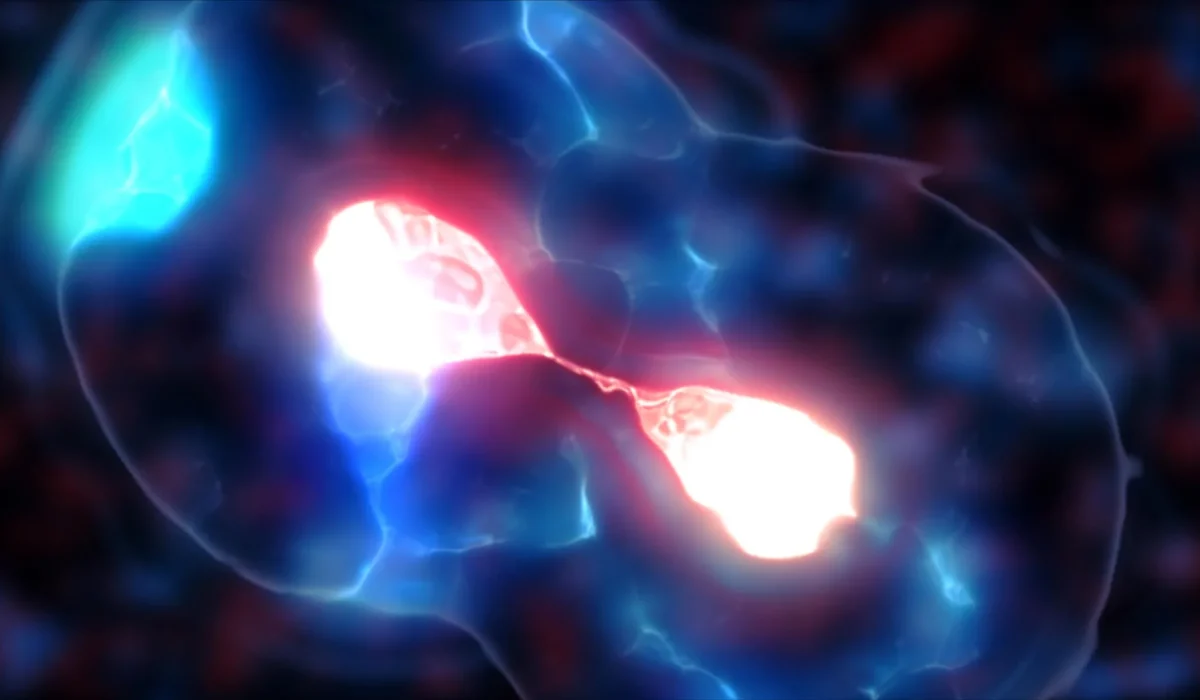
Researchers have made a significant breakthrough in understanding the evolution of yeast’s unusually small centromeres, crucial DNA regions involved in chromosome separation during cell division. By examining closely related yeast species, the team has traced the origins of these tiny centromeres to mobile genetic elements known as retrotransposons.
The Role of Centromeres in Cell Division
Centromeres are essential chromosome structures that play a central role in ensuring chromosomes are correctly divided when cells replicate. They serve as attachment points for spindle fibers that pull chromosomes apart into daughter cells. The size and composition of centromeres vary greatly across different organisms, with brewer’s yeast having one of the smallest known variants.
The mechanisms by which these tiny centromeres maintain their function despite their compact size have long puzzled scientists, making the recent findings particularly noteworthy.
Comparative Genomic Analysis of Yeast Species
To investigate how these small centromeres evolved, the researchers compared the genomes of multiple related yeast species. This comparative approach revealed centromere structures that seemed to represent intermediate stages in the evolutionary process, bridging the gap between larger centromeres in some species and the tiny counterparts in brewer’s yeast.
These intermediate forms allowed the team to reconstruct the evolutionary sequence and identify genomic changes that led to the reduction in centromere size.
Retrotransposons: From Genomic “Junk” to Essential Machinery
The study found that retrotransposons, which are mobile DNA sequences often considered “junk” because they do not code for proteins and can move within the genome, played a pivotal role in shaping yeast centromeres. The retrotransposons appear to have been co-opted by the yeast genome to form the basis of these small centromere regions.
This finding highlights an example of how seemingly nonfunctional DNA elements can be repurposed by evolution to create essential genetic structures, reshaping our understanding of genome dynamics.
Implications for Chromosome Biology and Evolution
The discovery offers new insights into the flexibility and adaptability of chromosome architecture. Understanding how centromeres can evolve from mobile genetic elements broadens knowledge about genome stability mechanisms and the evolutionary pressures shaping chromosome organization.
These insights could have broader implications for studying chromosome behavior across diverse organisms and contribute to fields like genetics and evolutionary biology.
Future Research Directions
Building on these findings, further research may explore how similar processes occur in other species and the molecular mechanisms that regulate retrotransposon integration into functional genome components. Additionally, understanding the interplay between centromere size, genome structure, and chromosome segregation fidelity remains an important area for future studies.
This research opens avenues for exploring the evolutionary re-utilization of genomic elements in other key cellular functions.