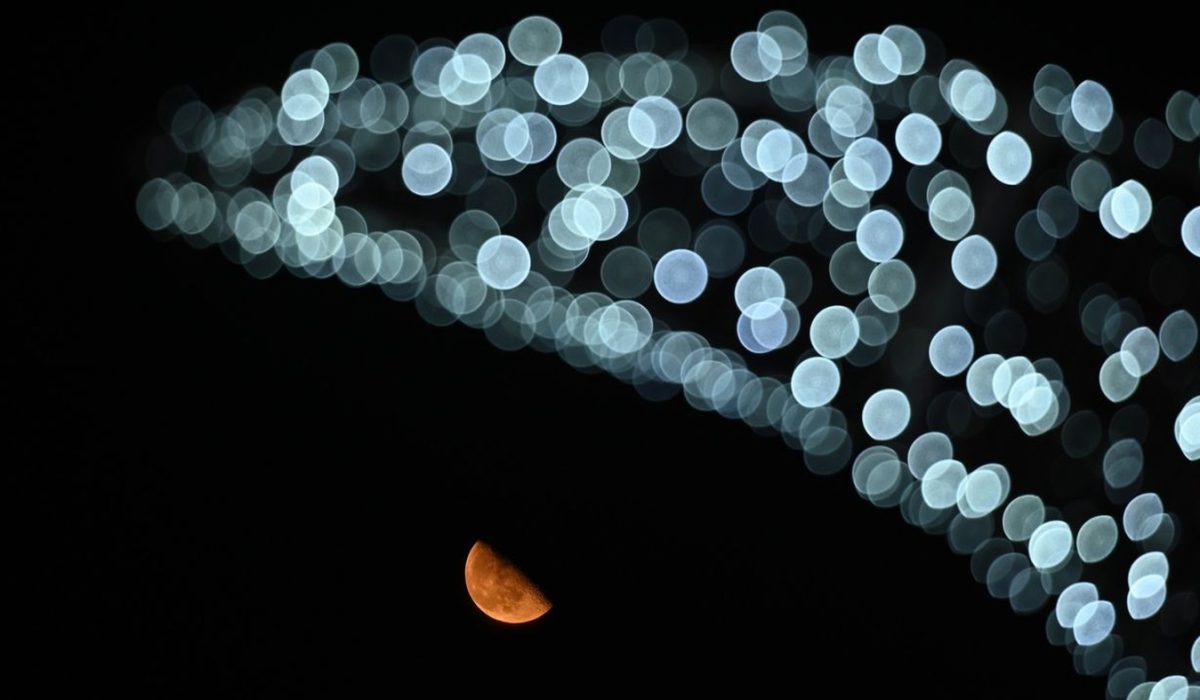
Astronomy enthusiasts will have a special celestial event to observe tomorrow as the Moon enters its third quarter phase. This phase offers a unique view of the lunar surface and marks an important step in the Moon’s monthly cycle.
Understanding the Third Quarter Moon Phase
The third quarter, also known as the last quarter, occurs when half of the Moon’s surface facing Earth is illuminated, and the visible part is decreasing each night. This phase signifies that the Moon is three-quarters of the way through its orbit around Earth.
During this time, the Moon appears as a half-circle shaped disk, with the left side lit up for observers in the Northern Hemisphere. This particular phase transitions the Moon from the waning gibbous stage toward the new moon.
Best Times and Viewing Tips
The third quarter Moon usually rises around midnight and is best observed in the early morning hours before sunrise. Stargazers should look for it in the southern sky where it will often be prominent.
Using a telescope or binoculars during this phase can reveal interesting surface details, such as craters and mountain ranges along the terminator—the line dividing the illuminated and dark sides of the Moon. The contrast here provides excellent visibility of lunar features.
Significance in Lunar Cycle and Tides
The third quarter phase is significant in understanding the Moon’s influence on Earth’s tides. The gravitational pull from the Moon and Sun combined during this phase helps create neap tides, which are tides of lesser range.
These tides can affect coastal environments and marine life, making the third quarter Moon phase noteworthy not just for observers but also for environmental scientists.
Upcoming Lunar Phases After the Third Quarter
After the third quarter, the Moon continues to wane until it reaches the new moon phase. The new moon marks the beginning of a new lunar cycle and is the best time for stargazing free from moonlight.
Following the new moon, the cycle progresses again through waxing crescent, first quarter, and eventually returns to full moon, making this cycle perpetual and predictable.
Cultural and Historical Context
The various phases of the Moon, including the third quarter, have held cultural significance throughout history. Many societies have used them to mark the passage of time, schedule agricultural activities, and conduct rituals.
Today, while science explains the lunar cycle, the Moon’s phases continue to inspire art, literature, and cultural traditions around the world.