
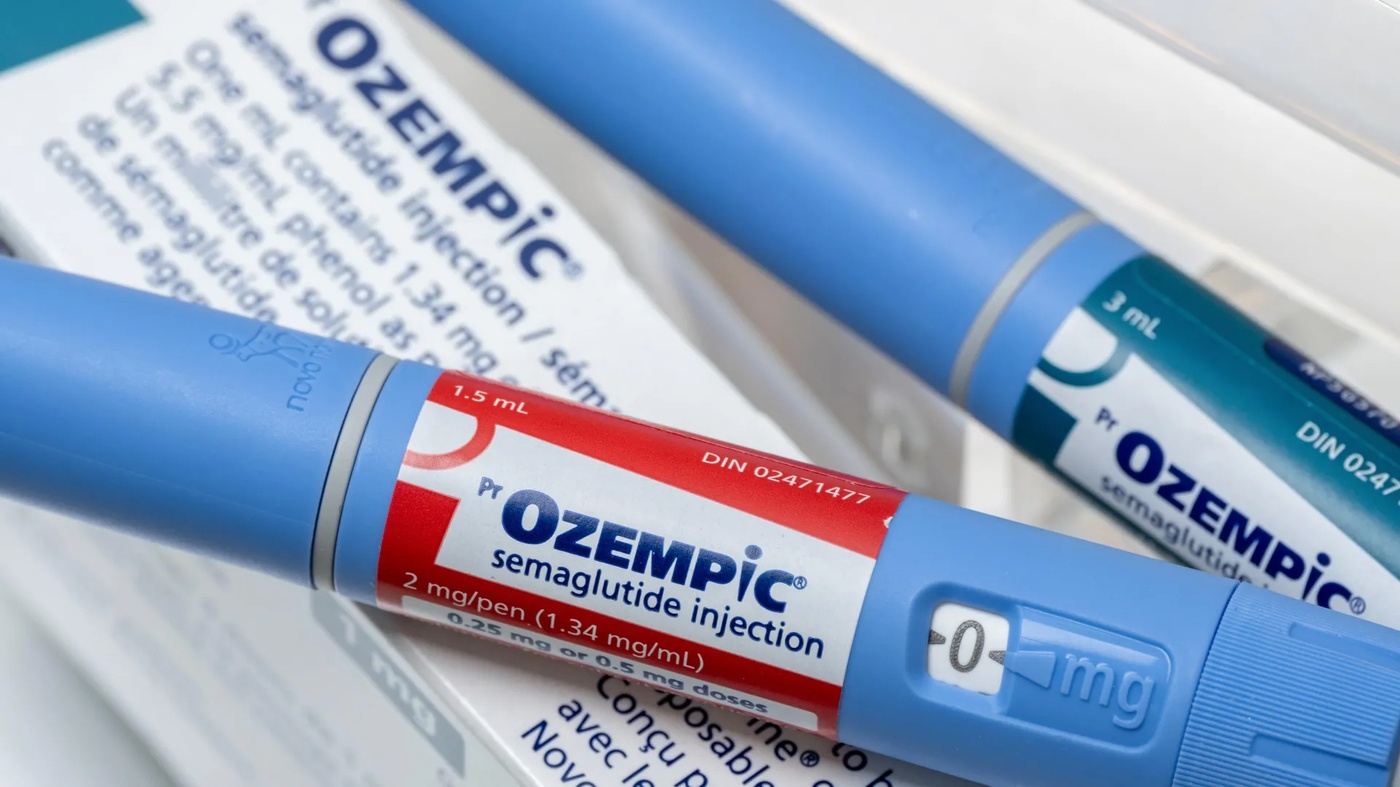
Recent research suggests that popular weight-loss drugs, including Ozempic, Wegovy, and Mounjaro, may have benefits beyond their ability to reduce body weight. These medications, which belong to a class known as GLP-1 receptor agonists, appear to assist in the recovery of heart function following a heart attack. The new findings highlight their potential to restore blood flow in small blood vessels that remain impaired even after major arteries are reopened through medical intervention.
Typically, when a person experiences a heart attack, the primary treatment involves clearing blockages in large coronary arteries to restore blood supply to the heart muscle. However, tiny capillaries often remain constricted or damaged, limiting full recovery of heart tissue. The study found that GLP-1 drugs could promote relaxation and repair of these microvessels, potentially reducing long-term damage to the heart.
The implications of this research are significant, as improving microvascular blood flow could lead to better outcomes for patients who suffer from heart attacks. Currently, secondary heart damage is a major cause of chronic heart failure, a condition that affects millions worldwide. By supporting the healing process at a microvascular level, these medications might reduce the progression of heart failure and improve quality of life.
While GLP-1 receptor agonists are already widely prescribed for diabetes and weight management, their application in cardiovascular care represents an exciting new frontier. Further clinical trials are needed to confirm these benefits and to determine appropriate treatment protocols. Nevertheless, the findings offer hope for an additional therapeutic strategy that leverages existing drugs for enhanced heart recovery after acute cardiac events.