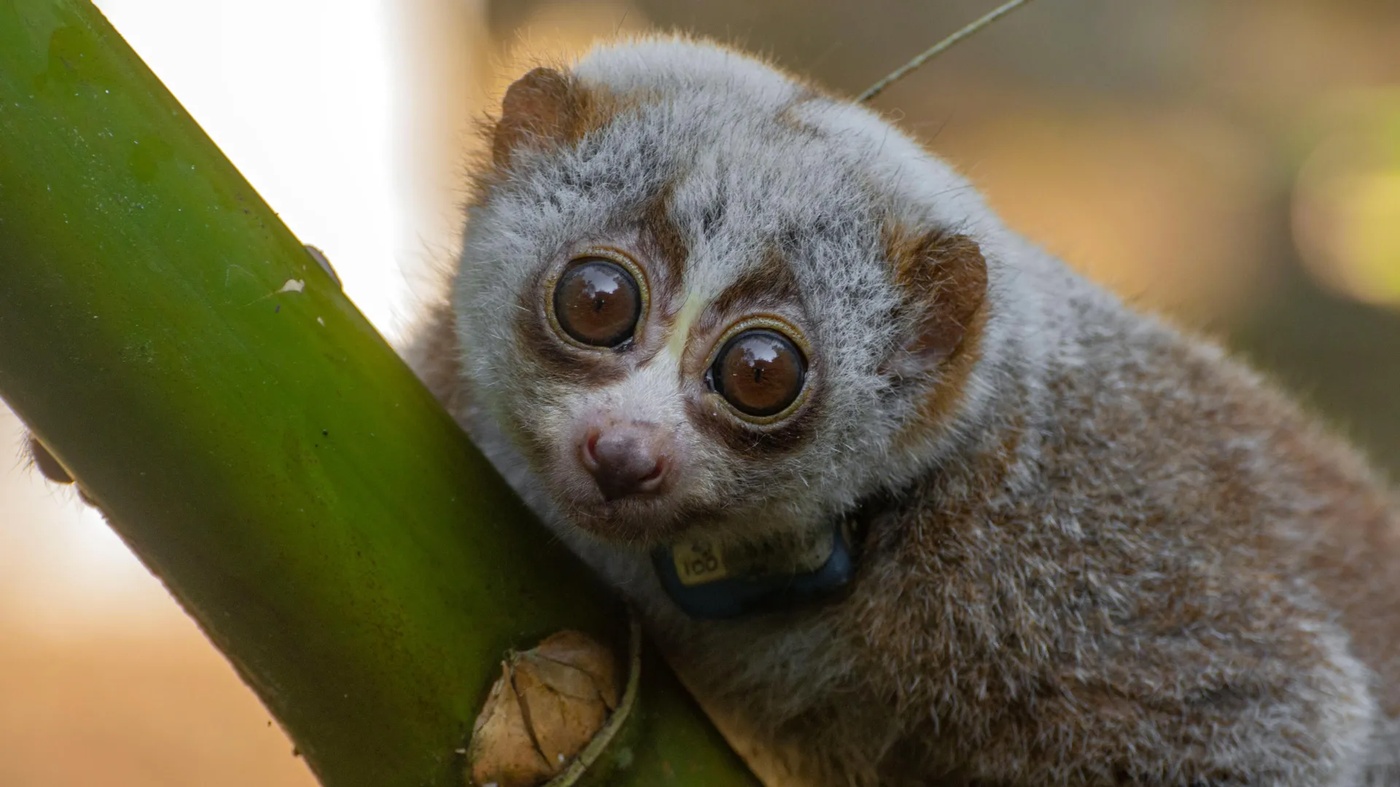
A recent study sheds light on the challenges of reintroducing rescued slow lorises back into the wild. Although the intention behind releasing these animals is to support conservation efforts, the new research reveals that such releases might have adverse consequences. Researchers found that among nine tracked slow lorises released into their natural habitat, only two survived, while the rest succumbed primarily to territorial aggression from other slow lorises.
The slow loris, a small nocturnal primate, faces threats including habitat loss and illegal pet trade, making conservation efforts critical. However, the findings from this study underscore that rescuing and releasing these animals is not a straightforward solution. The environment that the lorises return to may already be saturated with territorial individuals, creating conflicts that reduce survival chances for the newcomers.
Scientists involved in the research emphasize the importance of comprehensive planning before wildlife release projects. This includes detailed assessments of the release sites, understanding the social behaviors of the species, and possibly preparing the animals better for integration into wild populations. Without these considerations, well-intended conservation efforts may inadvertently contribute to further population decline.
The study highlights a broader concern in conservation biology about how human interventions, despite good intentions, can sometimes fail due to complex ecological and behavioral factors. Effective conservation strategies must therefore be grounded in thorough scientific research that addresses not only the immediate needs of rescued animals but also the long-term viability of their populations in the wild.