Indie game creators Adriaan de Jongh and Sylvain Tegroeg have made a significant impact on the hidden object genre with their 2017 release, Hidden Folks. While hidden object games have existed for decades, originating from activities such as searching for objects in paintings, de Jongh and Tegroeg introduced a fresh perspective that effectively pushed the boundaries of the genre. Their approach blends traditional gameplay with innovative art styles and interactive elements, transforming the simple act of searching into an immersive artistic experience.
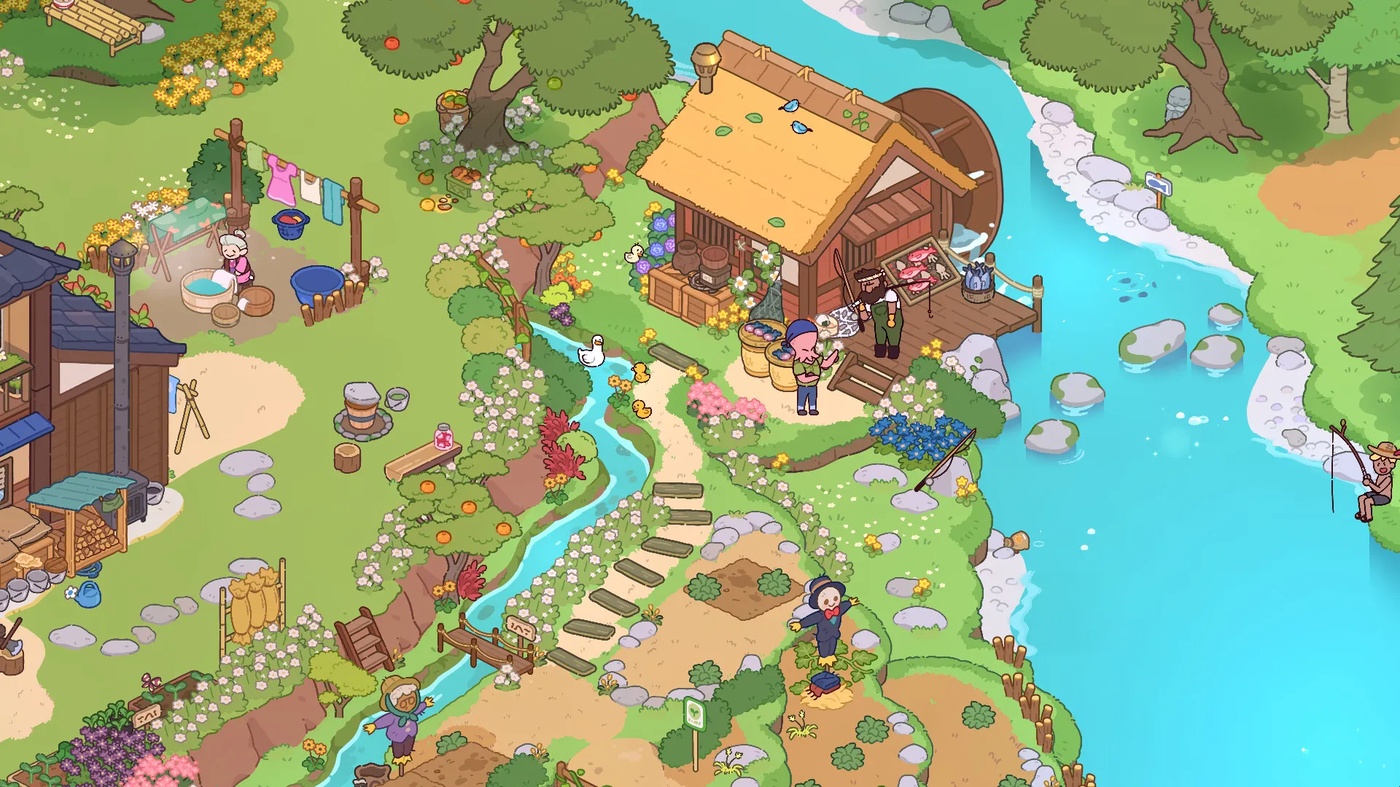
Hidden Folks features hand-drawn, black-and-white environments filled with charming animations and quirky sound effects. The game encourages players to explore richly detailed scenes to identify objects and characters, but its creative design makes the experience feel more like navigating a living, breathing world rather than a static puzzle. This artistic reimagining has resonated widely within the indie gaming community and beyond, sparking renewed interest in hidden object games.
The success of Hidden Folks highlights a broader trend in indie game development, where creative storytelling and unique visual approaches often take precedence over high-budget production values. By focusing on artistry and player engagement, smaller teams are able to create memorable experiences that stand out in an increasingly crowded gaming landscape.
As hidden object games continue to evolve, the example set by de Jongh and Tegroeg underscores the potential for indie developers to redefine genres through innovative design. Their work demonstrates how blending art and play can open new avenues for creativity in gaming, inviting players to see the act of looking not just as a task but as an art form in itself.