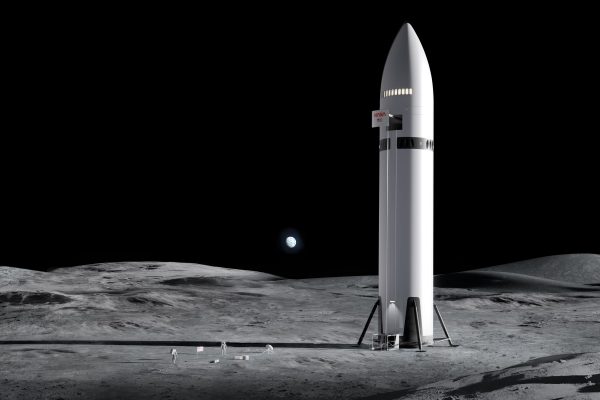
NASA has officially cancelled the Exploration Upper Stage (EUS) program, a move signaling a shift in focus for the agency’s lunar exploration strategy. Despite significant investment, the EUS did not advance NASA’s goal of landing astronauts on the Moon.
Background of the Exploration Upper Stage Program
The Exploration Upper Stage was conceived as a powerful new rocket stage intended to boost NASA’s heavy-lift capabilities for Artemis missions. The goal was to enhance payload delivery and support crewed lunar landings. However, over time, technical challenges and evolving mission requirements raised questions about the program’s viability and impact on overall timelines.
Reasons for Cancellation
NASA’s decision to halt the EUS came after it became clear that the program was not contributing effectively to the immediate lunar landing objectives. The upper stage’s complexity, cost, and delays diminished its value relative to alternative propulsion and mission architectures. Additionally, prioritizing other key technologies and launch systems was deemed more critical to achieving Artemis goals.
Future Directions for NASA’s Lunar Exploration
With the EUS program cancelled, NASA is redirecting resources toward enhancing other aspects of the Artemis program. These include advancing the Space Launch System (SLS) core stages, developing lunar landers, and accelerating deep-space exploration technologies. The agency remains committed to landing astronauts on the Moon sustainably and laying the groundwork for future Mars missions.
Implications for Space Exploration
The discontinuation of the Exploration Upper Stage highlights the challenges of developing new spaceflight technologies and the need for adaptable mission planning. While it marks the end of one approach, it opens doors for innovation in propulsion and spacecraft design that better align with NASA’s strategic priorities.