A novel hypothesis in evolutionary biology proposes that vertebrate eyes differ significantly from those of other animals because their ancestors lost eyes entirely and then evolved new ones from scratch. This challenging perspective offers fresh insights into the origins and development of complex visual systems in vertebrates.
Background on Vertebrate Eye Evolution
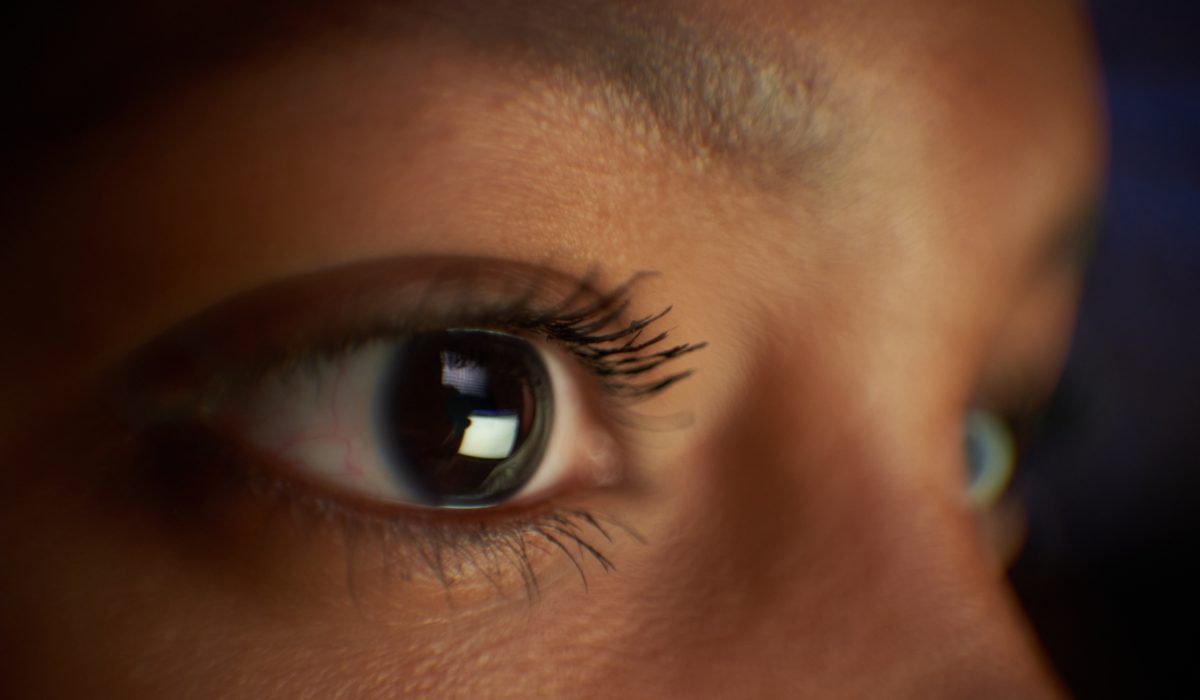
Vertebrate eyes are known for their complexity and unique structure compared to the eyes of invertebrates. Traditional evolutionary models suggest a gradual improvement and diversification of eyes from simple light-sensitive cells common in early animals.
However, the distinct anatomy and developmental pathways found in vertebrates have long puzzled scientists, as these features do not easily fit into a single linear evolutionary framework shared with invertebrates.
The New Hypothesis: Eye Loss and Reconstruction
The new theory suggests that early vertebrate ancestors underwent a complete loss of eyes at some point in their evolution. Following this loss, the eyes reemerged through a novel developmental process, effectively rebuilding from the ground up.
This explains some of the fundamental differences in how vertebrate eyes develop compared to invertebrate eyes, including differences in the embryonic origin of the retina and other eye structures.
Evidence Supporting the Hypothesis
Comparative developmental biology and genetic studies provide some supporting evidence. In particular, the molecular pathways controlling eye formation in vertebrates appear distinct and involve different gene networks than those in invertebrates.
Further, fossil records indicating periods of eye regression in some jawless vertebrate lineages lend credence to the idea of ancestral eye loss followed by later reemergence and evolution.
Implications for Understanding Eye Evolution
If vertebrate eyes did indeed arise through a rebuilding process rather than continuous modification, it would reshape the understanding of sensory organ evolution. It highlights the potential for complex organs to be lost and reinvented over evolutionary timescales.
This insight could also influence research on genetic eye diseases and regenerative medicine by revealing fundamental developmental pathways unique to vertebrates.
Future Research Directions
Scientists aim to further test this hypothesis through advanced genetic and embryological studies in both vertebrate and invertebrate species. Clarifying the exact timing and mechanisms of the hypothesized eye loss and regeneration events remains a primary goal.
Continued fossil discoveries and improvements in molecular techniques may offer additional evidence to either support or challenge this new framework for vertebrate eye evolution.