Nothing has unveiled its latest smartphone, the Phone 4a Pro, marking a significant step up in premium design and capabilities while maintaining a competitive midrange price point. The device introduces a sleek aluminum unibody and several enhancements to the display, cameras, and software.
Design and Build Quality
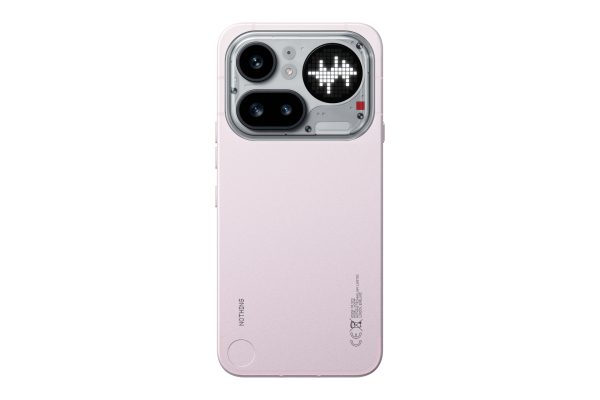
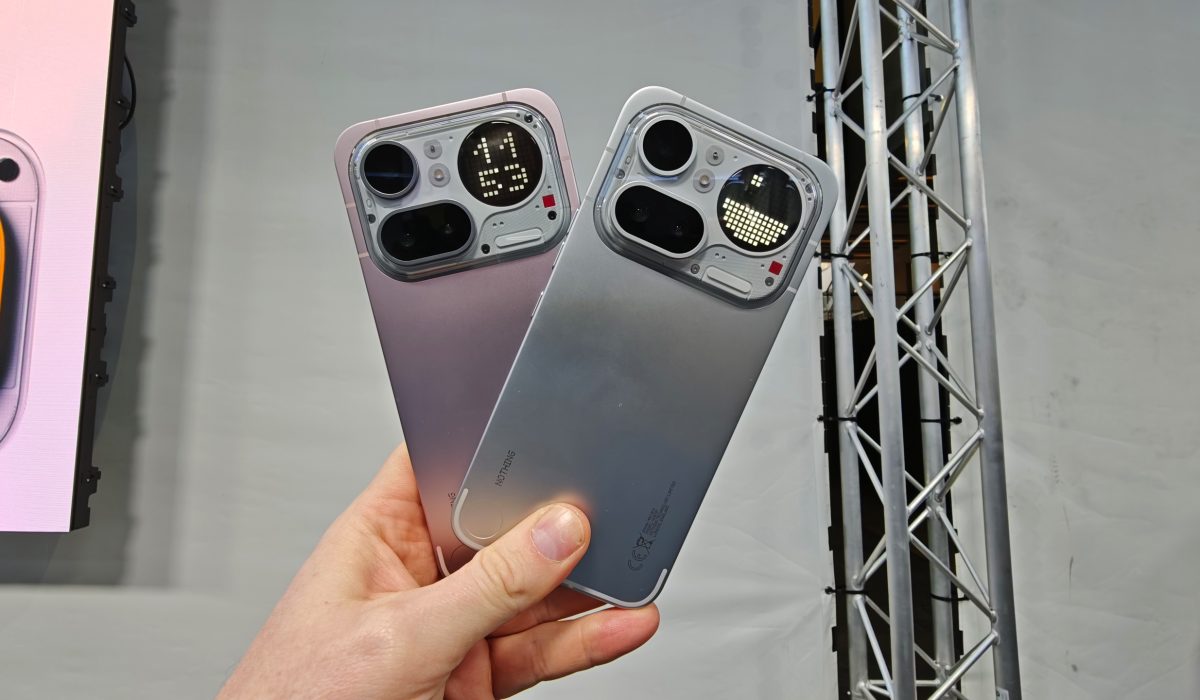
The Nothing Phone 4a Pro is touted as the thinnest full-metal phone available, measuring just 7.95mm thick. This iteration departs from the company’s previous models by adopting an aluminum unibody structure with refined retro-clear design elements. The new camera module features an oblong housing replacing the circular camera unit seen in the Phone 3a Pro, housing a triple-camera array and a reimagined Glyph Matrix for notifications and visual effects.
With a focus on delivering a luxurious feel, the 4a Pro appears significantly more premium compared to its predecessor and even some flagship models. It will be available in three color options: silver, black, and a subtle pink tone, giving users tasteful choices without sacrificing sophistication.
Display Enhancements
The device sports a 6.83-inch display that supports up to a 144Hz refresh rate, providing smoother visual performance over its previous versions. Additionally, the screen brightness peaks at an impressive 5,000 nits during HDR content playback — reportedly up to 66% brighter than the predecessor — ensuring clear visibility even in harsh lighting conditions.
The refreshed Glyph Matrix on the back, composed of 137 mini-LEDs, delivers double the brightness of the previous generation, although it lacks a dedicated Glyph Button, requiring users to adjust Glyph settings through the phone’s menu rather than with a physical button.
Camera Capabilities
Nothing has upgraded the Phone 4a Pro’s camera system with a new 50-megapixel Sony LYT-700C sensor that is 24% larger than the sensor used in the prior 3a Pro model. A telephoto sensor borrowed from the flagship Phone 3 rounds out the triple-camera array. The improvements facilitate faster autofocus that locks onto subjects more reliably without user intervention.
Additional features include a triple 12-bit Image Signal Processor enabling up to 140x ultra zoom and the integration of Action Mode for capturing up to 30 Ultra XDR images, a high dynamic range imaging technique co-developed with Google. These capabilities aim to elevate photo quality in challenging lighting environments and enhance creative flexibility for users.
Performance and Software
The Phone 4a Pro is powered by upgraded internals offering 27% faster CPU speeds and 30% enhanced graphics performance over its predecessor. It also incorporates flagship-tier LPDDR5X memory that doubles the speed of previous generations, though these improvements may not be immediately perceivable in everyday use.
Nothing continues to customize its OS with a fresh take on Android that allows users to revert to a stock Android experience if preferred. New features include adjustable home screen widget sizes, a custom lock screen, and notably smoother animations. Additionally, the phone debuts AI-powered Essential Search that scans the device broadly for content, alongside cloud-enabled Essential Space for seamless access to notes and voice recordings.
Market Position and Availability
The Phone 4a Pro is priced at $499, placing it competitively against devices like Google’s Pixel 10a and mid-tier Samsung flagships. The device tries to balance premium hardware and aesthetics with affordability, although some design choices may seem less adventurous compared to previous model offerings.
Pre-orders are now open through official channels, with sales commencing on March 27. Early impressions suggest that the Phone 4a Pro offers strong value for users seeking a stylish and capable smartphone without venturing into flagship price territory. A full review is expected to provide deeper insights into its long-term performance and user experience.