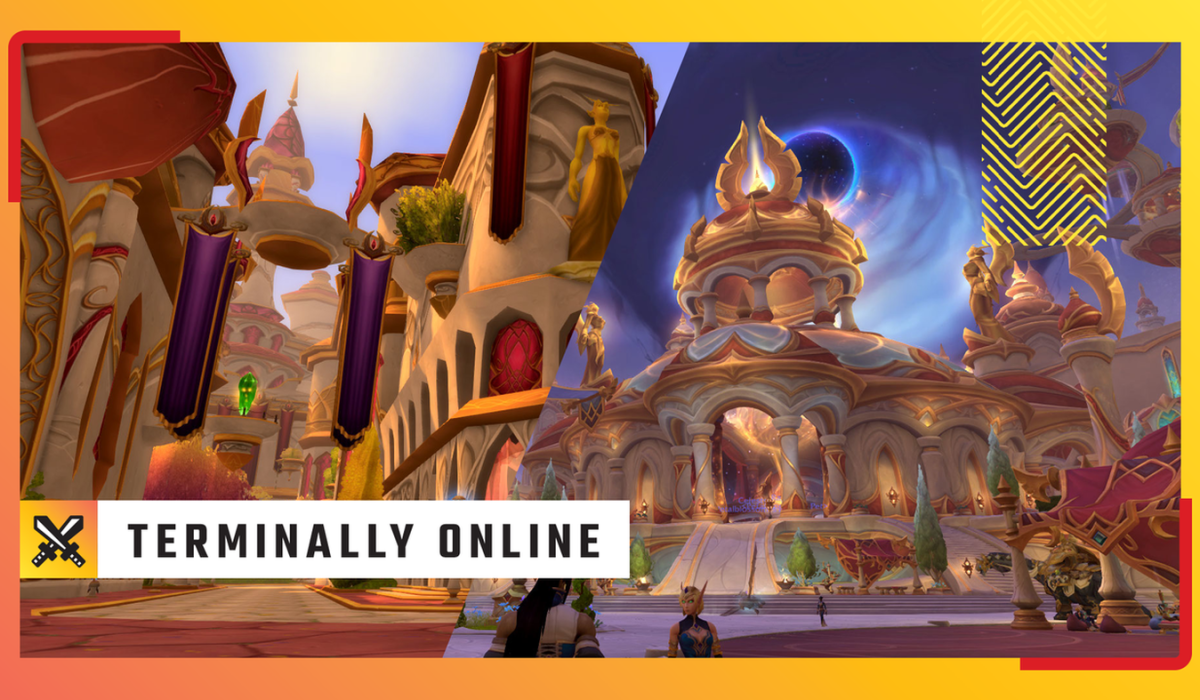
World of Warcraft’s latest update, featuring a detailed revamp of Silvermoon for the Midnight expansion, has received praise for its immersive design, leading to broader discussions about the traditional MMO strategy of introducing new continents every few years.
The Silvermoon Revamp: A Closer Look
The recent update to Silvermoon, one of WoW’s iconic zones, brings significant visual and gameplay improvements. Enhanced textures, revamped architecture, and subtle environmental changes help to deepen the atmosphere of this beloved city.
Players have noted that the changes feel both fresh and respectful of the zone’s original aesthetic, making the experience feel like a revisiting of a familiar home rather than a wholly new place. This has contributed to renewed player interest in an older section of the game.
Impact on Player Engagement
The positive reception of Silvermoon’s update suggests that enhancing existing content can be as engaging as unveiling completely new zones. Many players express enjoyment from spending more time in refined classic areas rather than constantly moving towards new continents.
This trend might point to a desire for more depth and storytelling continuity within known locations instead of broad expansion that requires frequent adaptation to unfamiliar settings.
Rethinking MMO Expansion Strategies
Traditionally, MMOs like World of Warcraft have relied on releasing entirely new continents or regions every 2-3 years to maintain player interest. However, this strategy often demands significant time investment to explore and level in new areas.
The success of Silvermoon’s revamp indicates that developers might reconsider this approach, opting instead to rejuvenate existing areas with rich detail and meaningful content updates, which can create a more sustainable player experience.
Challenges and Opportunities
Revamping older zones can pose design challenges, such as balancing nostalgia with modern visual and gameplay standards. Ensuring that old zones remain relevant to the current game’s mechanics and storylines requires substantial development resources.
On the other hand, revisiting and enhancing familiar areas presents opportunities to deepen lore, improve player immersion, and build stronger community connections by fostering shared memories and experiences.
The Future of WoW and MMO Content Development
It remains to be seen whether Blizzard and other MMO developers will pivot from the expansion-of-new-territory model to a model emphasizing content refinement and enhancement. However, player reactions to the Silvermoon update provide a promising indication that such a shift could enhance player satisfaction.
As the MMO genre evolves, balancing new content creation with the refinement of existing worlds might become a key factor in retaining long-term player engagement and revitalizing classic gameplay areas.