Several leading technology and artificial intelligence companies have committed to a new federal initiative aimed at preventing increases in electricity costs linked to the expansion of AI data centers. The White House announced this effort, known as the Ratepayer Protection Pledge, which involves industry giants such as Amazon, Google, Meta, Microsoft, OpenAI, Oracle, and xAI.
Overview of the Ratepayer Protection Pledge
The Ratepayer Protection Pledge represents a voluntary agreement by major tech companies to adopt measures that protect residential consumers from rising electricity bills caused by growing energy demands of AI data centers. The pledge requires participants to build, procure, or invest in additional energy resources to meet their new power needs without displacing existing demand on the grid.
Under this agreement, the companies also commit to covering the full costs of new energy supplies and any necessary upgrades to power infrastructure. These provisions are designed to ensure that the financial burden of increased electricity consumption does not fall on ratepayers or local communities.
Industry Participation and Public Announcements
Amazon, Google, and Meta each released coordinated press statements applauding the pledge and highlighting their ongoing efforts to minimize environmental and economic impacts related to data center energy use. Their public communications emphasize investments in renewable energy projects and efficiency improvements as part of a broader strategy to support sustainable AI development.
Other signees such as Microsoft, OpenAI, Oracle, and xAI have also endorsed the pledge, signaling widespread industry acknowledgment of the need to manage the energy footprint of AI infrastructure responsibly.
Limitations and Questions About Enforcement
Despite its intentions, the Ratepayer Protection Pledge is non-binding and lacks explicit enforcement mechanisms or penalties for non-compliance. There is no formal regulatory oversight ensuring companies adhere to the agreement’s commitments, raising questions about the long-term effectiveness of the pledge in controlling electricity cost impacts.
Critics point out that without clear accountability structures, the pledge largely depends on voluntary compliance and industry goodwill, which may be insufficient to protect consumers fully as demand for AI-powered services and data centers continues to escalate.
Broader Impact Considerations
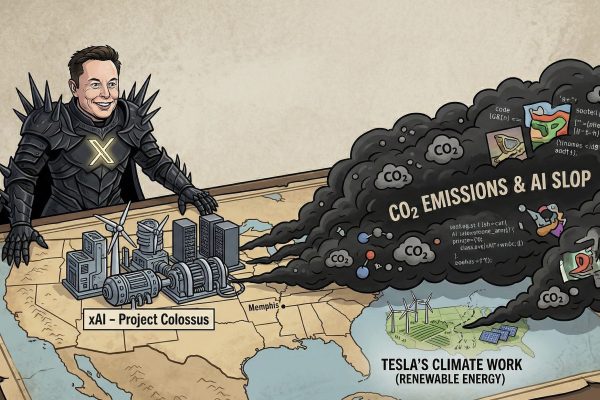
The pledge focuses narrowly on electricity costs but does not directly address other issues related to expanding data center operations. For instance, there is growing concern about the environmental effects on local communities, such as noise pollution from power plants supporting data centers, or the strain on other utilities and natural resources.
Additionally, the rapid deployment of AI infrastructure can create challenges for critical computing resource availability, including memory components like RAM, affecting overall technology supply chains and other sectors reliant on these materials.
Future Outlook and Industry Responsibility
As AI continues to grow and data centers expand globally, this pledge marks an initial step toward acknowledging the energy demands of AI technology. However, more comprehensive and enforceable policies may be necessary to balance technological progress with environmental sustainability and consumer protection.
The collaboration among major AI and tech companies on these issues could serve as a foundation for stronger commitments and regulatory frameworks in the future, ensuring innovation does not come at the expense of electricity affordability and community well-being.