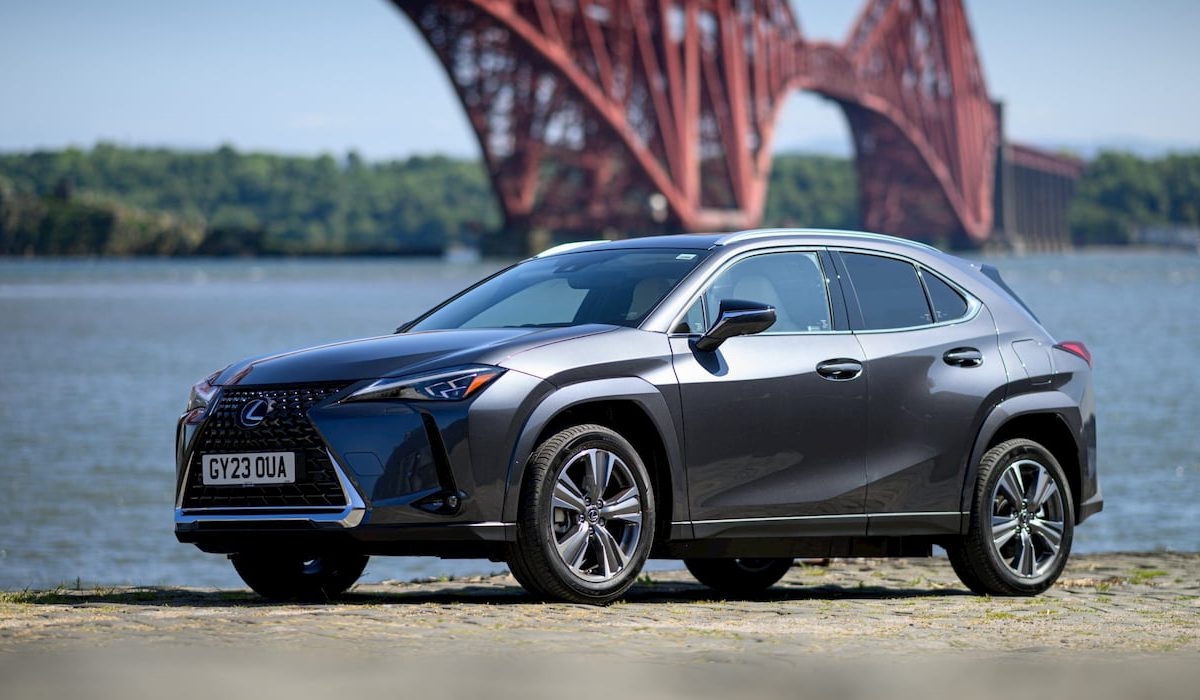
Lexus, Toyota’s luxury division, has announced the discontinuation of its first electric SUV, the UX 300e, signaling a strategic shift in its electric vehicle lineup. The brand will focus on its newer electric model, the RZ, with plans to introduce another EV by 2026.
Lexus Ends Production of UX 300e
The UX 300e marked Lexus’s initial foray into the fully electric vehicle market. Despite its pioneering status as the brand’s first 100% electric model, Lexus has decided to cease production of the UX 300e. The decision reflects shifting market dynamics and the company’s evolving electric vehicle strategy.
This move highlights Lexus’s intent to refine its electric offerings and focus on more advanced and appealing models that better meet consumer expectations and competitive demands.
Current Electric Vehicle Offering: The Lexus RZ
With the discontinuation of the UX 300e, the Lexus RZ remains the sole fully electric vehicle in the brand’s current lineup. The RZ represents Lexus’s continued commitment to electrification and embodies newer technology and design philosophies distinct from the UX 300e.
The RZ is positioned as a more modern and capable electric SUV, featuring advancements in battery technology, driving range, and onboard amenities compared to Lexus’s earlier models.
Upcoming Electric Vehicle Launch in 2026
Lexus plans to expand its electric vehicle portfolio with a new model scheduled for release in 2026. While details on the upcoming EV remain limited, the announcement signals the brand’s renewed focus on electric mobility.
This new electric vehicle is expected to incorporate the latest developments in battery and electric drivetrain technology, promising improvements in performance, efficiency, and luxury features characteristic of the Lexus brand.
Strategic Implications for Lexus and Toyota
This transition underscores a broader strategy adopted by Toyota and its luxury division to accelerate the shift toward electrification. By retiring older models and rolling out new EVs, Lexus aims to capture a larger share of the growing electric vehicle market.
Moreover, the move aligns with global industry trends and regulatory pressures pushing automakers to reduce emissions and invest heavily in electric vehicle technologies over the coming decade.
Market Reaction and Competitor Landscape
The electric SUV market has become fiercely competitive, with numerous luxury automakers introducing advanced EVs. Lexus’s decision to phase out the UX 300e reflects the necessity to stay relevant and competitive with offerings from Mercedes-Benz, BMW, Audi, and Tesla.
Consumers now expect high performance, extended range, and luxury features in electric SUVs, and future Lexus EVs will have to meet or exceed these standards to succeed in the market.