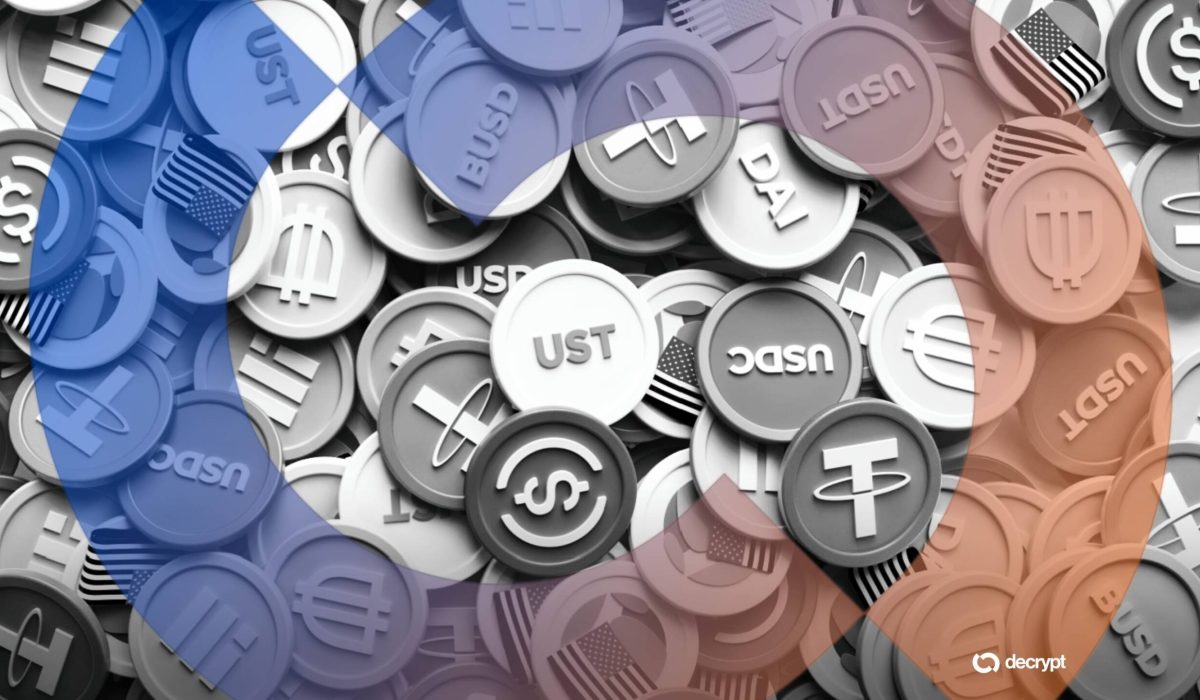
The Financial Action Task Force (FATF), an intergovernmental organization focused on combating money laundering and terrorism financing, has raised concerns about peer-to-peer stablecoin transfers. It has identified these transfers as a significant vulnerability and urged issuers to integrate enhanced controls into their smart contracts.
FATF’s Concerns Over Peer-to-Peer Stablecoin Transactions
The FATF recently emphasized that peer-to-peer transfers of stablecoins represent one of the highest money laundering risks within the digital asset space. These transactions can facilitate anonymous movement of funds without centralized oversight, creating opportunities for illicit activities.
Unlike fiat currency or traditional banking systems, peer-to-peer blockchain transactions often lack robust identification and monitoring mechanisms, making them attractive for illicit transfers.
Call for Built-in Controls in Smart Contracts
To mitigate these risks, the FATF recommends that stablecoin issuers embed freeze and deny-list capabilities directly into their smart contracts. Such embedded controls would enable real-time intervention to block or suspend suspicious transactions automatically.
This approach is designed to enhance regulatory compliance while maintaining the decentralized benefits of blockchain technology, providing a balance between security and innovation.
Implications for Stablecoin Issuers and Users
Issuers may need to redesign stablecoins to comply with this guidance, incorporating features that allow regulatory authorities greater oversight without exposing user data indiscriminately.
For users, this could translate into increased scrutiny during transfers and potentially slower or restricted transaction capabilities in scenarios flagged as high risk.
Broader Regulatory Trends in Digital Assets
The FATF’s stance aligns with a growing global effort to establish clearer regulatory frameworks for cryptocurrencies and stablecoins. Governments and regulators are seeking ways to prevent misuse without stifling innovation within the blockchain industry.
These measures reflect increased cooperation between financial authorities and blockchain developers to create safer and more transparent digital asset ecosystems.
Future Outlook and Industry Response
Stablecoin issuers, blockchain developers, and regulators are expected to collaborate in crafting technical solutions that comply with FATF recommendations. Innovations in smart contract design and compliance protocols will be key.
Industry stakeholders will need to monitor evolving guidelines closely to ensure that digital assets remain viable while addressing critical risks related to money laundering and illicit financing.