As the landscape for residential energy evolves, battery storage systems are emerging as a critical component of home energy management. Changes in net metering policies combined with rising electricity costs are encouraging homeowners to retain and use excess solar power rather than selling it back to the grid.
Changing Net Metering Policies Impact Solar Economics
Net metering has long allowed homeowners with rooftop solar panels to sell surplus electricity back to utilities, effectively offsetting their energy costs. However, utilities and regulators across various regions are revising these policies, often reducing the compensation rates for exported power.
These adjustments make it less financially attractive to rely solely on net metering incentives. For many solar owners, this shift is prompting a rethink of how best to use the energy their systems generate, highlighting the growing role of onsite energy storage solutions.
Rising Energy Prices Drive Demand for Self-Consumption
As electricity prices continue to rise due to inflation, infrastructure costs, and energy market dynamics, homeowners are seeking ways to maximize the value of their solar generation. By storing energy in home batteries, they can use power during expensive peak times and reduce dependence on the utility grid.
This approach allows consumers to optimize their energy usage and potentially save more money, rather than relying on lower net metering payouts, which are less advantageous in the current market.
Advancements in Battery Technology Enable Widespread Adoption
Technological improvements and decreasing costs in battery storage systems have made home energy storage more accessible to the average consumer. Modern lithium-ion batteries offer longer life, higher efficiency, and more capacity than earlier models.
These advances enable homeowners to integrate energy storage seamlessly with their solar panels, creating a more resilient and flexible energy ecosystem within their own homes.
Automakers and Energy Companies Collaborate on Home Storage Solutions
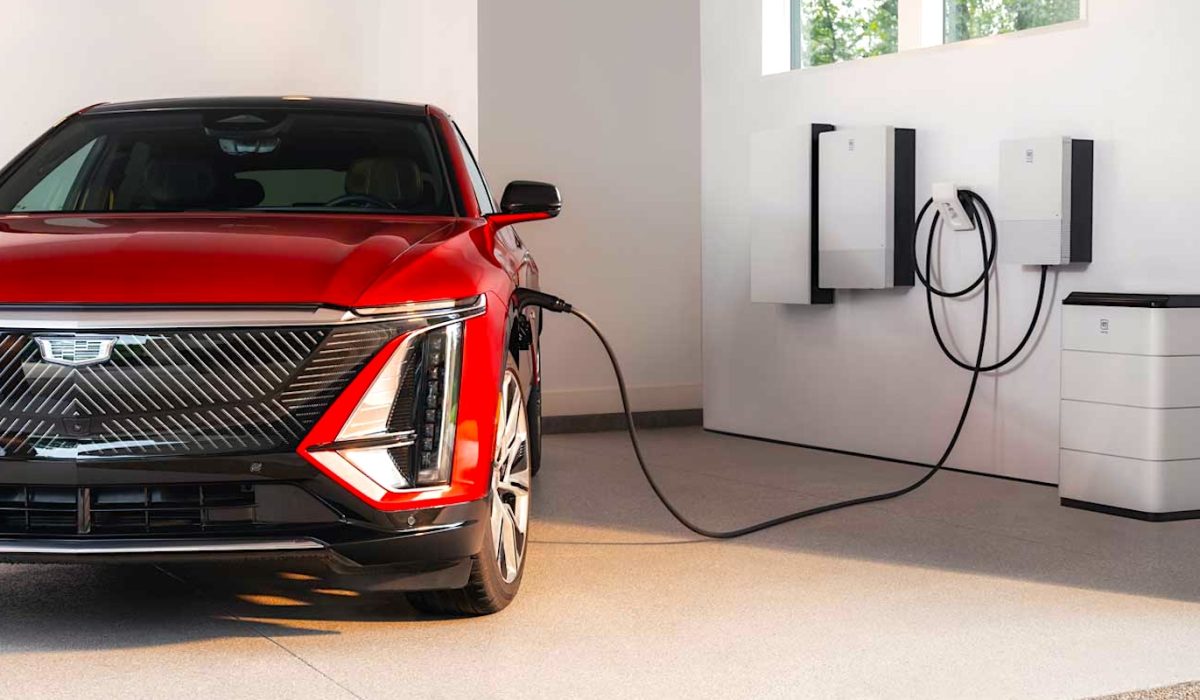
Several automakers, especially those specializing in electric vehicles, are expanding their offerings to include home energy products such as battery storage units. These companies leverage their expertise in battery technology to provide integrated energy solutions.
Partnerships between automotive manufacturers and energy providers aim to offer consumers comprehensive products that combine electric vehicles, solar panels, and battery storage for a fully connected energy experience.
Future Outlook: Batteries as the New Norm in Residential Energy
With evolving policies and economic incentives, battery storage is poised to become a standard feature in home energy systems. Homeowners value the independence and cost savings enabled by managing their energy onsite.
As battery technologies continue to improve and prices fall, the trend toward self-consumption of solar power will likely accelerate, reshaping how residential energy is produced, stored, and consumed across the country.