
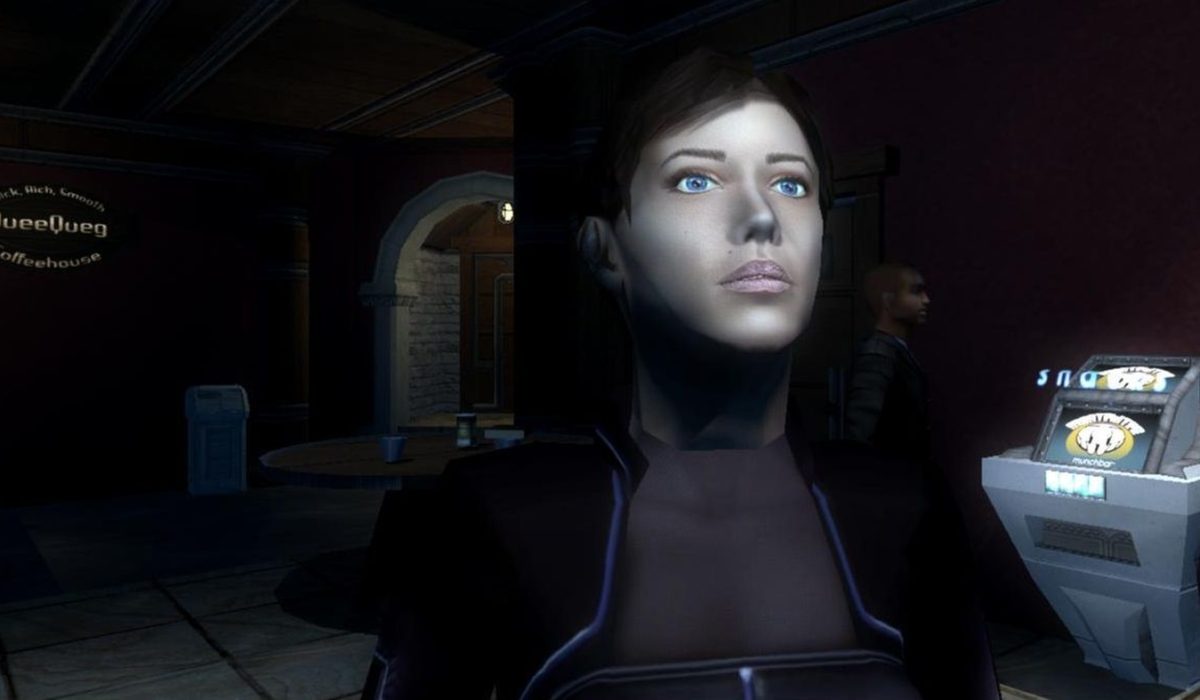
Deus Ex: Invisible War, released in 2003, often divides opinion among fans of the original Deus Ex series. Despite its mixed reception, the game carries unique features and a distinctive vision that deserve a re-examination in the gaming community.
Background and Legacy of the Deus Ex Series
The Deus Ex series is renowned for its deep narrative, role-playing elements, and immersive gameplay that blend cyberpunk themes with player choice. The original Deus Ex, launched in 2000, set a high standard for story-driven games with multiple ways to approach objectives. Invisible War was the follow-up, aiming to expand the franchise’s reach to a broader audience and new platforms, including consoles.
While the first game remains a cult classic, Invisible War’s changes brought it criticism but also interesting innovations that helped evolve the franchise’s identity. This installment further explored societal themes, including the impact of technology on human freedom and ethical dilemmas.
Design Choices That Sparked Debate
Invisible War introduced a streamlined gameplay approach and altered character customization systems, including a new resource-based upgrade mechanism replacing the original’s extensive augmentations. These changes were intended to simplify player experience but ended up alienating some fans who preferred the depth of the original mechanics.
The game also featured a more centralized narrative and world design, with less sprawling maps but tighter storytelling. This shift reflected a design choice to appeal to players new to the genre and on platforms less suited to expansive PC-style RPGs.
Thematic and Narrative Contributions
Invisible War pursued complex themes related to power, control, and technology’s influence on society, continuing the series’ tradition of social commentary. The unique setting emphasized a post-apocalyptic world dealing with global resource scarcity and political intrigue.
This installment also explored the tension between opposing factions, highlighting the ambiguity in motives and the idea that technology can be both a tool of liberation and repression. These themes resonate with ongoing discussions in society and technology ethics today.
Reception and Impact on Future Titles
Initial reactions to Deus Ex: Invisible War were mixed, with some praising its ambition and narrative, while others criticized gameplay and technical limitations on consoles. Over time, however, the game has gained respect for its willingness to experiment within an established franchise.
Invisible War’s design lessons influenced later titles in the series, as well as other RPGs that seek to balance accessibility and depth. The game remains a point of reference when discussing how franchises evolve in response to new audiences and technology constraints.
The Importance of Balance in Gaming Experiences
As reflected in ongoing debates about Invisible War, the gaming community often divides between purists favoring complexity and those advocating for streamlined accessibility. Both perspectives have valid contributions, and blending the best aspects of each can enrich future game development.
Ultimately, Deus Ex: Invisible War serves as a reminder of the value in embracing experimentation and diverse approaches within gaming, encouraging thoughtful dialogue about design choices and player experience in an evolving industry.