
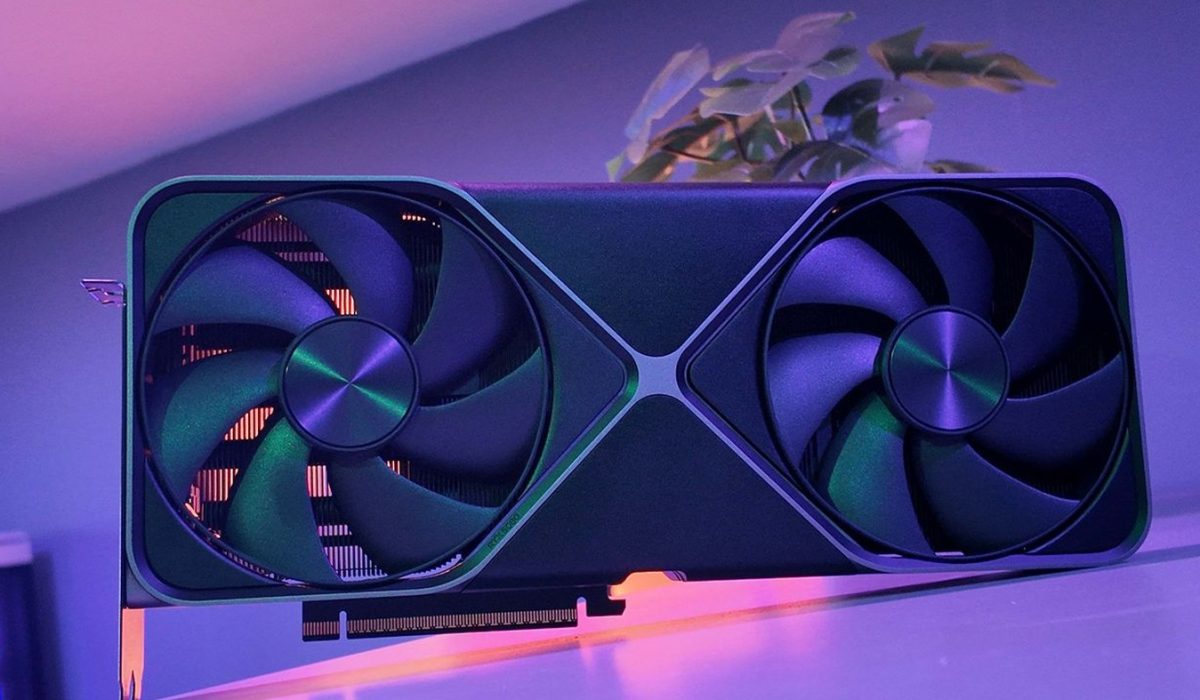
Recent market research reveals a decline in graphics card purchases among gamers, with Nvidia solidifying its dominant position, capturing roughly 94% of the GPU market share, while AMD’s share has dramatically decreased to about 5%.
Decline in Graphics Card Purchases
Data from the latest report indicates that fewer gamers are updating or acquiring new graphics cards compared to previous years. Various factors, including economic slowdown and improved longevity of current hardware, contribute to this trend. The reduced demand has had a noticeable impact on GPU sales globally.
This trend suggests that gamers may be waiting longer before upgrading or potentially shifting focus to other gaming hardware or platforms. The decline also reflects market saturation and the challenges manufacturers face in driving replacement cycles.
Nvidia’s Market Dominance
Nvidia has strengthened its grip on the GPU market with a commanding share of approximately 94%. This significant lead results from successful product launches and high-performance GPUs that continue to appeal to gamers and professionals alike.
Nvidia’s strategic pricing, availability, and support for the latest gaming technologies have further consolidated its position against competitors, leaving AMD struggling to maintain its foothold in the GPU industry.
AMD’s Market Share Decline
AMD’s share of the graphics card market has fallen considerably, dropping to around 5%. The company has faced challenges in competing with Nvidia’s newer GPU architectures and supply issues that have limited AMD’s ability to capture a larger part of the market.
While AMD continues to develop competitive products, the loss in market share highlights the difficulties in regaining momentum amid strong competition and shifting consumer buying behaviors.
Factors Influencing Market Trends
Several factors are influencing the current GPU market dynamics. Supply chain disruptions, chip shortages, and shifting gamer priorities have all played a role in slowing down graphics card purchases. Additionally, improvements in existing GPU performance and the rise of cloud gaming services may be impacting demand.
Economic uncertainty and inflationary pressures can also lead to delayed purchases as consumers become more cautious with discretionary spending, affecting the overall market volume for graphics cards.
Outlook for the GPU Market
Industry analysts predict that the GPU market may stabilize or grow gradually as new gaming technologies emerge and demand for high-performance GPUs continues in certain segments, such as AI and professional content creation. However, the dominance of Nvidia is expected to persist in the near term.
The competitive landscape may shift if AMD and other players introduce innovative products or improve supply chain efficiencies, potentially altering buyer preferences and market shares in the future.