Donut Lab has released additional independent test results for its solid-state battery, demonstrating the cell’s ability to discharge at extreme temperatures up to 100°C while gaining capacity. This latest report supports some of the company’s claims following earlier validation of fast-charging capabilities.
Background on Donut Lab’s Solid-State Battery
Donut Lab is developing a solid-state battery technology that aims to revolutionize energy storage, particularly for electric vehicles (EVs). Solid-state batteries offer potential benefits such as improved energy density, enhanced safety, and longer lifespans compared to conventional lithium-ion batteries.
The technology promises ultra-fast charging and operation in a broad temperature range, which are critical parameters for automotive applications. Independent verification of these claims is essential for industry adoption and investor confidence.
Details of the High-Temperature Discharge Test
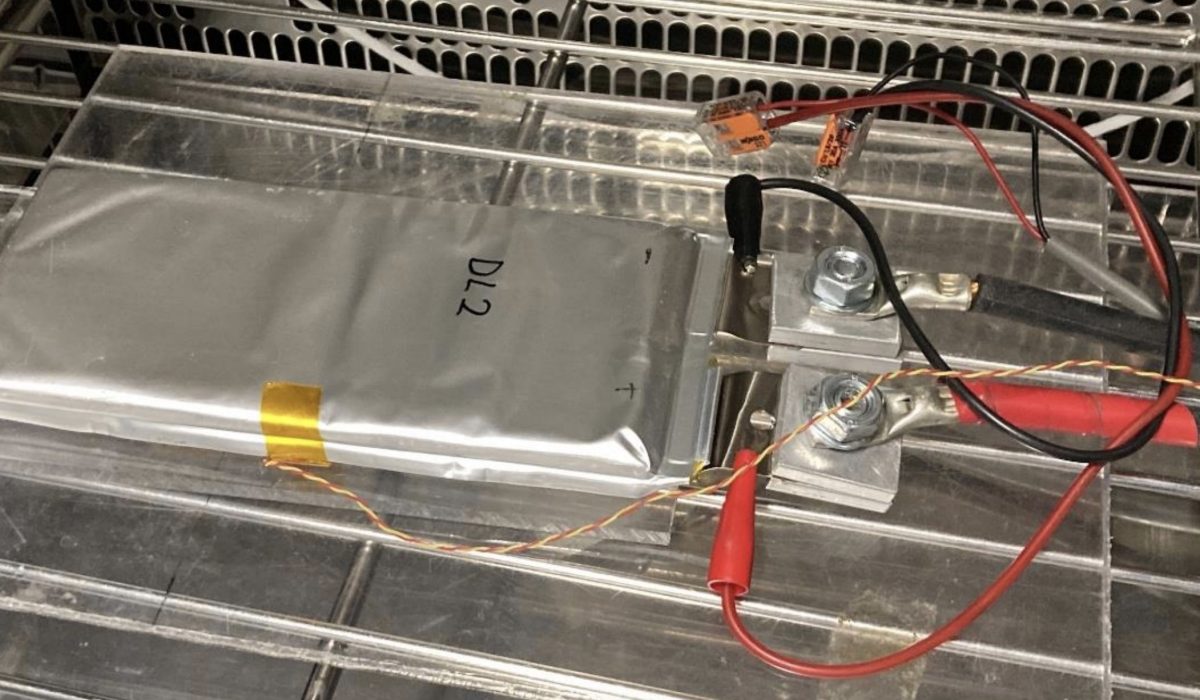
The recent test was conducted by VTT, an independent research center, focusing on the battery’s performance at elevated temperatures. The battery was subjected to continuous discharge cycles at 100°C to evaluate stability and capacity retention under extreme heat conditions.
Surprisingly, the results showed not only stable discharge behavior but also an increase in capacity during these high-temperature tests. This finding indicates the battery’s potential reliability and performance advantages for use in harsh thermal environments.
Comparison with Previous Fast-Charging Tests
This test follows a prior VTT report highlighting the battery’s ability to fast-charge from 0 to 80% in just 4.5 minutes. Both sets of findings contribute valuable independent evidence toward Donut Lab’s claims, strengthening its position in the competitive battery technology market.
Fast-charging performance combined with high-temperature tolerance could offer EV manufacturers significant benefits in design flexibility and operational safety, helping overcome current limitations of lithium-ion technology.
Unverified Claims and Industry Skepticism
Despite promising data from independent labs, some of Donut Lab’s most extraordinary specifications remain unverified by third parties. The battery industry remains cautious until comprehensive, peer-reviewed studies confirm the full range of performance metrics.
Battery developers and automotive companies are carefully observing progress, as solid-state technology faces many challenges in scalability, cost, and manufacturing consistency.
Implications for the Electric Vehicle Market
If Donut Lab’s solid-state battery technology fulfills its promises, it could lead to major advancements in EV range, charging speed, and safety. Enhanced thermal stability would allow vehicles to operate more efficiently in extreme climates without costly cooling systems.
The industry eagerly awaits further data and transparent evaluations to determine the true commercial viability of these batteries and their potential impact on the future of electric mobility.