Tenways, a rapidly growing European manufacturer specializing in budget-conscious electric commuter bikes, has announced its intention to go public with a listing on the Hong Kong Stock Exchange. This move marks a key milestone in the company’s expansion strategy as the global demand for affordable electric mobility solutions continues to rise.
Company Background and Market Position
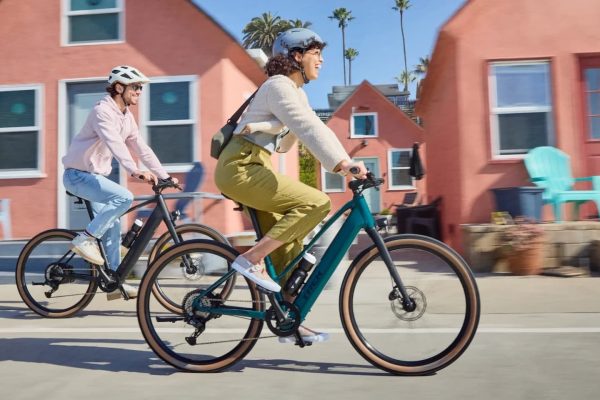
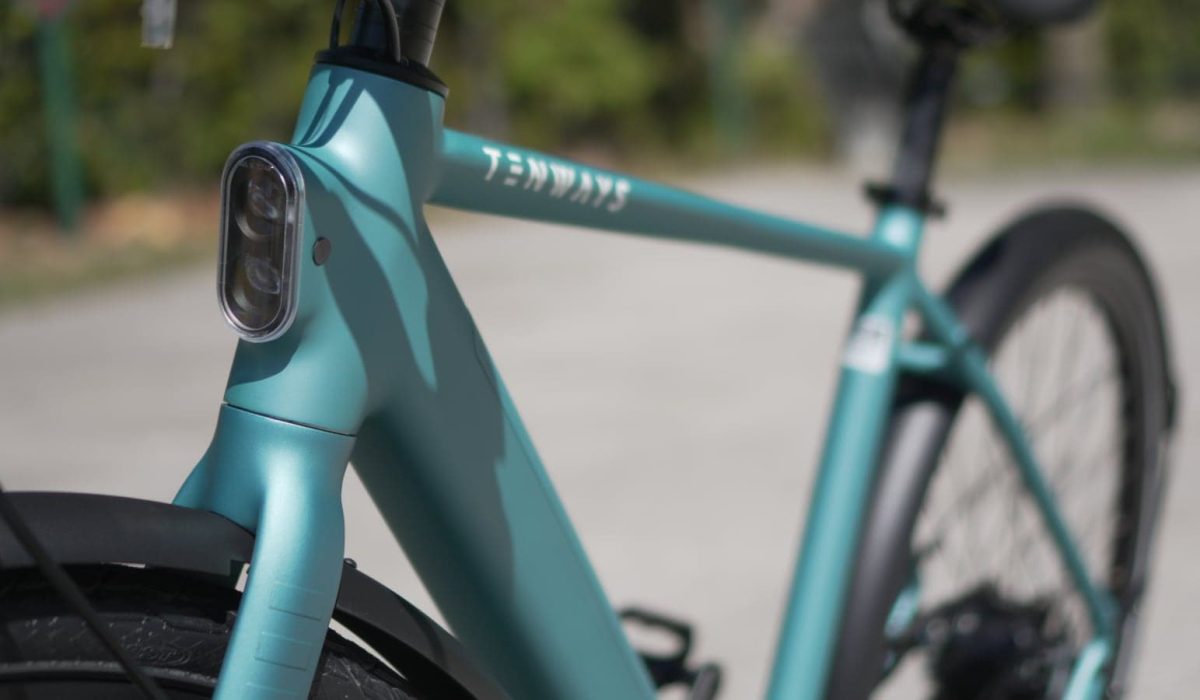
Tenways has built a strong reputation in Europe by offering competitively priced electric bicycles that cater to urban commuters seeking accessible, eco-friendly transportation alternatives. Established in recent years, the company has rapidly expanded its market share amid rising interest in micromobility options. Tenways focuses on simplicity, reliable performance, and affordability, setting it apart from high-end EV competitors.
Its product lineup emphasizes lightweight designs and practical features, appealing especially to daily commuters who want a cost-effective solution to navigate congested city streets without relying on traditional automotive vehicles. With increased urbanization and environmental awareness, Tenways taps into shifting consumer preferences towards sustainable transport.
Details of the IPO
Tenways has officially filed for a main board listing on the Hong Kong Stock Exchange, preparing to offer shares to public investors. The IPO will provide capital that the company intends to use for expanding production capacity, research and development, and entering new geographic markets. A public listing is also expected to raise Tenways’ profile internationally and enhance its credibility among both retail and institutional investors.
While specific financial details and valuation have not been disclosed, industry observers consider the IPO a strategic move to capitalize on increasing investor enthusiasm for clean mobility and electric vehicle-related ventures. The Hong Kong listing is chosen for its access to Asian markets and investor base familiar with mobility technology developments.
Electric Bike Industry Trends
The global electric bike market is experiencing robust growth, driven by factors including urban congestion, environmental regulations, and consumer demand for alternative transportation methods. Governments worldwide are implementing policies encouraging the use of electric bikes as a sustainable commuting option. This macroeconomic backdrop offers a favorable environment for companies like Tenways.
Technological advancements in battery technology, motor efficiency, and product design continue to enhance the usability and appeal of e-bikes. As a result, pricing pressures have decreased, enabling budget-friendly models to gain prominence. Tenways is positioned to benefit from these trends by targeting mid-range consumers who prioritize value over premium specifications.
Potential Challenges and Competition
Despite promising growth prospects, Tenways faces significant competition from established electric bike manufacturers and new entrants across both European and Asian markets. Brands with greater resources may compete aggressively on product features, price, and distribution networks. Moreover, supply chain disruptions and raw material costs could impact production and profitability.
Furthermore, regulatory environments vary by region, which requires adaptability and compliance from expanding companies. Tenways will need focused strategies to navigate these challenges while maintaining its competitive edge as a budget-friendly option.
Outlook for Tenways and the E-Bike Market
Tenways’ IPO is a clear indicator of confidence in the electric bike sector’s long-term viability. By securing public funding, the company is positioned to accelerate innovation, scaling, and market penetration. Continued urbanization, consumer trends favoring sustainability, and improving infrastructure for micromobility support a positive market outlook.
If successful, Tenways could emerge as a leading player within the commuter e-bike segment, providing wider access to affordable electric transportation and contributing to the shift away from fossil fuel-powered vehicles in crowded cities.
 Sophia Turner