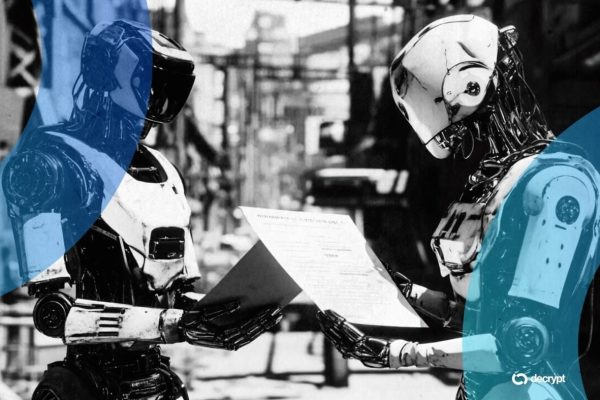

The integration of artificial intelligence into cybersecurity is reshaping the battlefield where hackers and defenders engage. Both sides are leveraging AI-driven automation to advance their strategies, signaling a new era in digital security where adaptability may determine the ultimate advantage.
AI-Powered Cyberattacks Increase in Sophistication
Hackers are increasingly employing AI technologies to automate and refine their cyberattack methods. By using machine learning algorithms, attackers can identify vulnerabilities faster, craft more convincing phishing campaigns, and bypass traditional security measures with greater efficiency.
This automation enables a higher volume of attacks with improved precision, making it harder for conventional defenses to keep up. AI tools can also adapt in real-time to changing security environments, making automated hacking activities more challenging to detect and mitigate.
Defenders Utilize AI to Strengthen Cybersecurity
In response, cybersecurity professionals are deploying AI-driven defensive systems to detect, analyze, and neutralize threats more rapidly than before. These systems can monitor vast amounts of network data to identify anomalous behavior indicative of cyberattacks.
Machine learning models improve continuously by learning from new threat patterns, allowing defenders to anticipate and counter sophisticated AI-generated attacks. The rise of AI-enabled defensive tools signals a proactive approach to an increasingly complex threat landscape.
The Race for Adaptation and Innovation
Experts suggest that the key factor in this emerging dynamic will not solely be the raw capabilities of AI models but the speed and efficiency with which each side adapts. Organizations that adopt and integrate AI quickly into their security frameworks are more likely to fend off attacks successfully.
This ongoing race underscores the importance of continuous innovation and agility in cybersecurity strategies, as static defenses become obsolete in the face of rapid AI-fueled evolution of attack methods.
Challenges and Ethical Considerations
While AI enhances both offense and defense in cybersecurity, it also introduces challenges such as potential biases in AI models and ethical concerns regarding autonomous responses to threats. Ensuring transparency and accountability in AI implementations is vital to maintaining trust and effectiveness.
Furthermore, the dual-use nature of AI technologies necessitates careful regulation and collaboration across industries and governments to prevent misuse and encourage responsible deployment.
Future Outlook for AI in Cybersecurity
As AI continues to evolve, its role in cybersecurity will deepen, potentially integrating with other emerging technologies such as quantum computing and advanced analytics. This convergence will further complicate the security landscape, demanding innovative solutions and skilled professionals.
The ongoing balance of power between attackers and defenders is likely to shape not only the future of cybersecurity but also the broader digital ecosystem impacting individuals, businesses, and governments worldwide.