
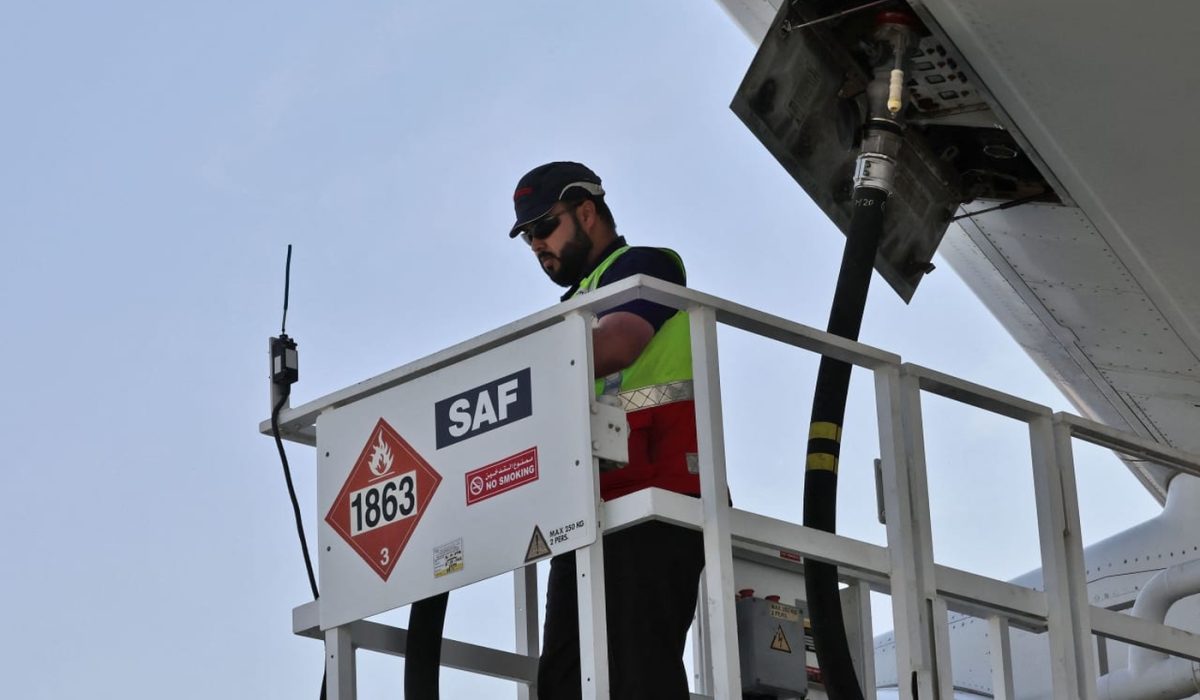
Airline stocks have experienced a significant decline as crude oil prices surged past $100 a barrel, raising concerns about travel demand amid escalating tensions in the Middle East.
Impact of Rising Oil Prices on Airlines
Fuel costs represent a major expense for airlines, often accounting for a significant portion of their operating costs. The sharp increase in crude oil prices directly affects airline profitability, driving concerns among investors.
As oil prices climb, airlines may face higher expenses that could lead to increased ticket prices. This in turn may reduce consumer demand for air travel, creating a challenging environment for the industry in the near term.
Travel Demand at Risk
The escalation of the Middle East conflict has intensified geopolitical risks, which typically dampen travelers’ willingness to book flights. Combined with higher fuel costs, this has created a potential tipping point where demand could sharply decline.
Analysts worry that further instability in the region will prolong uncertainty, discouraging both leisure and business travelers. A pullback in demand can negatively affect airline revenues and stock performance.
Investor Sentiment and Market Reaction
Financial markets have reacted quickly to the dual pressures of rising oil prices and geopolitical tensions. Airline stocks have seen a marked selloff as investors reassess the sector’s risk profile.
The volatility in airline shares reflects broader market apprehension about economic recovery in the travel sector following pandemic-related disruptions. Investors are closely watching developments in oil markets and geopolitical news for indications of future trends.
Outlook for the Airline Industry
The airline industry faces a challenging outlook as it balances recovering travel demand with cost pressures from elevated fuel prices. Airlines may need to adjust their strategies, including cost-cutting measures or fare adjustments, to navigate the uncertainty.
Longer-term impacts will depend on the resolution of geopolitical tensions and the trajectory of energy prices. Industry experts stress the importance of monitoring these factors to gauge potential recovery timelines.
Potential Mitigating Strategies
Some airlines are exploring fuel hedging strategies to manage volatility in oil prices. Hedging can help stabilize costs but may not fully offset sudden price spikes in the short term.
Additionally, there is growing interest in alternative fuels and more fuel-efficient aircraft to reduce dependency on volatile fossil fuel markets. However, these solutions represent longer-term investments rather than immediate fixes.