Amazon’s self-driving vehicle subsidiary, Zoox, has announced plans to begin testing its autonomous robotaxis in the cities of Dallas and Phoenix. This expansion marks a significant step in the company’s efforts to broaden the operational footprint of its autonomous vehicle technology across diverse environments.
New Testing Locations: Dallas and Phoenix
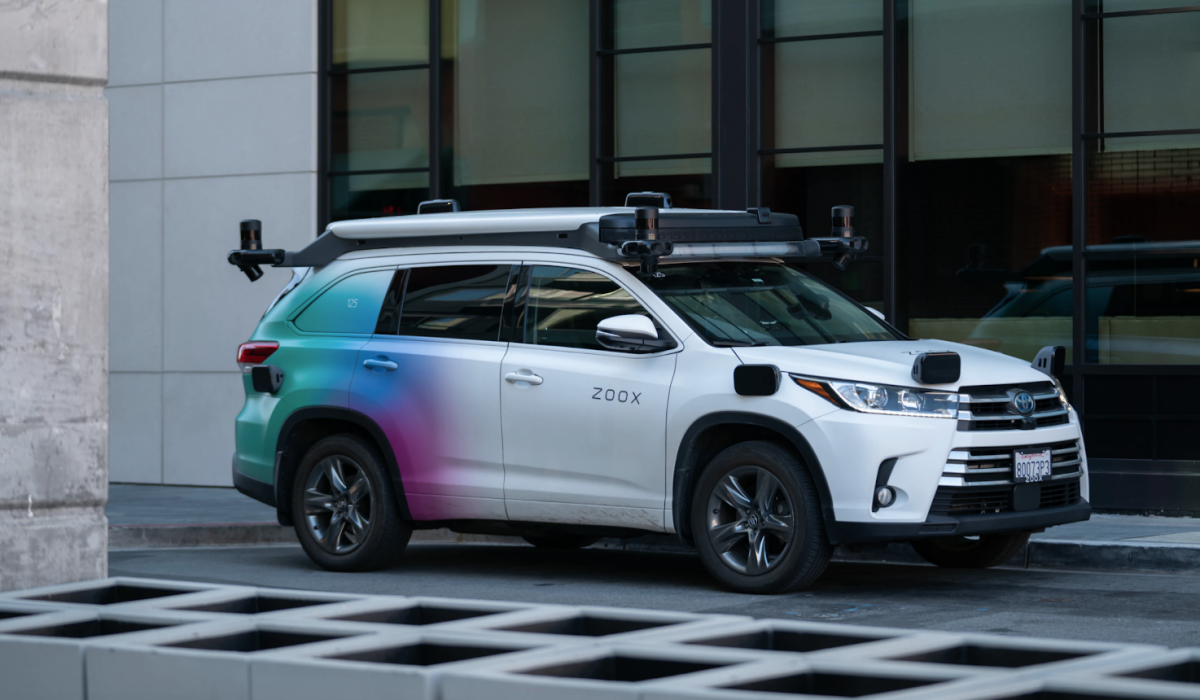
Zoox will deploy retrofitted Toyota Highlander SUVs equipped with human safety drivers to initially map and understand the unique driving conditions in Dallas and Phoenix. This preliminary testing will pave the way for the eventual deployment of Zoox’s purpose-built autonomous robotaxis in these markets.
The two cities offer distinct challenges: Phoenix features extreme heat, dust, and high-speed highways, while Dallas has sprawling roads and varied weather patterns not previously encountered in Zoox’s existing locations. These diverse conditions will allow Zoox to thoroughly evaluate its vehicle sensors and battery performance.
Expanding Infrastructure and Fleet Operations
To support its expansion, Zoox is establishing new depots in both Dallas and Phoenix and opening a command hub in Scottsdale, Arizona. This command center will be responsible for managing fleet operations, providing remote driving assistance, and offering rider support to enhance overall service reliability and safety.
The command hub’s establishment underscores Zoox’s commitment to operational control and quick response coordination, essential for safely scaling autonomous vehicle services in new urban environments.
Growth Across Multiple U.S. Cities
With the addition of Dallas and Phoenix, Zoox now operates or tests in a total of ten U.S. cities, including Las Vegas, San Francisco, Seattle, Austin, Miami, Los Angeles, Atlanta, and Washington, DC. This expansion reflects steady progress since Amazon’s acquisition of Zoox in 2020 for $1.3 billion.
To date, Zoox’s fleet has logged over one million autonomous miles and has served more than 300,000 riders, positioning the company as a prominent player in the robotaxi landscape.
Competitive and Regulatory Landscape
Zoox’s move comes amid intensifying competition in the autonomous vehicle sector. Competitors such as Alphabet-owned Waymo continue to expand their robotaxi services across multiple U.S. cities, and Tesla has launched limited robotaxi operations in Austin, Texas.
At the same time, regulatory frameworks for autonomous vehicles are struggling to keep pace with rapid technological advances and geographic expansion. Upcoming self-driving safety forums involving key industry players, including CEOs of Zoox, Waymo, and Aurora, highlight the need to address operational safety and regulatory compliance.
Safety Challenges and Public Concerns
Recent incidents involving autonomous vehicles have raised safety concerns. These include a Waymo vehicle striking a child near a school and automated vehicles obstructing emergency service responses. Additionally, some reports indicate that Tesla’s robotaxis may experience higher crash rates than human-driven vehicles.
These challenges emphasize the importance of cautious deployment and ongoing safety testing as Zoox and other companies expand their autonomous vehicle services across new markets.