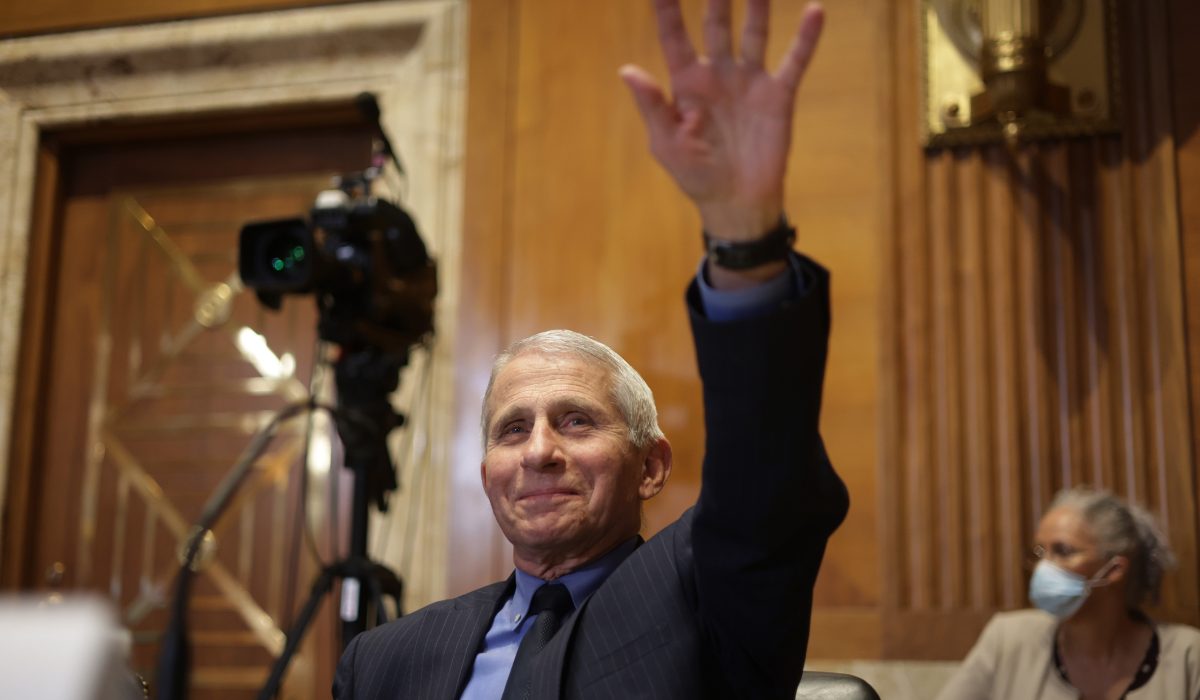
Recent surveys indicate that Americans continue to place higher trust in Dr. Anthony Fauci and career scientists over Robert F. Kennedy Jr. and former Trump administration officials, despite ongoing political controversies and public debates.
Public Trust in Dr. Anthony Fauci
Dr. Anthony Fauci, long recognized for his role as a leading infectious disease expert, maintains a significant level of public trust. Despite efforts by critics, including RFK Jr., to discredit him, Fauci’s reputation as a career scientist remains strong among many Americans. This trust reflects Fauci’s decades-long involvement in public health and his consistent communication during health crises.
The surveys show that Fauci is perceived as a knowledgeable and reliable figure, especially in matters relating to infectious diseases and vaccine guidance. Trust in Fauci also highlights the public’s preference for expertise grounded in scientific evidence over partisan or politically motivated narratives.
RFK Jr.’s Attempts to Undermine Fauci
Robert F. Kennedy Jr. has been a vocal critic of Fauci, frequently attempting to portray him in a negative light in public discourse. Despite these efforts, Kennedy’s messages have not significantly shifted public opinion away from Fauci. Analysts suggest that this may be due to the broader skepticism of anti-science rhetoric among segments of the population.
Efforts to vilify Fauci have also sparked debate over the role of misinformation in public health discourse. The persistent divide highlights challenges in communicating science effectively to a diverse audience with varying beliefs and political alignments.
Career Scientists Versus Political Figures
Beyond Fauci, the surveys indicate that career scientists generally receive more trust from the American public compared to officials from the Trump administration. This pattern underscores the importance of professional expertise and long-term commitment to science in shaping public confidence.
Political figures associated with the Trump administration, particularly those linked to pandemic-related decisions, have seen a decline in credibility regarding health matters. This trend is reflective of broader public scrutiny of government responses during the COVID-19 pandemic and related health crises.
The Impact on Public Health Communication
The contrast in trust between scientists and political figures has implications for public health communication strategies. Efforts to manage public health emergencies increasingly rely on credible voices to foster compliance with guidelines and vaccination efforts.
Understanding the dynamics of trust can help policymakers and health officials tailor messages that resonate with the public and reinforce the importance of science-based decision-making in managing current and future health challenges.
Broader Implications for Science and Society
The persistence of trust in Fauci and career scientists highlights a societal preference for informed expertise in times of crisis. This dynamic is crucial for addressing complex scientific issues, including pandemics, environmental challenges, and technological developments.
At the same time, the presence of skepticism towards certain public figures underscores ongoing tensions in the intersection of science, politics, and public opinion. Navigating these tensions remains a key challenge for maintaining public trust in scientific institutions.