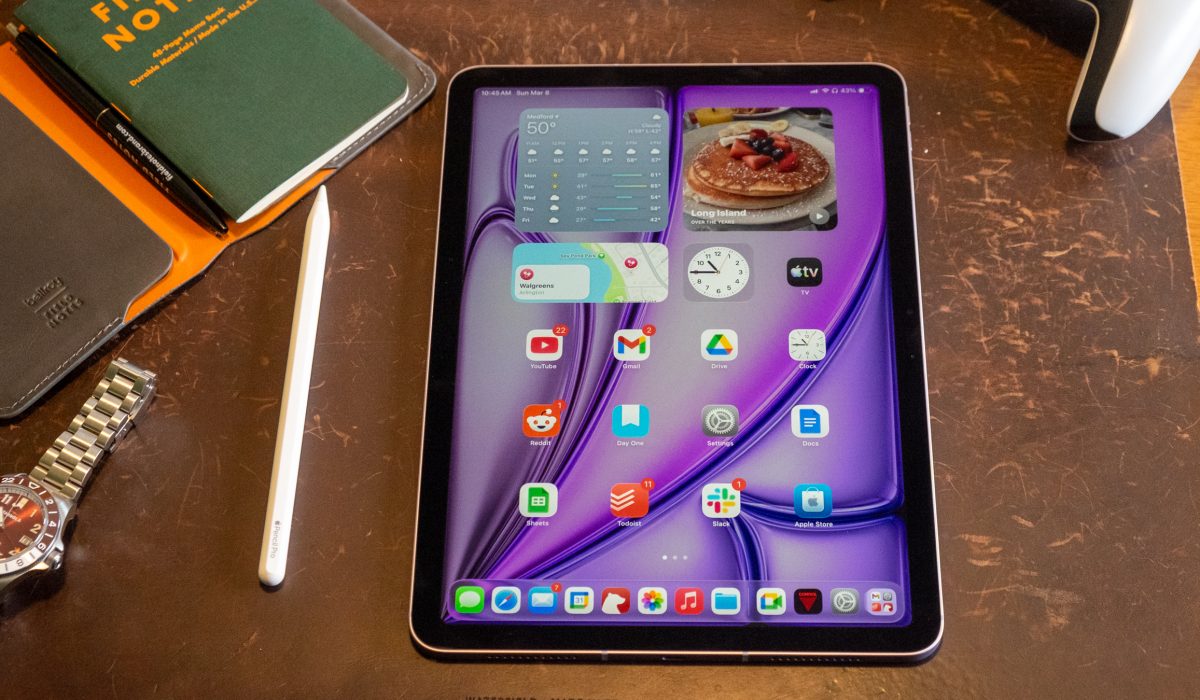
The latest iteration of Apple’s iPad Air, powered by the new M4 chip, offers solid performance improvements yet retains much of the design and features from previous generations. While it remains one of Apple’s best overall tablets, the iPad Air M4 brings only modest changes that may leave some users wanting more innovation.
The Power of the M4 Chip
The iPad Air M4 starts at $599 for the 11-inch model and $799 for the 13-inch, with configurations reaching up to $1,249 for models with 1TB storage and 5G connectivity. The new M4 processor, which also powers the latest iPad Pro models, delivers a significant boost in performance, especially in graphics processing where GPU scores jumped by 39% compared to last year’s M3 model.
This power increase translates to smooth operation across daily tasks, gaming, and generative AI applications. Even graphically demanding games like Resident Evil 2 and Control Ultimate Edition run smoothly on the iPad Air M4. For users upgrading from older iPads, the M4 chip offers a noticeable speed and efficiency gain that should extend the device’s relevance for years.
A Familiar User Experience
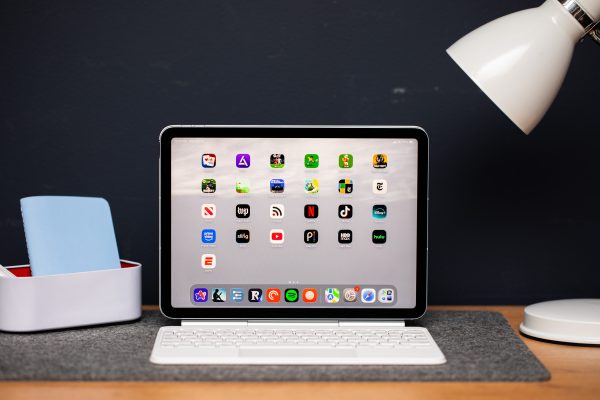
Despite the new chip, the overall experience remains similar to previous iPad Air models. The display, camera setup, battery life, and connectivity ports are unchanged, maintaining a consistent but somewhat conservative hardware profile. Accessory support continues to be a strong selling point, with compatibility for the Apple Pencil Pro and the Magic Keyboard, albeit the latter’s high price remains a concern for some users.
Battery life is adequate for most use cases, delivering between seven and eight hours of active use in heavy workflows, with longer endurance in casual scenarios. The device runs on iPadOS 26, which has enhanced multitasking capabilities and brings a more Mac-like experience that improves productivity, especially on larger screen models.
Display Limitations and Design Considerations
One of the most discussed shortcomings of the iPad Air M4 is the retention of the same LCD Retina display without the higher refresh rates or advanced screen technologies found on the iPad Pro. The omission of Face ID and a 120Hz refresh rate makes the device feel less premium compared to higher-end models, especially given that these features are expected in modern tablets.
The display remains sharp and visually pleasing but lacks the contrast and brightness enhancements available on mini-LED or OLED screens, which affects the visual impact for movies and high-end gaming. Nonetheless, for everyday tasks and typical consumption, the screen is sufficient and smooth enough for most users not comparing directly with the iPad Pro.
Networking and Connectivity Upgrades
The iPad Air M4 introduces Apple’s custom networking chips—N1 for Wi-Fi 7, Bluetooth 6, and Thread, and C1X for 5G cellular connectivity in compatible models. These updates ensure the iPad remains up to date with the latest wireless standards, contributing to faster, more reliable connections without perceptible changes to user experience beyond typical network speed improvements.
Initial testing on Verizon’s 5G network showed strong performance consistent with other recent Apple devices, supporting a seamless online experience whether streaming, gaming, or working remotely.
Final Thoughts: A Solid but Conservative Update
While the iPad Air M4 is unlikely to excite users seeking groundbreaking features, it remains an excellent choice for those wanting a performant, versatile tablet without paying the premium price of an iPad Pro. Its enhanced processing power, accessory ecosystem, and respectable battery life make it a well-rounded device for a wide audience.
Apple’s restrained approach to upgrading the iPad Air underscores its mature positioning in the product lineup, balancing cost and capability. Though not pushing technological boundaries, it effectively serves the needs of most iPad users today.