
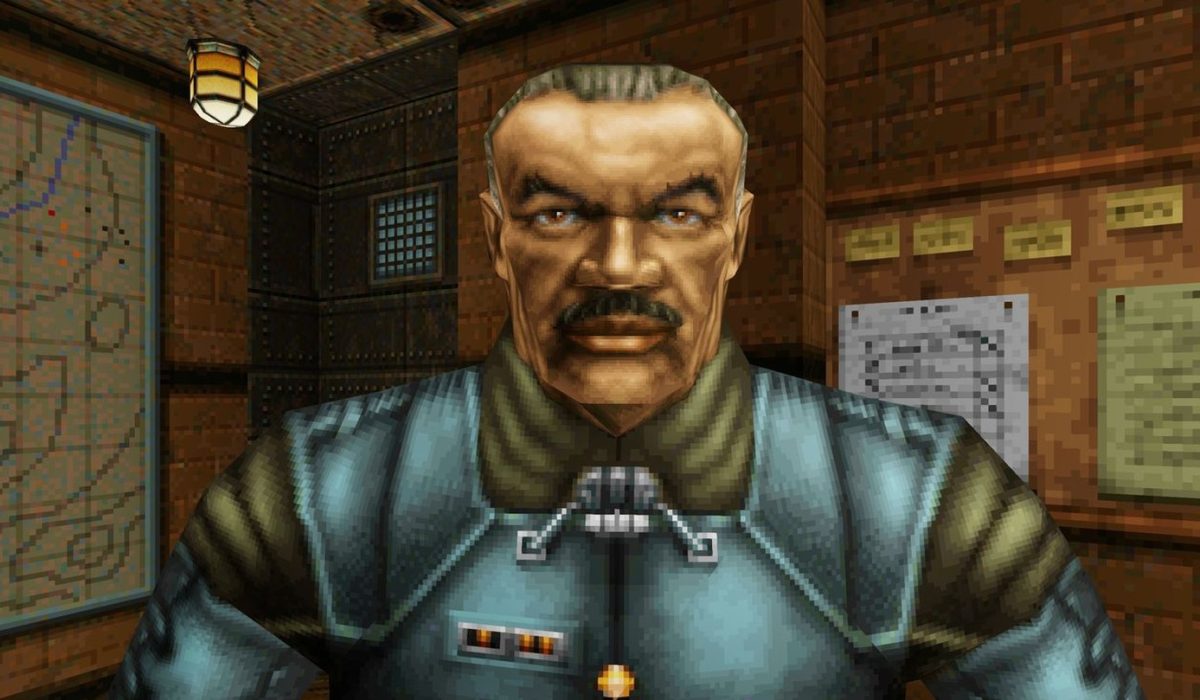
Before the rise of iconic first-person shooters like Stalker, an obscure Ukrainian game quietly pushed the boundaries of the genre. Chasm: The Rift, released in the mid-1990s, emerged as an early European contender in a market dominated by American FPS titles, innovating gameplay and technical features ahead of its time.
Origins and Development of Chasm: The Rift
Chasm: The Rift was developed by Action Forms, a Ukrainian studio, during a period when the first-person shooter market was rapidly evolving. Taking inspiration from breakthrough titles such as Quake, it sought to blend fast-paced action with atmospheric storytelling. The game’s development team aimed to create a rival to the dominant American shooters by incorporating unique design elements and a distinct Eastern European flair.
The studio faced considerable challenges, including limited resources and technological constraints typical of emerging developers from Eastern Europe in the 1990s. Despite these hurdles, Action Forms delivered a product that resonated with niche audiences who sought alternatives to mainstream FPS games of the time.
Innovative Gameplay Mechanics
Chasm: The Rift introduced several gameplay innovations that set it apart from contemporaries. Among its notable mechanics was the inclusion of complex level designs featuring vertical elements and dynamic enemy AI that demanded strategic thinking rather than mere reflex-based combat.
The game also experimented with varied weaponry and environment interaction, encouraging players to adapt to different combat scenarios. These features contributed to a gameplay experience that was both challenging and immersive, pushing the first-person shooter genre into new territory well before many later titles adopted similar ideas.
Technological Contributions
From a technical standpoint, Chasm: The Rift employed a modified engine that allowed for more detailed 3D graphics compared to some of its contemporaries. Its use of texturing techniques and lighting effects advanced the visual fidelity achievable on hardware of the era, giving players a more atmospheric and engaging experience.
Although it was not as widely recognized as its American counterparts, Chasm’s technological experimentation provided valuable lessons that influenced later Eastern European game developers. It demonstrated that innovation could flourish outside the dominant Western markets, laying groundwork for future regional game development successes.
Legacy and Influence on Later Titles
While Chasm: The Rift never achieved blockbuster status, its impact on the FPS genre is increasingly appreciated in retrospect. It helped establish foundational practices in game mechanics and design that would be echoed in later well-known titles from the region, including the highly acclaimed Stalker series.
The game also paved the way for greater visibility of Eastern European studios in the global market. Its legacy includes inspiring a generation of developers who drew confidence from Action Forms’ determination to push creative boundaries despite limitations.
Current Status and Community Interest
Though largely a nostalgic curiosity for many, Chasm: The Rift maintains a small but dedicated fanbase. Enthusiasts and preservationists continue to explore and celebrate the game’s contributions to FPS history through online discussions and archival projects.
Modern players interested in the evolution of first-person shooters can find value in revisiting Chasm for its historical context and unique gameplay elements. It stands as a testament to innovation emerging from unexpected origins during a formative era for the genre.