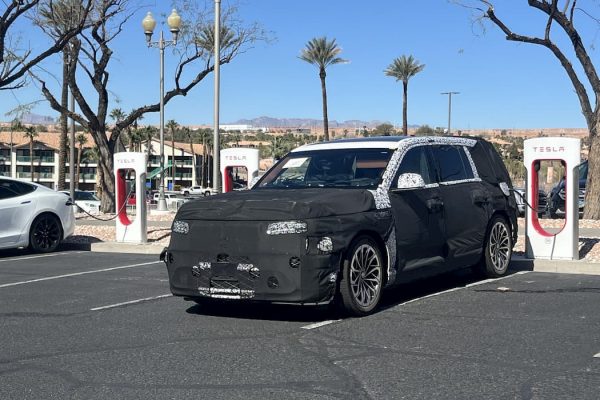

Chevrolet has relaunched the Bolt for 2027, focusing on improvements such as faster charging capabilities, updated infotainment technology, and the introduction of a new lithium iron phosphate (LFP) battery. This revamped electric vehicle aims to maintain its appeal while integrating modern enhancements.
Faster Charging Technology
The 2027 Bolt is equipped with upgraded charging hardware that significantly reduces charging time. This advancement aims to enhance convenience for owners, enabling shorter stops at charging stations and making the vehicle more practical for daily use and longer trips. The faster charging capability addresses one of the critical concerns among EV consumers, improving overall driving experience.
By boosting the charging speed, Chevrolet competes more effectively within the electric vehicle market, where rapid charging has become an essential feature for attracting new buyers. The new system allows the Bolt to regain energy swiftly, reducing wait times at compatible charging points.
Modern Infotainment System
Alongside mechanical improvements, the 2027 model sports a modernized infotainment system. The updated interface offers enhanced connectivity options, a larger touchscreen display, and supportive features such as wireless Apple CarPlay and Android Auto. These additions aim to meet the expectations of tech-savvy customers seeking seamless integration between their devices and vehicle systems.
The improvements in infotainment are designed to provide a more intuitive and user-friendly experience, promoting safety and convenience. Additionally, the system supports over-the-air updates, ensuring the software remains current throughout the vehicle’s lifespan.
Introduction of Lithium Iron Phosphate Battery
The 2027 Bolt introduces a lithium iron phosphate (LFP) battery chemistry, a shift from previous lithium-ion options. LFP batteries are known for their enhanced thermal stability and longer cycle life, contributing to improved durability and safety. This choice reflects Chevrolet’s strategy to balance performance with reliability and cost-efficiency.
While LFP batteries typically offer a slightly lower energy density compared to conventional lithium-ion cells, they provide a sustainable and safer alternative suited for mass-market electric vehicles. This battery update supports Chevrolet’s goal of producing affordable and practical EVs that appeal to a broad audience.
Retention of Bolt’s Core Design and Charm
Despite these technological upgrades, the 2027 Bolt retains much of the original model’s design and practical appeal. Chevrolet has preserved the compact, efficient form factor that initially attracted a wide range of consumers looking for an accessible electric vehicle option. The renewed Bolt blends familiarity with innovation to maintain its market position.
This approach helps the brand appeal to loyal Bolt enthusiasts while also attracting new buyers who are interested in contemporary EV features without sacrificing familiarity. Maintaining the Bolt’s signature attributes supports Chevrolet’s strategy to sustain its EV lineup’s growth.
Market Position and Future Outlook
With these enhancements, Chevrolet positions the Bolt as a competitive choice in the expanding electric vehicle market. The 2027 model caters to current trends emphasizing fast charging, improved user interfaces, and battery safety. Its relaunch coincides with increasing consumer interest in affordable electric vehicles that do not compromise functionality or technology.
The Bolt’s reintroduction with these key updates may influence competitor strategies and reshape expectations for compact electric vehicles in the near future. Chevrolet’s commitment to iterative innovation suggests continued investment in the EV sector.