
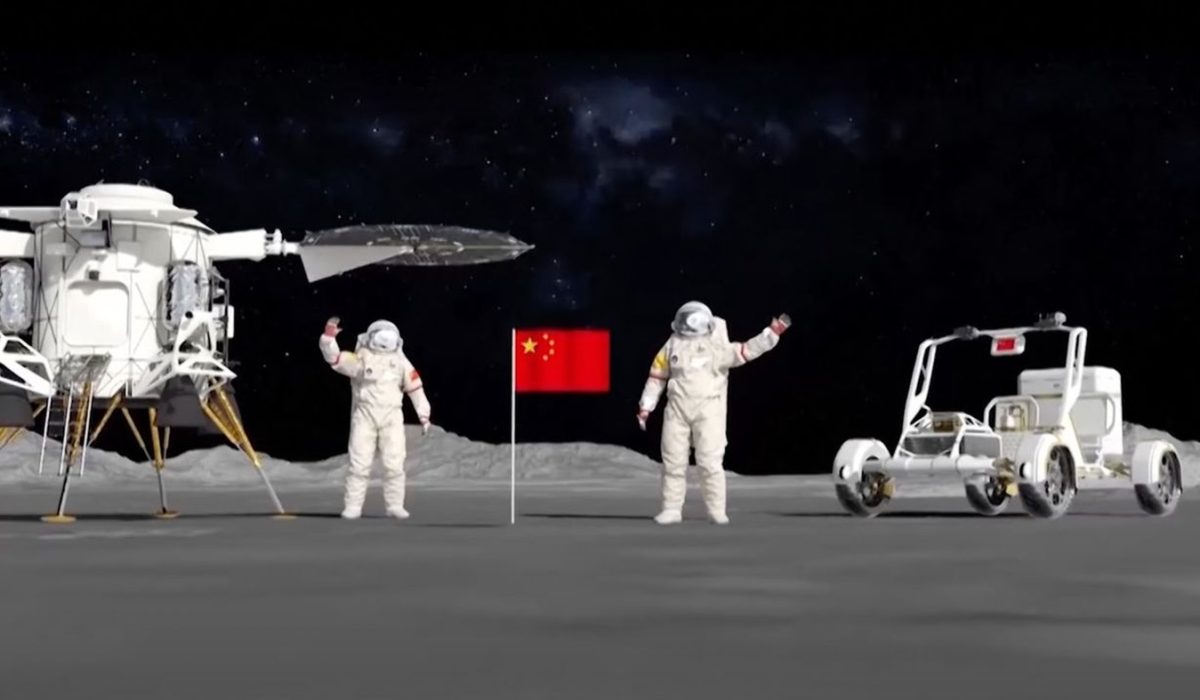
China is planning its first crewed moon landing mission by 2030, with recent research highlighting the volcanic Rimae Bode region on the lunar near side as a prime candidate for exploration. This region, described as a “geological museum,” offers valuable insights into the moon’s volcanic history and surface composition.
Scientific Significance of the Rimae Bode Region
The Rimae Bode area is known for its extensive volcanic features such as rilles and lava channels, which provide researchers with a rare opportunity to study the moon’s geological past. These structures have been relatively unexplored by previous missions, and investigating them could help answer fundamental questions about the moon’s volcanic activity and formation.
By focusing on this region, scientists hope to gain detailed information about the moon’s thermal evolution and the processes that shaped its surface over billions of years. Samples collected from volcanic deposits would offer vital clues about the composition and history of lunar magma.
China’s Lunar Exploration Ambitions
China has been steadily advancing its space exploration capabilities, with a growing emphasis on lunar missions. The country’s space agency aims to send astronauts to the moon within the next decade, furthering its goal of establishing a sustained presence on the lunar surface.
The selection of Rimae Bode as a landing site underscores the scientific priorities of China’s lunar program. It complements previous robotic missions that mapped and analyzed the moon’s terrain, providing critical data for crewed mission planning and surface operations.
Technical Challenges and Mission Planning
Landing in the Rimae Bode region poses several technical challenges due to its rugged volcanic terrain. The mission will require precise navigation and landing technologies to ensure astronaut safety and successful surface operations.
Engineering teams are also tasked with designing habitats and equipment capable of withstanding the lunar environment, including extreme temperature variations and radiation exposure. This planning will be crucial for the mission’s duration and objectives.
Potential Scientific Outcomes and Broader Implications
Success in the Rimae Bode region could yield a wealth of scientific data that extends beyond lunar studies. Understanding volcanic processes on the moon can provide analogs for similar phenomena on other terrestrial planets.
Moreover, this mission would mark a significant milestone for China’s space exploration endeavors, potentially paving the way for international collaboration and future deep-space missions. It also contributes to humanity’s broader goal of establishing a sustainable presence beyond Earth.