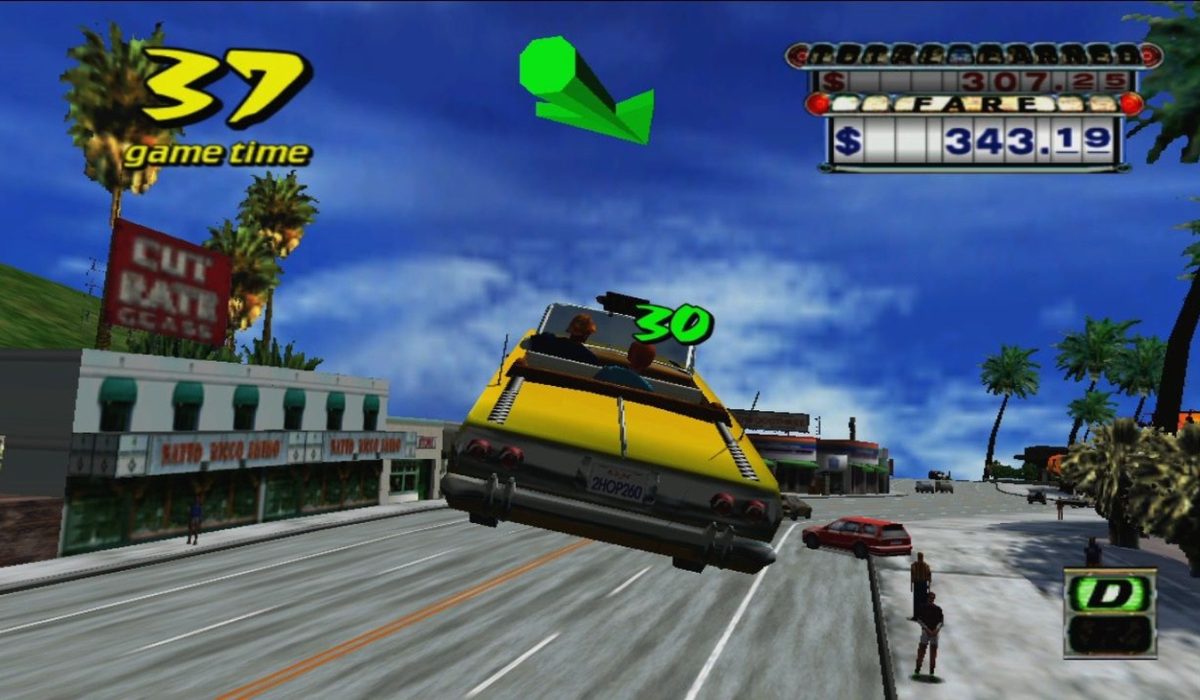
A dedicated coder has transformed the iconic cityscapes of Crazy Taxi, originally from the Dreamcast era, into fully explorable environments accessible directly through web browsers, reviving the classic game’s urban playgrounds in a fresh and interactive way.
Project Origins and Motivation
The initiative began as a personal challenge during a winter period described as “winter madness,” where the developer sought to engage with nostalgic gaming content in a new format. Inspired by the unique design and lively spirit of Crazy Taxi’s cityscapes, the coder set out to recreate these environments with modern web technologies to allow broader access and exploration.
By choosing web browsers as the platform, the project aims to make the experience widely available without the need for traditional gaming hardware, appealing to fans of the original game and newcomers alike.
Technical Implementation
The developer employed contemporary web graphics libraries and frameworks, likely combining WebGL and JavaScript, to render the detailed 3D environments of the original game. This approach enables smooth navigation and interaction within the cityscapes, replicating the feel of the original game’s urban zones.
Efforts were made to faithfully recreate the aesthetic and structural elements of Crazy Taxi’s environments, emphasizing accuracy and immersion while optimizing performance for browser compatibility and user experience.
Gameplay and Exploration Features
While the original Crazy Taxi focused on fast-paced arcade driving and taxi missions, this browser adaptation primarily emphasizes exploration, allowing users to freely roam the cityscapes. This shift provides a new way to appreciate the game’s detailed urban design without the pressure of gameplay objectives.
Users can navigate iconic areas and landmarks featured in Crazy Taxi, gaining a fresh perspective on the layout and atmosphere that made the game memorable, effectively turning nostalgic gaming into an interactive urban tour.
Community Reception and Impact
The project has resonated with gaming enthusiasts, particularly those with fond memories of the Dreamcast period, sparking interest and nostalgia. It also illustrates the potential of browser-based experiences to preserve and reinterpret classic video games for contemporary audiences.
This kind of innovative retro-gaming approach could inspire other developers to explore similar browser-based recreations, blending nostalgia with modern technology to extend the life and reach of classic titles.