A recent paleontological discovery of a tiny, long-armed dinosaur has challenged existing theories on how miniaturization evolved in certain dinosaur lineages. The findings suggest that a reduction in body size preceded shifts in dietary habits for these small dinosaurs.
Introduction to the Tiny Dinosaur Discovery
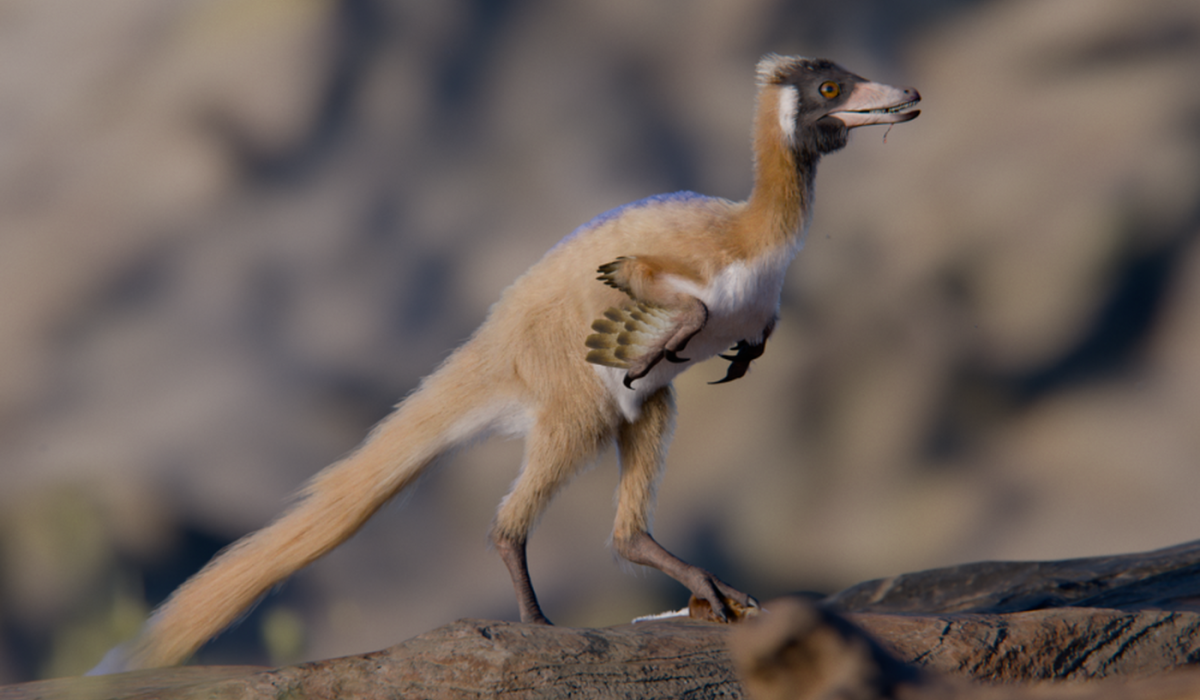
Scientists have identified a new species of dinosaur notable for its small size and disproportionately long arms. This specimen provides new insight into the evolutionary processes that led to reduced body sizes among some theropods, a group that famously includes birds and their closest dinosaur relatives.
The discovery was made based on fossil remains exhibiting unique anatomical features that differ from those of previously studied small dinosaurs. These distinctions have prompted researchers to reevaluate assumptions about how diet and body size adaptations occurred during dinosaur evolution.
Implications for Understanding Dinosaur Miniaturization
Traditional views suggested that dietary changes, such as shifting to a more herbivorous or insectivorous diet, drove size reduction in certain dinosaur clades. However, this newly found dinosaur indicates that body size reduction likely occurred first, potentially allowing for new dietary possibilities later in their evolutionary history.
The long arms of the dinosaur might represent specialized adaptations related to feeding or locomotion, which were made possible by its small stature. This sequence of adaptations challenges the linear models that linked diet changes directly to miniaturization.
Evolutionary Context and Comparative Anatomy
The small size of this dinosaur places it among some of the smallest theropods discovered to date. Researchers are examining the skeletal structure, especially the limb proportions, to understand its ecological niche and functional anatomy.
Comparisons with both larger theropods and other small-bodied species suggest that evolutionary miniaturization was a complex process with multiple contributing factors, including environmental pressures and reproductive strategies, in addition to diet and morphology.
Significance for Paleontological Research
This discovery emphasizes the importance of small-bodied dinosaur species in reconstructing evolutionary pathways. It highlights the need to reconsider fossil samples that may have been underestimated in their evolutionary impact due to their size.
The new findings also underscore the broader significance of fossil diversity in understanding how dinosaurs adapted to their environments over millions of years, including shifts in ecological roles and behaviors.
Future Directions for Study
Further paleontological exploration and detailed morphological analyses are underway to better document the life habits and evolutionary relationships of this dinosaur. Advances in imaging and biomechanical modeling will aid in reconstructing the dinosaur’s movement and feeding strategies.
Researchers hope to identify additional fossil samples that can shed light on the timing and sequence of miniaturization and dietary shifts, refining the evolutionary narrative of dinosaur diversity and adaptation.