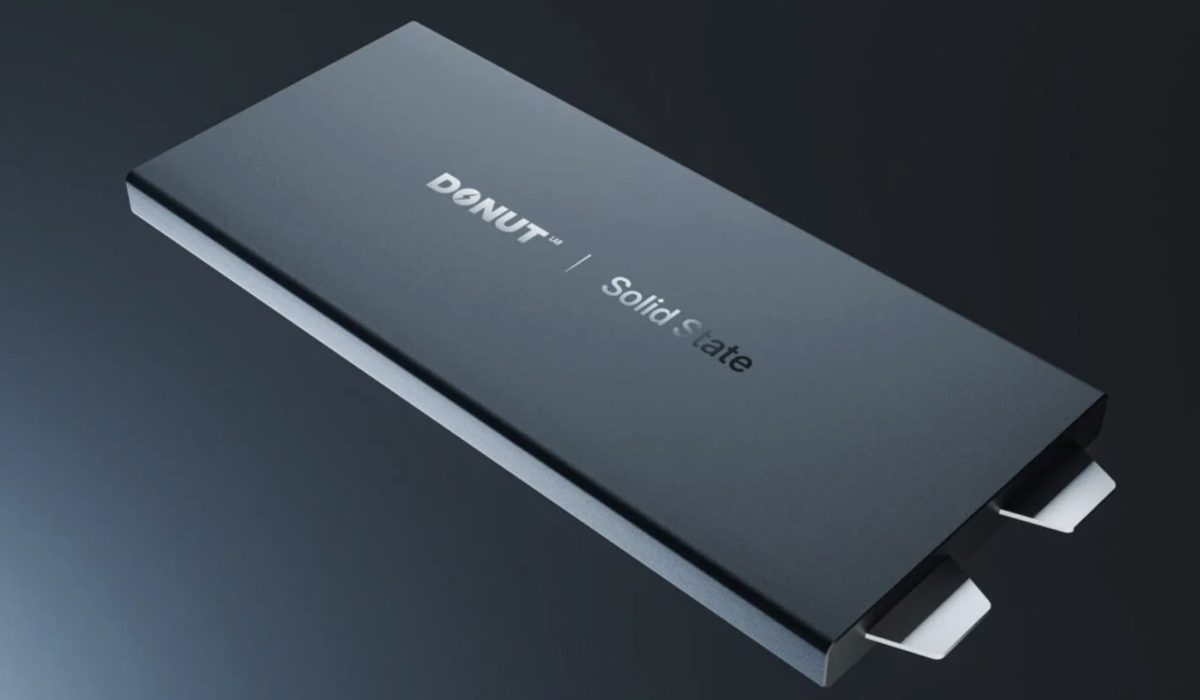
Donut Lab has shared new independent testing results highlighting the impressive self-discharge performance of its solid-state battery, retaining 97.7% of its charged capacity after 10 days of idle storage. This report adds to a growing body of verification for the battery’s promising attributes.
Overview of the Latest Test Report
The recent evaluation was conducted by VTT, the Finnish Technical Research Centre, known for its rigorous testing capabilities in advanced materials and battery technologies. The test report (VTT-CR-00125-26) specifically measured the battery’s self-discharge over a 10-day period, a key metric for real-world applications where intermittent usage is common.
Retention of 97.7% capacity after such a duration is notable in the solid-state battery space, which often struggles with balancing energy density and longevity.
Significance of Low Self-Discharge
Self-discharge represents the natural loss of charge when a battery is not connected to a load, and lower rates improve overall battery efficiency and shelf life. This characteristic is especially important for consumer electronics, electric vehicles, and energy storage systems where long-term reliability is critical.
Donut Lab’s demonstration of minimal self-discharge strengthens the battery’s appeal for applications demanding steady power availability after periods of inactivity.
Context Within Previous Independent Tests
This is the third independent report to validate aspects of Donut Lab’s solid-state battery technology. Previous tests have addressed energy density and charging speed, positioning the battery as a competitive solution in the evolving landscape.
Notwithstanding these positive results, the company’s two most extraordinary claims remain to be independently tested, highlighting ongoing verification efforts needed to confirm the battery’s full potential.
Industry Implications and Future Outlook
The performance improvements confirmed by these tests mark an important step toward commercialization of solid-state batteries, which promise safer, denser, and longer-lasting energy storage than current lithium-ion technologies. Solid-state technology is a focal point of innovation among battery makers worldwide.
Further independent testing and scaling efforts will be needed to evaluate the technology’s viability in automotive and consumer sectors, where durability and cost are critical factors.
Conclusion
Donut Lab’s latest validation of low self-discharge provides encouraging evidence of solid-state battery advancements, aligning with market demand for improved battery performance. Continued independent verification will be essential to build trust and enable broader adoption of this emerging technology.